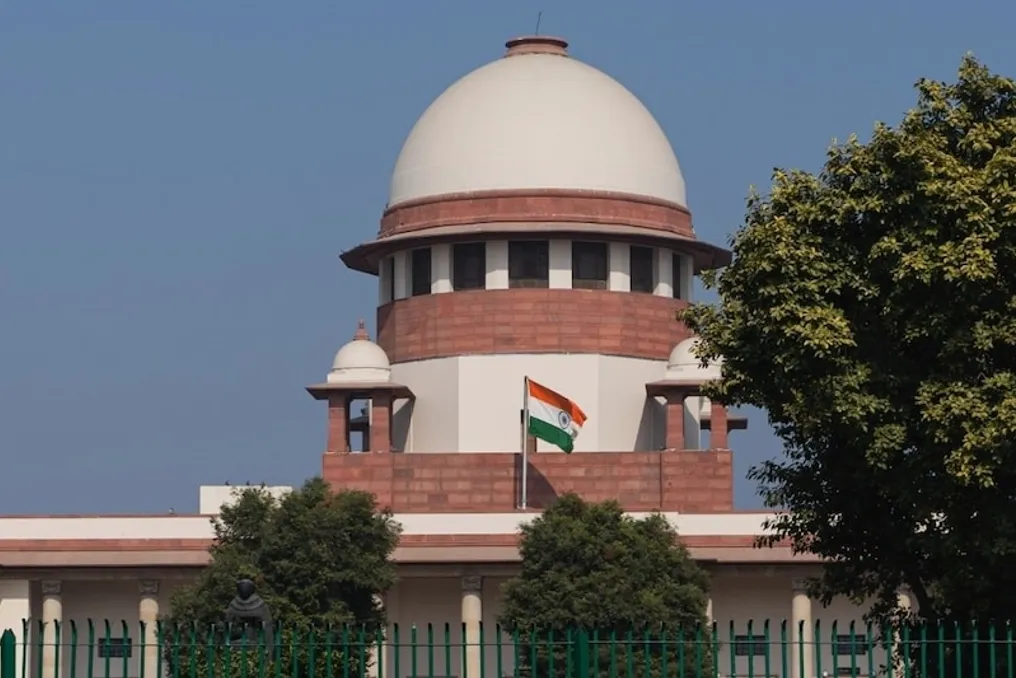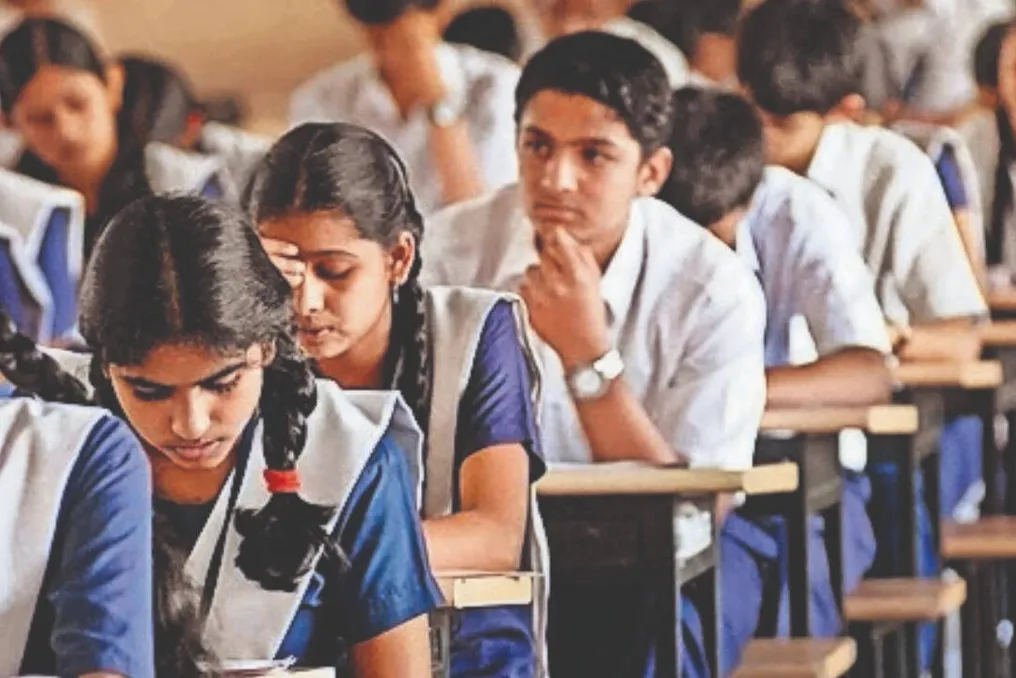
The Supreme Court (SC) criticized the Central Board of Secondary Education (CBSE) on Thursday for its persistent decision to implement a trilingual policy for sixth-grade students this year. The Court compelled CBSE to reconsider its decision, issuing a clear directive in the form of a recommendation to introduce the policy starting from the next academic year.
Previously, CBSE had decided to apply the trilingual policy to all classes from sixth to tenth, requiring students to choose three languages, two of which must be indigenous. Upon the request of the Supreme Court, CBSE reviewed its decision and agreed to apply the policy from the sixth grade this year; however, students in grades seven through ten will continue to follow the old rules.
The Court demanded that CBSE review the possibility of exempting sixth-grade students from this policy in the current year. The bench, comprising Justice Suri Kant and Justices Joymal Bagchi and Vi Mohana, heard several petitions challenging this trilingual policy. These petitions also raised issues regarding the inadequacy of textbooks, the lack of local subject teachers, and infrastructure.
When Additional Solicitor Aishwarya Bati informed the bench that CBSE was unwilling to exempt the sixth grade this year, arguing that 'sixth-grade students still have three years until the tenth-grade exam,' the bench responded: 'Your cohort decided that this should be introduced from the sixth grade without considering the comfort of the sixth-grade students to whom you suddenly imposed this requirement.'
The Court ruled: 'When the notification introducing the policy was issued, the student was already in the sixth grade. Go back and reconsider. In any case, the academic year will end in a few months. You are introducing this for sixth-grade students from the 2027-28 academic year.'
Bati agreed to withdraw the decision for reconsideration. The bench emphasized that exempting sixth-grade students from the policy this year would not harm CBSE's right to uphold this policy. The Court noted: 'The exception relates exclusively to aspects of logistics and balance of convenience.'
Furthermore, the SC stated that there are more contentious issues regarding what can be considered an indigenous language (petitioners argue that English should be considered such, while the Centre objects), which will be resolved later. The Court added that 'there must be a certain degree of comfort for the students. Those who enter the sixth grade next year should know in advance that they will have to choose languages according to the trilingual policy. You can also make it optional for sixth-grade students if there are adequate incentives so that those who wish to comply with the policy can do so.' Further hearings on the matter were scheduled for Wednesday.