Globally, 361 thousand babies are born daily, resulting in 132 million new mothers annually. The process of pregnancy, childbirth, and breastfeeding imposes a radical transformation on the human body. During pregnancy, the uterus can increase from 10 milliliters to 5 liters, an increase of 500 times, accompanied by intense hormonal changes, with hormone levels reaching 200 to 300 times higher.
In addition to internal changes, physical modifications occur such as decreased bone density and ligament stretching, while stress tolerance and facial expression interpretation ability improve. The individual becomes a chimeric creature, as fetal DNA may remain in maternal organs even after the mother's death.
Since the 1970s, the term 'matrescence' has described the physical, psychological, and social transformations of pregnancy and the beginning of motherhood, comparable to adolescence due to its duration and significance. However, until the mid-2010s, there was little understanding of the mental changes during this period, as psychiatry and psychoanalysis largely neglected the impact of pregnancy on the female mind and body.
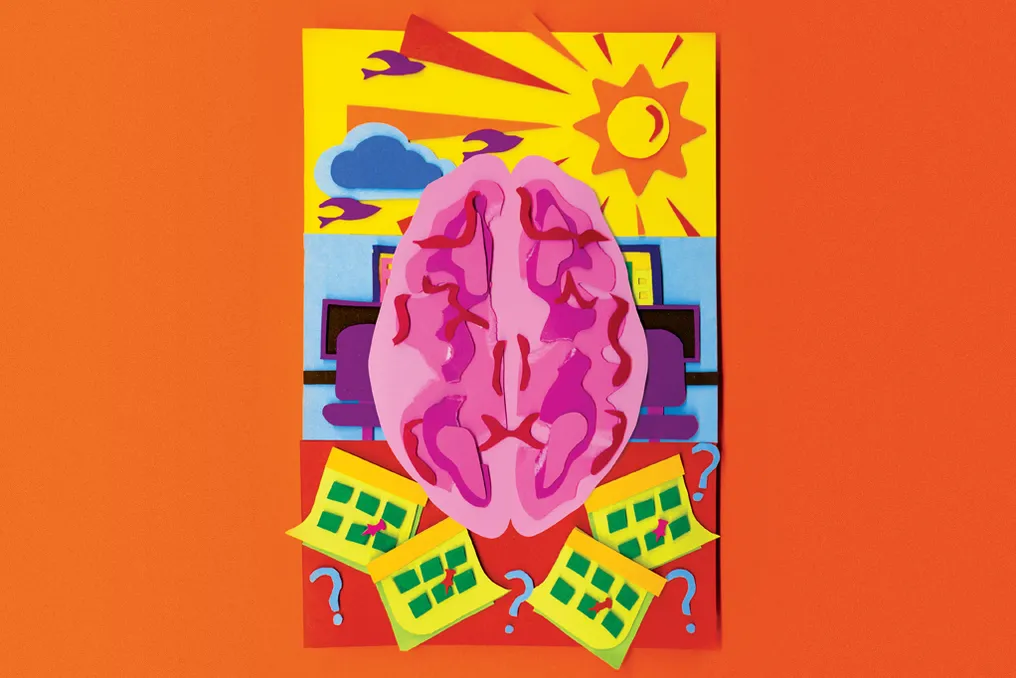
Recently, science has elucidated phenomena such as 'baby brain,' a state of mental confusion linked to the loss of gray matter volume during pregnancy. Research from the Be Mother project at the Autonomous University of Barcelona indicates that amnesia and brain fog are neural adjustments, similar to adolescent pruning, aimed at making the mother more attentive and responsive. A 2022 study on neuroplasticity demonstrated that memory and learning capacity can even improve during pregnancy.
Irreversible brain changes and physical consequences of childbirth, such as those in the pelvic floor, can persist for decades, as can psychological adaptations. Added to this is fragmented sleep, which is proven to be detrimental to overall well-being and cognition. This journey of matrescence presents significant risks to mental health: 1 in 5 women faces problems during pregnancy or the first year postpartum, and in Brazil, the Oswaldo Cruz Foundation points out that 1 in 4 suffers from such issues. Women with a history of mental disorders have their chances increased fivefold.
Part of the problem lies in the idealization of motherhood, socially constructed since the late 17th century. Valeska Zanello, a professor at the University of Brasília (UnB), argues that the notion of 'maternal instinct' is a social construct. She warns that the more a woman romanticizes the motherhood portrayed by advertising, the higher the probability of developing psychological disorders when confronting reality.