A survey conducted by Autoglass, a company specializing in automotive glass and parts, identified the three vehicle groups that present the greatest difficulty in replacement in Brazil, including Chinese models.
This mapping was carried out using the company's database and its intelligent inventory system, which analyzes demand history, regional fleet profile, supplier supply, and the chance of substitution by model and year. In some situations, the waiting time can exceed 90 days, and the repair cost can become prohibitive.
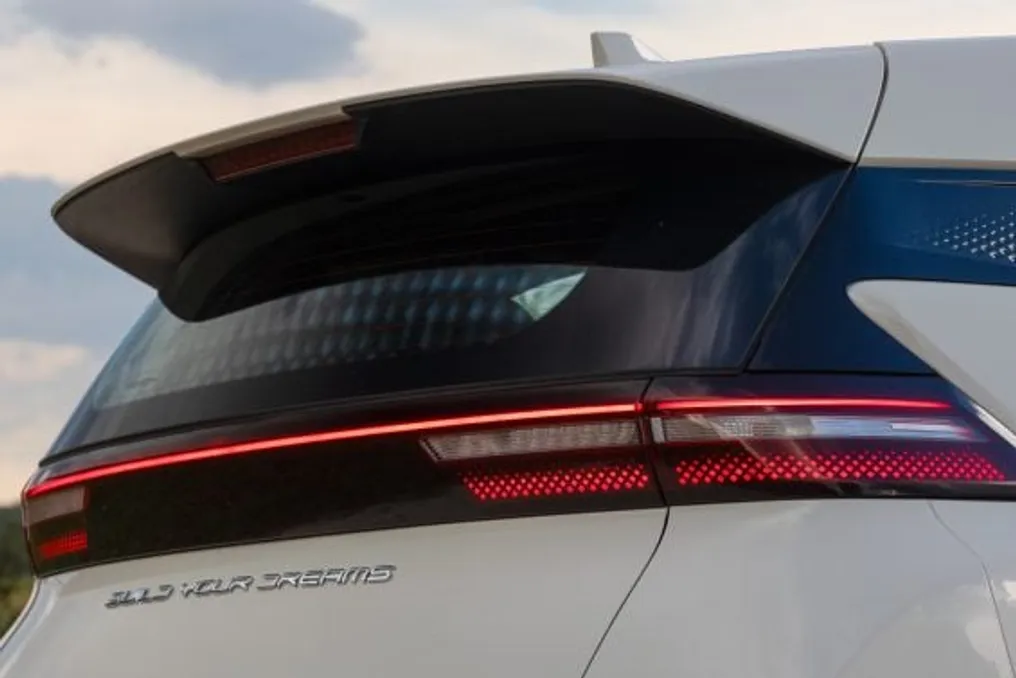
The difficulty found in some cases is related to the rapid expansion of the brands and the still incomplete consolidation of the local supply network. Vehicles such as MG4, Denza B5, and Geely EX5 face hurdles in acquiring glass, either due to restricted supply or the need to correctly identify the parts, since many require specific adaptations for the Brazilian market.
The BYD Shark pickup presents a distinct challenge: its format has little relevance in the Chinese market, where pickups are subject to circulation restrictions in large urban centers, which ends up limiting the supply of its components.
It is notable the contrast between these replacement difficulties and sales volume; from January to August this year, Chinese brands were responsible for 17.8% of passenger car and light commercial vehicle registrations, according to Fenabrave data.
Another problematic group includes vehicles discontinued more than ten years ago, which depend on remaining stock, remanufacturing processes, or custom import, making repair times uncertain and increasing costs. This category includes the Fiat Punto (manufactured between 2008 and 2012) and the Fiat Doblò (2010 to 2021), along with earlier generations of the Volkswagen Polo (2007 to 2015) and Golf (2008 to 2014), whose difficulties are concentrated in lighting components.
Additionally, classics such as Chevrolet Kadett, Monza, and Chevette are part of this scenario. The trend is an increase in this group, given that the average age of vehicles in circulation in the country reached 11 years in 2025, and the average age of cars, 11 years and five months, according to the Sindipeças circulating fleet report.
The most extreme cases of replacement difficulty involve high-end vehicles, such as the Ferrari SF90 Spider, Lamborghini Huracán LP 580-2, and Maserati Levante GT. In these cases, parts often need to be imported and depend on a single authorized dealership in the national territory, significantly prolonging the waiting time.
Luxury sports and utility models, such as the Porsche Cayenne S Coupé and 911 GT3, are also on this list, featuring components that may take between 60 and 90 days to arrive in Brazil.