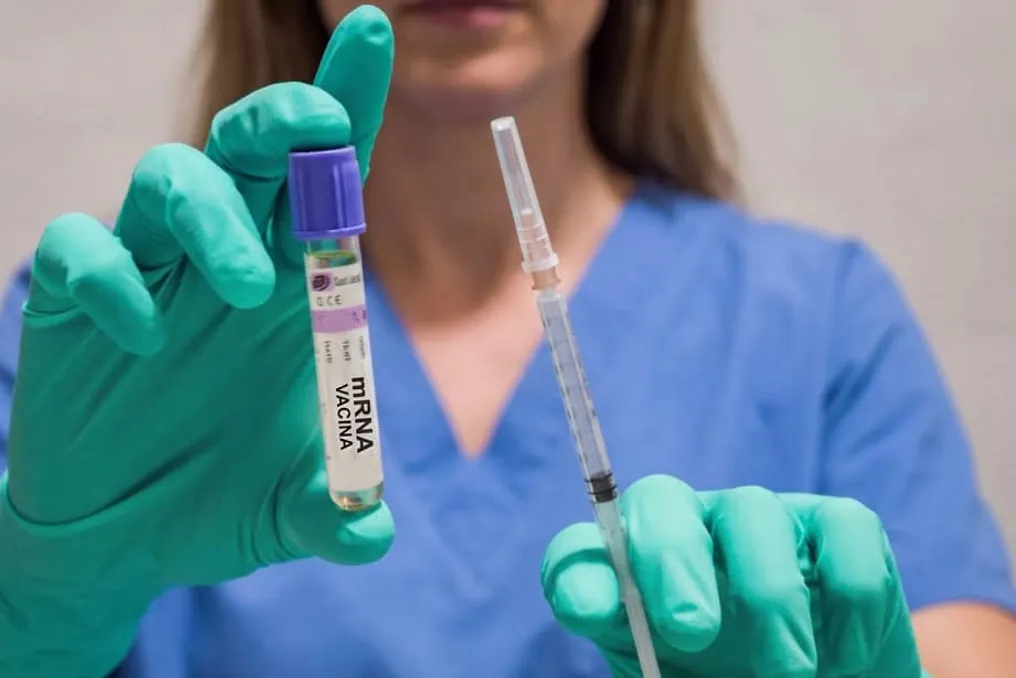
Several innovations have profoundly changed the global healthcare system, but vaccines developed using messenger RNA (mRNA) technology have had the most significant impact. The scientific discovery that is now saving millions of people was initially met with widespread skepticism and was close to being forgotten.
The unusual path to these advanced immunizers demonstrates how an idea that seemed hopeless managed to overcome skepticism and become one of medicine's greatest hopes. In the 1980s, Hungarian biochemist Katalin Karikó noticed the enormous therapeutic potential of mRNA. This molecule functions in the body as a temporary genetic template, directing the human body's own cells to produce specific proteins.
However, the scientific community at the time rejected this concept, believing that synthetic RNA was too unstable and caused severe inflammation. Despite the disbelief of her colleagues, Karikó persistently continued her research throughout the 1990s at the University of Pennsylvania in the USA. Her insistence on defending a concept considered unpromising resulted in high losses: she was repeatedly denied funding, lost laboratory space, and was demoted in the academic hierarchy.
The project's fate changed drastically when Karikó began a crucial collaboration with American physician and immunologist Drew Weissman. In 2005, this pair published a revolutionary finding that redefined molecular biology. By chemically modifying one of the nitrogenous bases of RNA—uridine—they were able to completely eliminate the unwanted inflammatory response. This modification allowed for safe instruction of cells.
Even after this historical achievement, the pharmaceutical market and large global corporations largely ignored the invention because its commercial application was viewed as a financially risky and uncertain investment. The situation changed sharply only in early 2020 when the world faced the global Covid-19 pandemic, and giants Pfizer and Moderna revived the vaccine creation method.
The use of this technological platform allowed for the development and testing of highly effective and safe immunizers in record time. According to estimates published in the authoritative scientific journal The Lancet, Covid-19 vaccines saved nearly 20 million human lives in the first year of their mass application worldwide. The method allowed the immune system to be trained at an unprecedented speed.
Recognition of Achievements
Three decades of painstaking work, which were ignored and marginalized by traditional institutions, culminated in the highest recognition from the scientific community. In 2023, as reported by Olhar Digital, Katalin Karikó and Drew Weissman received the Nobel Prize in Physiology or Medicine. The Swedish committee noted the decisive contribution of the modifications to nucleoside bases, which made it possible to create effective RNA vaccines during the health crisis.
How the Technology Works
In an interview with Olhar Digital, molecular biology and genetics specialist Waren Pereira Piedade, a professor at the Faculty of Medicine of the University of São Paulo (FMBRU-USP) and former postdoctoral fellow at Harvard Medical School (HMS) in the USA, explained that in practice, the vaccine platform acts as instructions directed at the cells. He explained: 'The vaccine enters our cells and teaches them to produce a small piece of the virus, the 'viral protein'—sometimes it is not the whole protein, but just a part of it. It transfers this genetic instruction to the cell so that it can produce this viral protein, which is then detected by the immune system cells. They see this foreign protein, recognize it as an invader, and produce antibodies and memory cells that remember these proteins as harmful. When the virus actually infects us, it has these proteins on its surface, so these cells detect and destroy the virus.'
The geneticist dispels any concerns about the safety of the technology, emphasizing that it is biologically impossible for these vaccines to alter human genetic code or cause diseases. The professor clarifies that messenger RNA lacks a cellular signalizer to penetrate the nucleus (the DNA repository), remaining confined to the cytoplasm until degradation.
Furthermore, the immunizer does not contain living or infectious parts of the virus, using only the instruction for an isolated protein. 'They undergo rigorous clinical trials and regulatory control in all countries. In our case, it is Anvisa, in the United States—the FDA. They have been tested on different populations, at different times, at different ages, under different conditions, so they are extremely safe.'
Advantages and Prospects
Among the main advantages of the method compared to traditional vaccines, Piedade highlights versatility and production speed. While older technologies require long-term virus cultivation in the lab, the RNA platform is entirely synthetic. 'It is planned on a computer, then the equipment produces this sequence, and we assemble the vaccine. Thus, I can quickly, within weeks, change this sequence on the computer and start synthesizing new messenger RNAs,' he explains.
Beyond its direct impact on fighting coronavirus, the technology developed by Karikó and Weissman has opened up numerous new possibilities in modern medicine. Piedade notes the incredible versatility of the solution against multiple infectious agents. 'Almost all viruses that cause us diseases, we can take particles and use them to train our body to fight them,' states the researcher, pointing out that the technique applies to influenza, dengue fever, rabies, HIV, and Zika.
At the forefront of science today, specialists are working on developing personalized therapeutic vaccines against various types of cancer, as well as new treatments for rare genetic diseases, autoimmune disorders, and complex viral infections. Piedade emphasizes that in cancer treatment, biopsies can map the patient's specific tumor proteins to create a personalized vaccine. This allows the body's own immune system to begin identifying and destroying cancer cells, reducing the risk of metastasis. 'These therapeutic vaccines are already being tested for various types of cancer; it is not just planning; testing is already underway.'
Brazil is also moving in this direction. National projects conducted by institutions such as Fiocruz and the Federal University of Minas Gerais (UFMG) have already applied to the National Health Surveillance Agency (Anvisa) for approval of Phase I clinical trials. However, Piedade reminds that the path to industrial scaling and availability in the National Health System (SUS) still requires time, as strict completion of Phases 2 and 3 trials is necessary.
The story of Karikó and Weissman teaches a fundamental lesson about funding basic scientific research and the importance of supporting controversial ideas. Messenger RNA technology, a breakthrough that almost perished due to academic bureaucracy, has become a central pillar of planetary health protection.