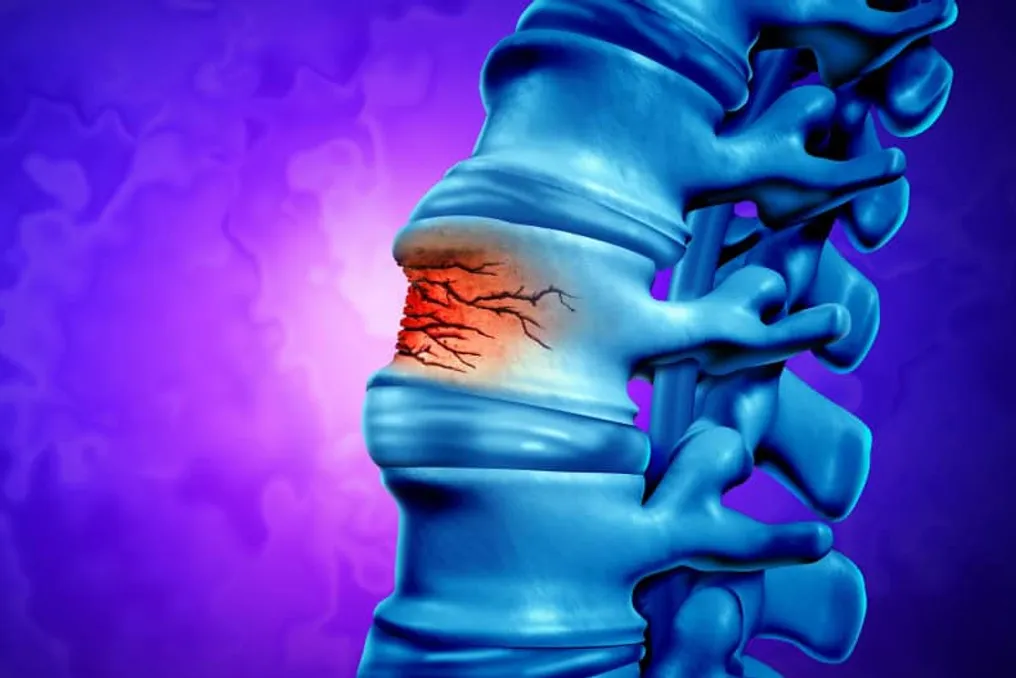
The Cristália laboratory will begin the first clinical trial of polyLaminine in humans on September 24. The first phase of the study will include five participants with complete spinal cord injury, and the initial goal is to test the safety of this substance.
The study was approved by Anvisa in January and will be conducted at Hospital das Clínicas and Santa Casa de Misericórdia in São Paulo. Volunteers must be between 18 and 72 years old and have sustained an injury no more than 72 hours before the start.
The study is designed for patients who are already candidates for surgery and who have a complete spinal cord injury in the thoracic region. A crucial factor is the time between the injury and the administration of the substance; the injury must not have occurred more than 72 hours ago.
To find suitable patients within the specified time frame, SAMU must assist with referrals to the two participating hospitals. This initial phase does not aim to demonstrate whether polyLaminine restores movement. At this stage, researchers will primarily focus on assessing the safety of the drug candidate. Only after obtaining positive results can the study proceed to larger-scale investigations.
The substance itself is being studied for cases of acute spinal cord injury that occur immediately after trauma. It is proposed to be applied directly at the site of injury to stimulate nerves to create new pathways and restore some movement.
Additional Information
The spinal cord functions as a connection between the brain and the rest of the body, transmitting commands to muscles and back information such as pain, temperature, and touch. Injury can disrupt this communication.
Before the clinical trials began, the research team led by Tatiana Sampaio conducted a preliminary study involving eight patients. The participants showed various levels of motor recovery, but the results did not allow for a conclusion regarding the effectiveness of polyLaminine.
The study with eight patients must be interpreted cautiously, as the group was small and included individuals with varying degrees of severity of injury. The results subsequently underwent peer review and were published after this process.
There are also other important limitations: depending on the data obtained, the development program may move to Phases 2 and 3, which are designed to assess efficacy in a larger number of participants.
Rogério Almeida, Vice President of Research, Development, and Innovation at Cristália, noted in his statement that the company is working 'in full compliance with Anvisa and all involved partners, always with one goal: protecting patients and generating reliable scientific evidence of safety and efficacy.'
The start of human trials marks a new stage in research, but it does not yet allow us to assert that polyLaminine can restore movement. The answer to this question will depend on the results of future studies.