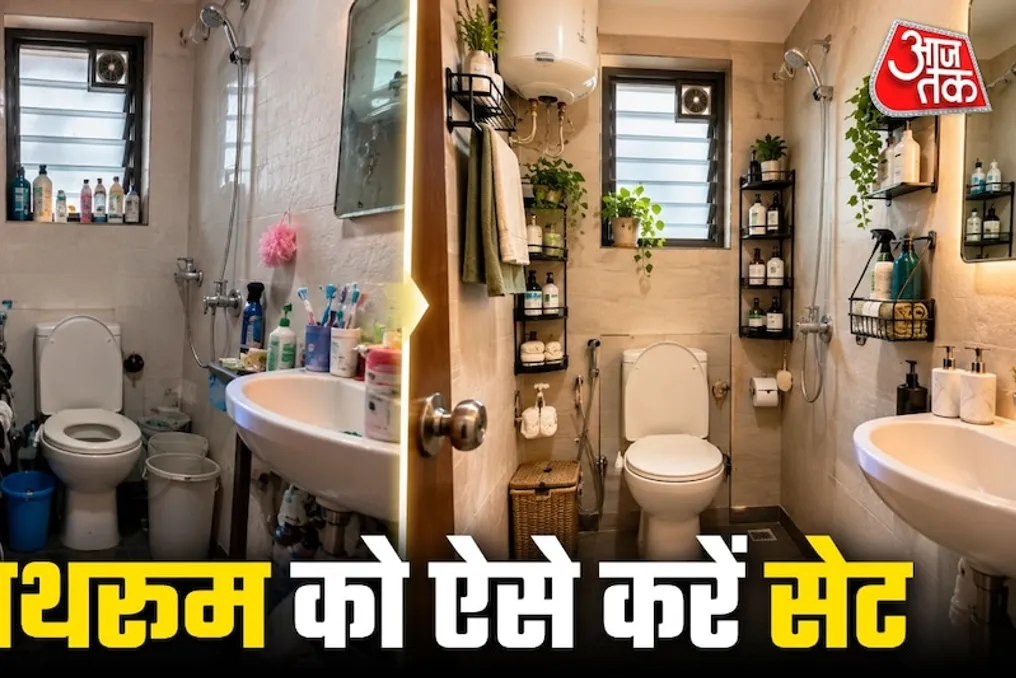
How to furnish a small bathroom in a rented apartment without drilling or renovation
Read more
Aaj Tak
www.aajtak.in

How to furnish a small bathroom in a rented apartment without drilling or renovation

Bathrooms in rental apartments often have limited space, which makes it difficult to accommodate large appliances, such as water heaters, alongside other hygiene items. Furthermore, due to landlord restrictions, major renovations or installing heavy fixtures on the walls are usually not possible.

However, by using smart planning, compact technologies, and clever storage solutions, it is possible not only to ensure hot water in a small bathroom but also to make it look visually more spacious, clean, and bright.

To install a water heater, you should choose instant or portable water heaters instead of large storage models with a capacity of 15–25 liters. Instead, instant heaters with a capacity of 3 liters or special faucet heaters are suitable. These devices take up little space, do not impede movement, and provide quick access to hot water from just one electrical outlet.

You can also utilize unused vertical corners. If there is an empty high wall next to the sink or door, a compact horizontal or slim-design water heater can be installed there. Placing the heater high on the wall frees up space below for use.

To visually enlarge the bathroom, it is recommended to forgo dark curtains and baskets in favor of light shades, such as white or milky. Adding a large mirror to the bathroom helps reflect light, making the small room brighter and more voluminous.

For storing shampoos, soap, and toothbrushes, instead of taking up space on the floor or near the sink, you can use suction cup wall holders and adhesive shelves. This allows items to be placed in the air, leaving the floor completely clear.

Instead of traditional bulky plastic tanks, foldable silicone containers should be used, which can be compressed and hung on the wall after use. Special hangers that attach over the door can be used for hanging towels and clothes.
Similar stories

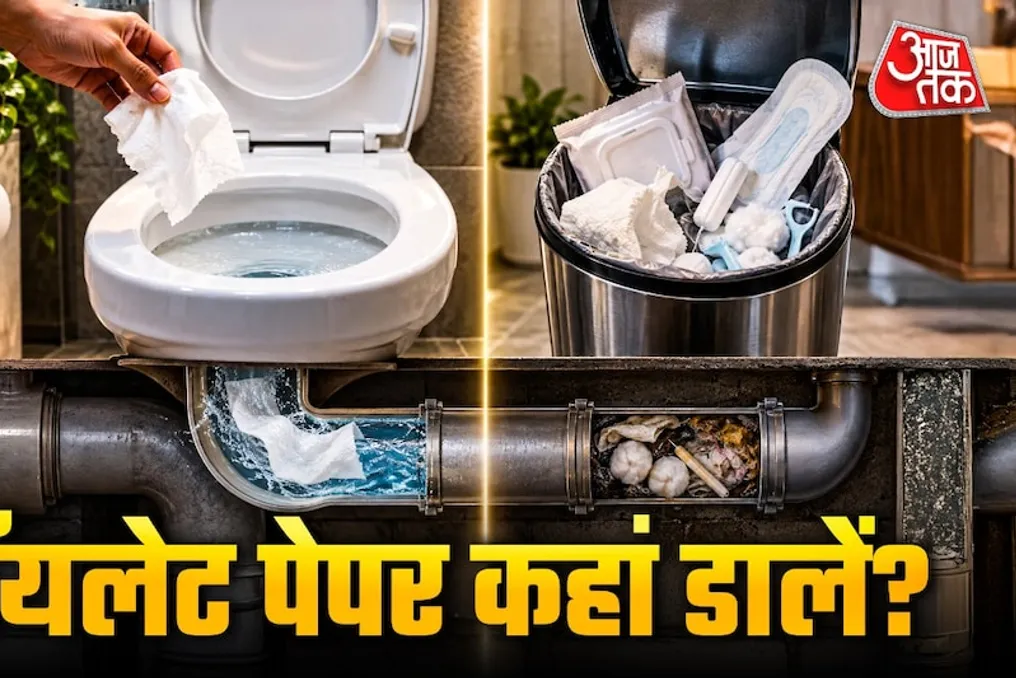
How to properly dispose of toilet paper: flush it down the toilet or throw it in the bin?
Read more
www.aajtak.in

How to properly dispose of toilet paper: flush it down the toilet or throw it in the bin?

In modern homes, similar to hotels and restaurants, toilet paper is often found near the toilet, mirror, and sink. However, the question arises: should used toilet paper be flushed down the toilet or thrown in the trash can? Knowing this simple rule is crucial because improper disposal can cause problems with the sewage system and may be considered a hygiene violation.

Some people are accustomed to flushing paper without thinking, while others prefer to put it in the bin. The answer to the correct method depends not on a universal rule, but on the condition of your plumbing, the sewage system, and the quality of the paper itself.

If your home is connected to a modern sewage system and the pipes are in good condition, toilet paper can be flushed. Toilet paper is manufactured in such a way that it quickly disintegrates upon contact with water compared to other paper products.

Flushing used paper instead of leaving it in the trash can helps reduce the risk of odors, contact with dirt, and attracting insects.

If the piping in the house is old, the toilet frequently clogs, or the drainage system could be affected by toilet paper, constant flushing is not the best solution. Similarly, in homes with septic tanks or small drainage systems, the decision must be made considering their capacity and maintenance level.

If the water starts rising or the pipes clog when flushing, it is better to refrain from forced flushing and use a closed trash can.

If used toilet paper lies in an open trash can for a long time, it can lead to unpleasant odors in the bathroom. In hot and humid conditions, dirty paper promotes bacterial growth and increases insect populations.

Therefore, in homes where flushing paper does not cause problems in the sewage system, flushing used paper is considered a cleaner option than accumulating it in the trash can.

Many people mistakenly flush not only toilet paper but also other paper products. It is important to understand that toilet paper and various wipes or paper products cannot be considered homogenous. Specifically, wet wipes, diapers, sanitary pads, tampons, panty liners, cotton wool, dental floss, thick napkins, and paper towels must not be flushed down the toilet because they do not dissolve in water as quickly as toilet paper and can cause pipe blockages.

Even with a functioning sewage system, flushing excessive amounts of toilet paper at once is not recommended. A large amount of paper can accumulate in the pipes and trigger a blockage. If the water rises above normal after flushing, drains slowly, a gurgling sound is heard from the pipes, or there is a constant smell in the bathroom, this is a sign of a drainage problem. In such cases, it is better to flush the paper in portions rather than a large amount all at once.

Thus, if your sewage system functions correctly, the pipes are fine, and regular toilet paper dissolves easily, flushing is usually an acceptable option. However, if the house has old pipes, a small septic tank, a toilet that frequently clogs, or a weak drainage system, you need to assess the condition of your system before flushing toilet paper.

How to make a small rented room look more spacious using furniture and organization
Read more
www.aajtak.in

How to make a small rented room look more spacious using furniture and organization

Residents of rented accommodation often face the problem of limited space and a large number of belongings. When placing a bed, wardrobes, and everyday items in a small room, it quickly looks cluttered and messy. Furthermore, because it is rental housing, people are often afraid to drill into the walls or make permanent changes.

However, with the right interior design and smart organizational tricks, it is possible not only to keep a small room in perfect order but also to make it look visually more spacious and airy.

For walls in a small room, light shades such as cream, light gray, or pastel tones are best, as they reflect light and visually expand the space. It is also recommended to use long, light curtains made of fabrics like chiffon or linen that hang from ceiling to floor to create a sense of greater room height.

It is important to utilize vertical space instead of taking up floor space. For storage, you can use adhesive hooks that do not damage the surface or hangers that attach to the door. This allows you to easily hang bags, coats, and small items, keeping the floor clear.

You should choose multifunctional furniture that performs several tasks. Examples include a hydraulic bed with built-in storage, a storage ottoman bench, and a folding desk that can be folded away when not in use.

The space under the bed should be used wisely: instead of piling things there, flat storage containers or wheeled baskets should be used. In them, you can hide off-season clothing, spare sheets, or shoes, which will help keep the room tidy.

The magical use of mirrors also plays a big role. Placing a large or medium decorative mirror on one of the walls scatters light throughout the room, creating an optical illusion that makes even a small space seem twice as big and brighter.

Popular