US pressure on countries purchasing crude oil from Russia has reached a new level. The US House of Representatives passed the 'Lindsey O. Graham Sanctioning Russia and Iran Act of 2026' by a vote of 262 to 159. This legislative act allows the US presidential administration to impose tariffs of up to 100% on India and China for purchasing Russian oil.
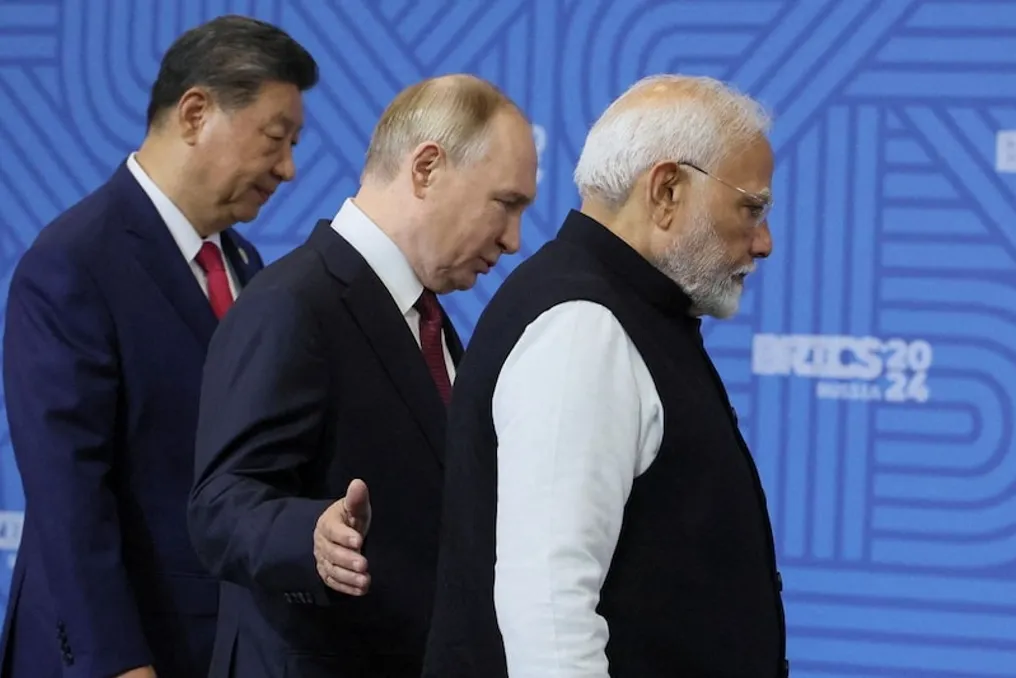
The three key countries affected by this law—India, China, and Russia—reacted sharply. India stated that ensuring the energy security of its citizens is its highest priority. Beijing labeled this American move as a 'long-term jurisdiction' lacking approval from international law or the UN Security Council. Russia, in turn, characterized it as an 'unfriendly' step.
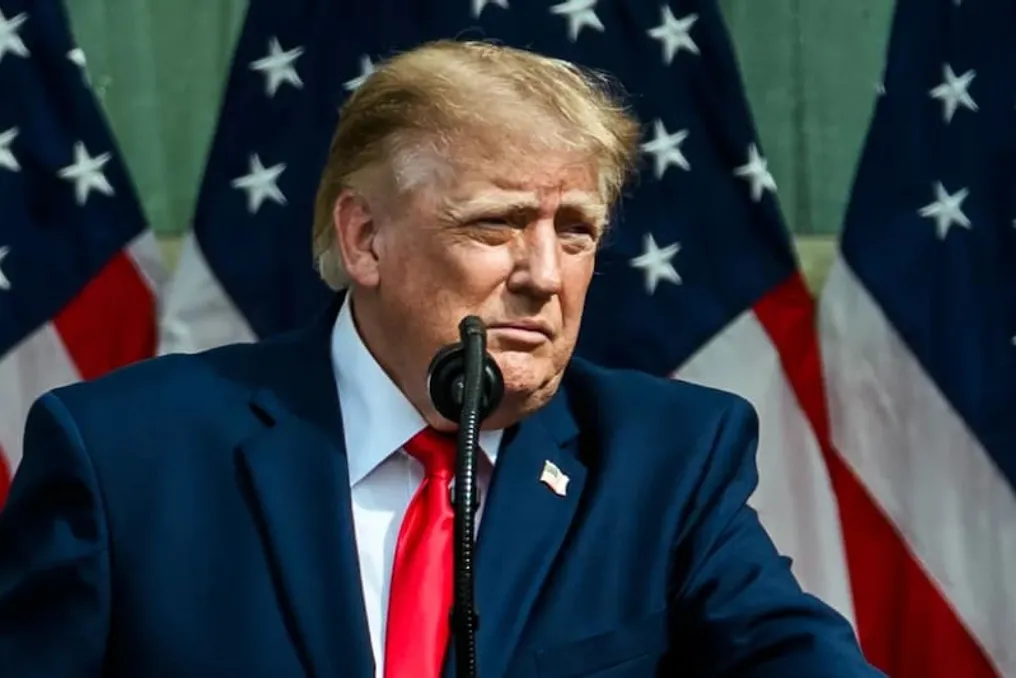
Thus, all three nations demonstrated that they do not intend to submit to American pressure. The bill passed by the House of Representatives grants President Donald Trump the authority to introduce new sanctions against the Russian energy and defense economy, as well as to impose tariffs of up to 100% on major countries purchasing oil or gas from Russia. The Senate already approved this bill in August by a margin of 86 to 11, and now the decision rests with Trump's signature.
India gave a clear and decisive response to the law passed in the US. The Ministry of Foreign Affairs stated its commitment to ensuring energy security for its 1.4 billion residents and will continue to purchase energy from various sources depending on changing market conditions. The Ministry also noted that high-level talks took place in recent months with US officials, during which India clearly outlined its positions regarding bilateral relations and potential influence on the global energy market.
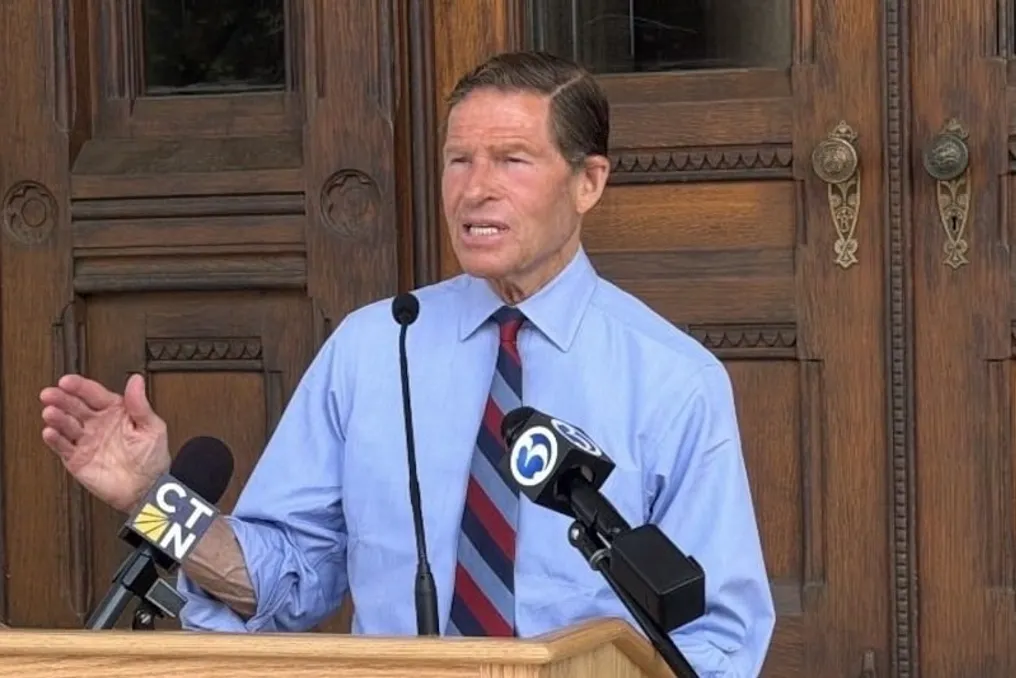
India's Ambassador to the US, Vineet Mohan Kwatra, further clarified India's position in his post on X. He emphasized that India's primary priority is the welfare of its citizens. Kwatra wrote that decisions are made based on availability, acceptable prices, market conditions, and commercial viability.
The ambassador addressed the US with a clear message, noting that their purchases reflect a fundamental national obligation—to ensure sufficient, affordable, and uninterrupted energy supply for its people, extending beyond its own borders. He also pointed out that India is one of the world's fastest-growing major economies and the third-largest energy consumer. Despite this, the average energy consumption per Indian citizen is less than a third of the global average and only one-tenth of the American average. India's needs will grow and must grow.
According to the ambassador, reliable and accessible supplies enable the operation of homes, farms, hospitals, schools, factories, and transport, thereby supporting livelihoods and fostering development. It should be noted that, according to the Global Trade Research Initiative analytical center, in the fiscal year ending in March, India imported $40.8 billion worth of Russian crude oil, accounting for about 30.3% of its total crude oil imports.
China called on the US to recall global legal norms. Chinese Foreign Ministry spokesperson Guo Jiakun stated that China conducts trade with other countries based on mutual benefit and equality, and no third party should interfere or exert pressure on this cooperation. Beijing viewed the American move as a 'long-term jurisdiction' that lacks basis in international law or a resolution from the UN Security Council.
Beijing indicated that it does not intend to change its usual trade relations with Russia under pressure from third parties. Guo Jiakun, defending trade ties with Russia, stressed that the goal of such cooperation is not to target any third party, and it will be free from interference or pressure from third parties. China opposes long-term jurisdiction and unilateral restrictions that lack a basis in international law and do not possess UNSC authority.
According to official data, China's imports of oil and gas from Russia last year amounted to $64 billion, and from January to August of the current year, this volume exceeded $70 billion.
Moscow also reacted to the US actions. Kremlin spokesman Dmitry Peskov stated that the introduction of new American restrictions could complicate ongoing efforts to resolve the Ukrainian conflict. Russia classified the American sanctions as 'unfriendly' actions. The Kremlin believes that additional restrictions will not ease, but rather complicate, attempts to reach a peace agreement.
Russian Foreign Minister Lavrov noted that America's so-called tariff diplomacy is applied when someone tries to achieve something, and America immediately imposes tariffs—that is their diplomacy.
Currently, the attention of India, Russia, and China is focused on US President Trump, as the final decision on the tariff issue remains with him.