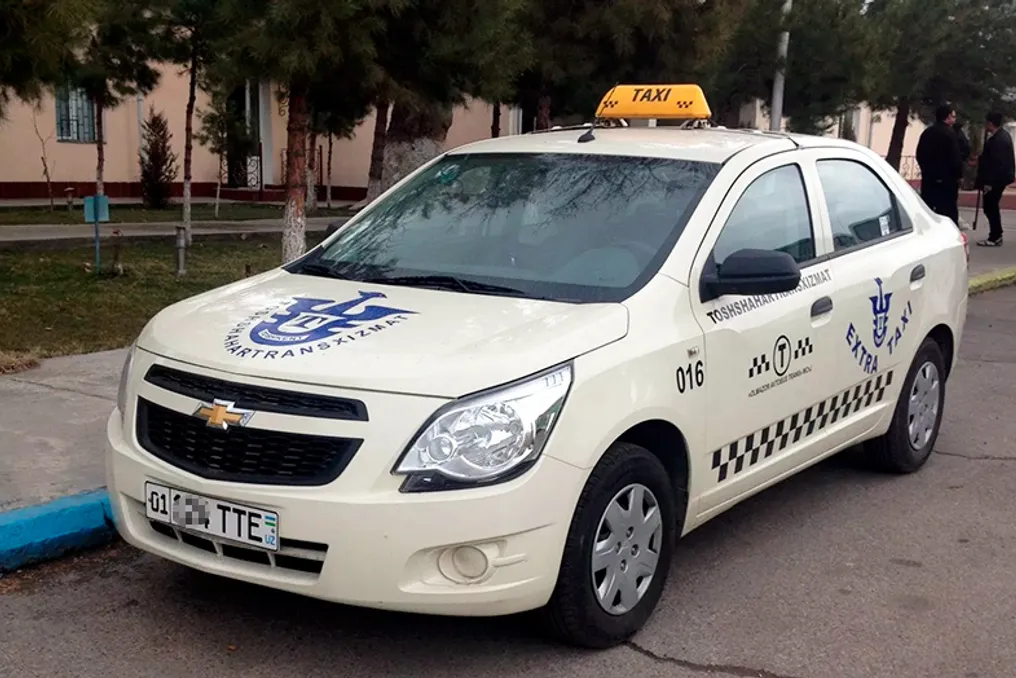
Import volume of passenger cars into Uzbekistan for January-July 2026 exceeded $920 million
Read more
Podrobno.uz [uz]
podrobno.uz

Import volume of passenger cars into Uzbekistan for January-July 2026 exceeded $920 million

From January to July 2026, 65,876 passenger cars were imported into Uzbekistan from 29 different countries. The total value of this import reached $920.4 million USD.

Import Details

According to the National Committee on Statistics, electric vehicles accounted for a significant share of the imported vehicles, with 46,749 units arriving. Gasoline-powered cars numbered 10,987, while hybrid models totaled 8,77 units; the remaining types of passenger cars were imported in quantity of 63.

Main Suppliers

China was the main supplier of passenger cars to the republic, exporting 63,039 vehicles during the reporting period. Other leading suppliers include the USA, which supplied 765 units, the Republic of Korea with 737 units, and Japan, which provided 345 cars. A total of 990 passenger cars were delivered to Uzbekistan from other countries.

Similar stories

Car sales volume in Uzbekistan in August exceeded July figures but lags behind 2025 levels
Read more
podrobno.uz

Car sales volume in Uzbekistan in August exceeded July figures but lags behind 2025 levels

In August, 37,798 cars were sold in Uzbekistan. This figure showed a growth of 20.4% compared to July, but it was 17.2% lower than in the same period last year. For the period from January to August, the volume of passenger car sales approached the mark of 250 thousand units, which is 5.9% less than in the corresponding period of 2025.

Sales dynamics and market leaders

According to information provided by the Automobile Business Association of Uzbekistan via Podrobno.uz, the market leader in August was the Chevrolet brand, accounting for about 28 thousand sales. It was followed by BYD with over four thousand units sold, Kia with 2.7 thousand, HAVAL with 878, and CHERY with 732. Growth in sales of the Nevo and Geely brands was also noted, amounting to 210 and 201 cars, respectively.

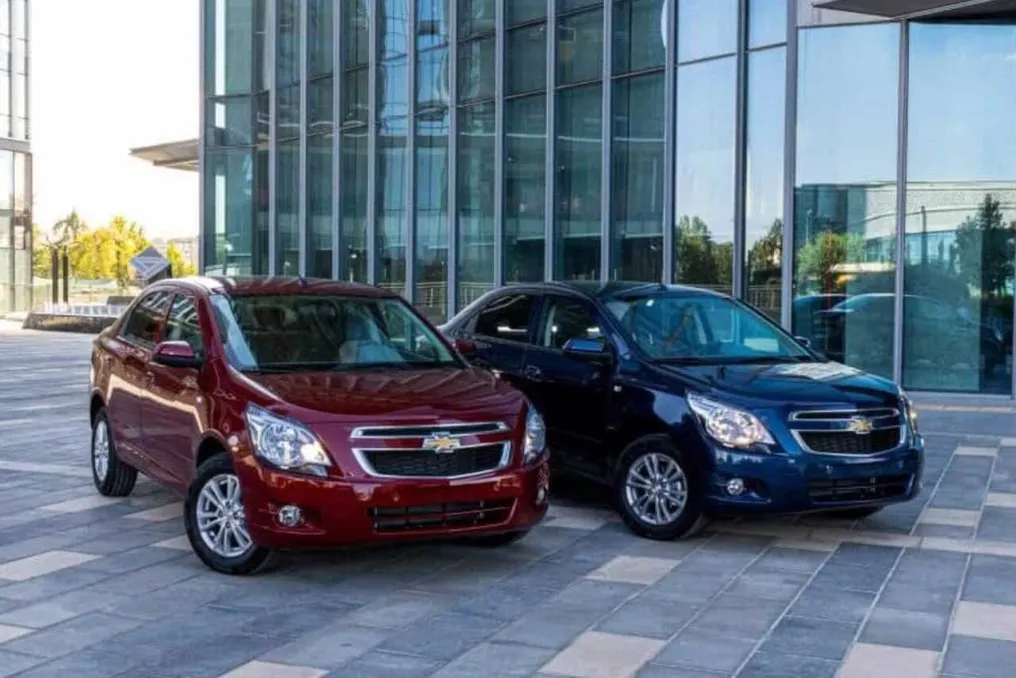
The most popular model in August was the Chevrolet Cobalt. In this month, buyers purchased over 12 thousand such cars, which is significantly more than the less than six thousand in July. Thus, sales of this model more than doubled, accounting for 32.3% of the total market volume.

Consumer demand shows uneven changes depending on the car class. Sales in segments A and B, as well as in larger categories E/F, minivans, and light commercial vehicles, decreased compared to last year. At the same time, there is a trend towards choosing crossovers and more spacious models. Sales growth was recorded in the SUV-E, SUV-D, SUV-C segments, as well as among C-class sedans. Premium SUVs showed the most noticeable positive dynamic, with sales increasing almost threefold.

The August sales growth coincides with an increase in domestic car production. The National Committee on Statistics reported that from January to July, 263.7 thousand passenger cars were produced in Uzbekistan, which is 9.4% higher than the figure for the same period in 2025. Among manufacturers, UzAuto Motors led with 185.8 thousand cars, ADM Jizzakh with 27.7 thousand, and BYD with 17.8 thousand cars.

It should be noted that in July, the Uzbek car market maintained a high level of activity, selling almost 80 thousand cars. In July, the increase in sales of new cars and electric vehicles was particularly noticeable, with demand rising by 10.8%.

Most in-demand cars in the taxi sector in Uzbekistan determined for the first eight months of 2026
Read more
podrobno.uz

Most in-demand cars in the taxi sector in Uzbekistan determined for the first eight months of 2026

Based on data analysis for the period from January to August 2026, the most popular car models in the passenger transport sector were identified in Uzbekistan, where 242 taxi aggregators are integrated with tax authority information systems.

During this period, passengers made 329 million trips, and the total income from taxi services exceeded 7.2 trillion soms. A significant portion of payments was in cash—4.5 trillion soms, accounting for 63.1% of the total amount, while 2.6 trillion soms (36.9%) were paid electronically. The average cost of one trip reached 21,785.5 soms.

Approximately 481.1 thousand self-employed drivers operate in the passenger transport sector through aggregators, including 4,107 women. Income analysis showed that over 7.9 thousand drivers earned more than 100 million soms per year. Furthermore, 31.5 thousand people earned between 50 and 100 million soms, and 124.4 thousand carriers earned between 10 and 50 million soms.

The distribution of income among drivers was also diverse: 59.9 thousand drivers reported an income of 5 to 10 million soms, 123.6 thousand reported an income of 1 to 5 million soms, and 133.7 thousand drivers earned less than 1 million soms.

Among the models that proved most in-demand by carriers, Cobalt leads with a 27% share, Nexia with 19.3%, and Lacetti with 16.1%. The share of electric vehicles in the total fleet was 2.5%. Regarding the age of the fleet, cars aged 3 to 5 years constitute the largest share at 37.1%, while 29.2% of the vehicle fleet is older than 10 years.

Over the eight months of 2026, taxi aggregators contributed 149.2 billion soms in taxes to the budget, of which 46.8 billion soms was VAT.

Changes in the Taxi Market in Uzbekistan: Data for January-August 2026
Read more
gazeta.uz

Changes in the Taxi Market in Uzbekistan: Data for January-August 2026

The Tax Committee of Uzbekistan has published a report on the functioning of the taxi market for the period from January to August 2026. According to the data presented, 242 taxi aggregators are integrated into the tax authorities' information systems. This significantly exceeds the figures from previous years: in the summer of 2024, there were 142, by the end of 2024—155, and by the end of 2025—224.

Over these eight months, 329.04 million trips were completed through these aggregators. The total turnover from taxi services exceeded 7.2 trillion UZS. The payment structure showed that 63.1% of the turnover, or 4.5 trillion UZS, was received in cash, while the remaining 36.9%, or 2.6 trillion UZS, was paid electronically.

A significant growth in the share of non-cash payments is noted: in 2024, this indicator was 23.7%, whereas by the end of 2025, it reached 27.8%. The average price per trip increased from 18,456 UZS in 2024 to slightly over 20 thousand UZS in 2025, and for the analyzed period in 2026, it amounted to 21,785.5 UZS.

Information on Drivers and Their Income

Passengers are transported via aggregators by 481.1 thousand self-employed drivers, and 593 legal entities are also registered in the system. At the beginning of the current year, the number of self-employed drivers was about 574.6 thousand. Among the drivers, there are 4,107 female drivers, which is fewer than at the beginning of the year when there were 4,726.

The distribution of driver incomes is as follows: over 7,900 people earned more than 100 million UZS; 31.5 thousand earned between 50 and 100 million UZS; 124.4 thousand earned between 10 and 50 million UZS; 59.9 thousand earned between 5 and 10 million UZS; 123.6 thousand earned between 1 and 5 million UZS; and 133.7 thousand drivers earned up to 1 million UZS. The Tax Committee previously indicated that not all registered self-employed individuals are constantly engaged in transportation; some operate only once a week or less.

Chevrolet Cobalt Remains the Most Sought-After Vehicle

The most frequently encountered taxi model remains the Chevrolet Cobalt, accounting for 27% of the total, compared to 23.7% at the beginning of the year. Nexia (19.3%) and Lacetti (16.1%) models are also popular. The share of electric vehicles has grown to 2.5%, compared to 1.9% by the end of 2025.

The age structure of the fleet has also changed: vehicles aged 1–3 years account for 16.3%; cars aged 3–5 years account for 37.1%; the share of cars aged 5–10 years decreased to 17.3%, while the share of cars older than 10 years increased to 29.2%.

Tashkent Accounts for Nearly Half of the Transport Market

The capital continues to account for the main volume of trips. For January-August 2026, Tashkent accounted for 45.3% of all trips through aggregators, which is slightly lower than the 44.6% recorded by the end of 2025. The other regions were distributed as follows: Fergana region—8.46%; Samarkand region—8.04%; Bukhara region—6%; Andijan region—5.87%; Tashkent region—5.2%; Khorezm region—4.86%; Karakalpakstan—4.37%.

Financial Aspects and Regulation

In the first eight months of 2026, taxi aggregators paid 149.2 billion UZS in taxes, including 46.8 billion UZS in VAT. This exceeds the amount of 128.2 billion UZS in taxes paid by aggregators throughout 2025, of which 63.6 billion UZS was VAT.

Previously, at the end of 2023, the Committee for Competition Development and Consumer Rights Protection reported the dominant position of the Yandex Go service in the taxi aggregator market of Uzbekistan with an 86.3% share. In January 2025, the president made a decision to allow self-employed citizens to provide taxi services on a permanent basis, replacing the temporary procedure. Simultaneously, an instruction was given regarding the need to regulate the activities of aggregators and clearly define their obligations to the state, drivers, and passengers.

Popular