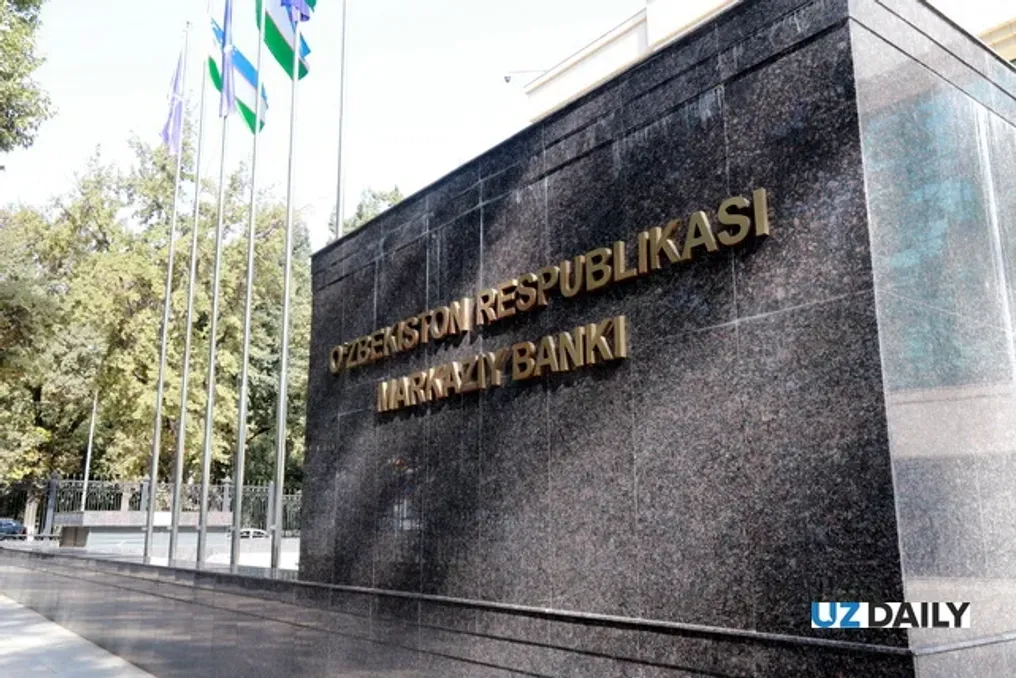
Commercial banks in Uzbekistan have implemented anti-fraud and antivirus systems, Session, as part of the execution of Decree No. PQ-381 of the President of Uzbekistan. The goal of these measures is to protect client funds and mobile devices from digital threats, according to the Central Bank of Uzbekistan.
The Session system analyzes banking operations based on their risk level. Transactions identified by the system as high-risk are blocked, which reduces the probability of funds being withdrawn through suspicious operations.
Leaders in Blocked Transactions
Xalq banki leads in both the volume and number of blocked transactions, amounting to 186.7 billion som in 2,221,403 operations. It is followed by TBC Bank with an amount of 175.5 billion som across 93,215 transactions, and Uzum Bank, which blocked 68.1 billion som in 18,022 cases.
The list also includes SQB (23.7 billion som, 1,733 transactions), Ipak Yuli bank (5.6 billion som, 1,364,136 transactions), Hamkor bank (1.6 billion som, 103,105 transactions), Milliy bank (0.7 billion som, 101,865 transactions), Turon bank (7.7 million som, 3,121 transactions), Ipoteka bank (4.3 million som, four transactions), and Open Bank (2.5 million som, 6,309 transactions). Other banks accounted for 3 million som in 14,210,139 transactions.
In parallel, antivirus systems function within bank mobile applications to detect malware. They identify dangerous .apk files and applications on user devices, ensuring safer access to banking services.
Leaders in Malware Detection
Ipak Yuli bank topped the ranking for the number of devices whose access was restricted after malware detection, registering 991,179 such devices; 57,326 of these were subsequently cleaned. Next is Orient Finans Bank (93,117 devices, no data on cleaning), Agrobank (55,955 devices, of which 30,997 were cleaned), APEX BANK (30,506 devices, 24,997 cleaned), TBC Bank (29,154 devices, 18,181 cleaned), InFinBank (23,707 devices, all 23,707 cleaned), SQB (13,544 devices, all cleaned), Mikrokreditbank (11,285 devices, 9,575 cleaned), Tenge bank (6,914 devices, no data on cleaning), and Open Bank (5,998 devices, 4,859 cleaned). Other banks recorded 25,877 restricted devices, of which 1,820,849 were cleaned.
The Central Bank noted that thanks to these protective mechanisms, it has become possible to identify fraud risks at an early stage, timely restrict suspicious operations, and protect the funds and devices of users of banking services.