During monitoring and investigations conducted by the Raqobat Committee, cases of legislative violations were discovered in state procurements amounting to over 25 billion soums.
Similar stories
Enterprises in Uzbekistan will be able to purchase copper raw materials with 25% prepayment
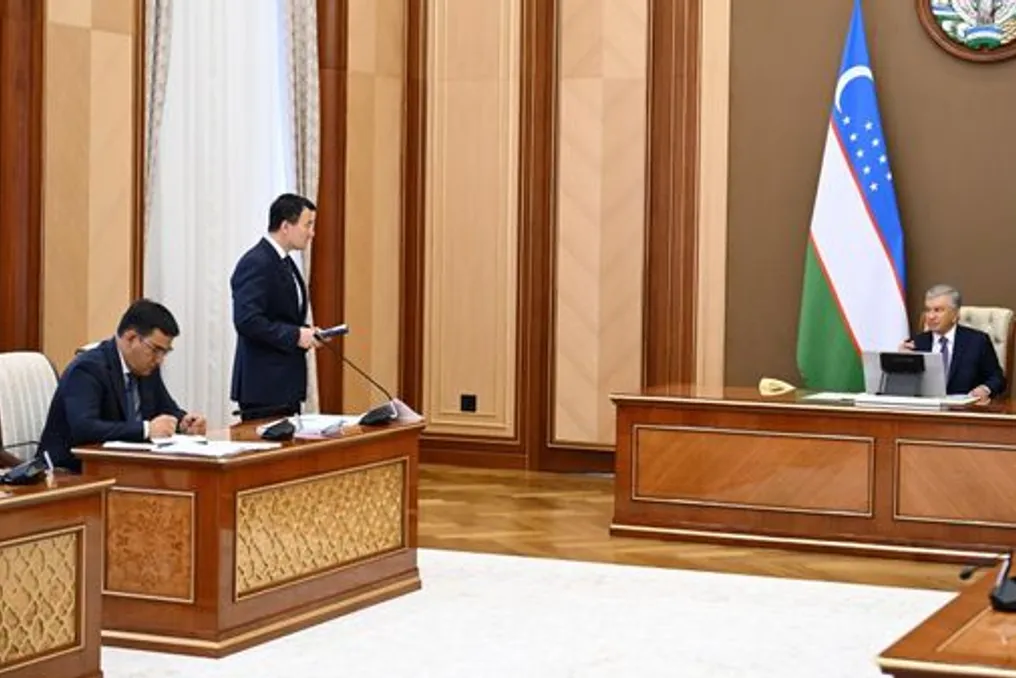
The President of Uzbekistan reviewed a presentation aimed at advancing the electrical engineering industry to a new level and supporting the production of competitive products. This was reported by the president's press service.
As part of the presentation, a new mechanism for financial support for network enterprises was proposed. According to this proposal, when purchasing copper raw materials, enterprises must make a 25% payment, and the remaining 75% will be covered by the company 'Uzsonaatexport' JSC. Enterprises will be able to repay these funds within 90 days at an annual rate of up to 6%.
A resource of $50 million is planned to be allocated to implement this initiative. Furthermore, it was proposed to accept other types of guarantees, such as export contracts and insurance policies for loans, as well as to cover part of loans in national and foreign currencies for investment projects lasting three years.
Tax incentives are also being considered for large international brands investing at least $50 million, as well as proposals to provide ready-made buildings with infrastructure. It is planned to extend tax and customs benefits for electrical engineering enterprises until 2030.
Plans include simplifying processes for entering external markets, including establishing foreign trade warehouses, certification, and expanding exports. Opportunities to increase the export of complex technological solutions to Afghanistan, Mongolia, Kazakhstan, and Iraq were studied.
Additionally, it was proposed to create a research and innovation center for the Fourth Industrial Revolution, which will be responsible for digital modeling, testing new products, and developing prototypes.
Namangan Region sets goal to harvest 254.5 thousand tons of cotton in 2026
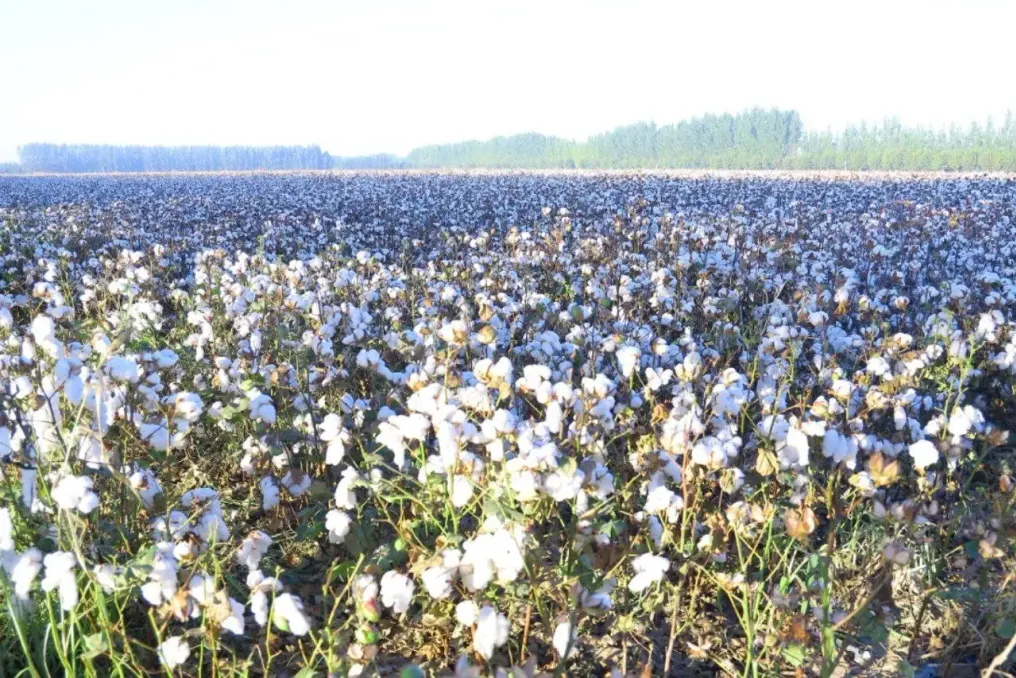
The Namangan region has begun preparations for the raw cotton harvest in 2026, setting the goal of collecting a total yield of 254.5 thousand tons. According to data from the information service of the Namangan region's hokimiyat, cotton was sown over an area of 48,800 hectares this season, with a planned average yield of 52.2 centners per hectare.
Based on these indicators, the region expects to obtain 254.5 thousand tons of cotton. Currently, cotton bolls are widely opening in the fields, signaling the approach of the main stage of the harvest campaign.
A total of 856 harvesting brigades have been formed in the region. This year, the main focus will be on mechanized harvesting, with expectations that cotton harvesting machinery will collect 70% of the yield. It is planned to utilize 178 cotton harvesting machines, and the region's equipment fleet was supplemented with 57 new machines this year.
Preparations for the harvest were discussed at a regional demonstration seminar-meeting held at the field camp of the 'Elita Urugchilik' farm in the Minbulak district. The event gathered agricultural veterans, community elders, heads of regional law enforcement agencies, district hokims, and representatives of relevant organizations.
The seminar focused on reducing harvest losses, adhering to established deadlines, ensuring safety requirements, and coordinating all stages of the campaign. Measures were determined after the meeting to ensure the completion of the harvest in a short period.
The Hokim of the Namangan region, Shavkatjon Abdurazzokov, instructed responsible officials to ensure timely collection of cotton from the fields, create necessary conditions for cotton harvesters, and achieve the planned production targets.
The start of the harvest campaign was also marked by a traditional event attended by community elders. A sacrificial animal was slaughtered, and a dastarkhan was set up. Participants offered prayers for the well-being of farmers and agricultural workers, and gave a 'white blessing' in honor of the start of the new season.