Iconic South African Dishes Reflecting the Country's Cultural Heritage
Read more
IOL
iol.co.za

Iconic South African Dishes Reflecting the Country's Cultural Heritage

The culinary heritage of South Africa reflects the diversity of its peoples, cultures, and regions. Regardless of the region, malva pudding is one of the dishes that can be found on menus. These iconic dishes tell the stories of the people who shaped the country, whether served at family celebrations, cooked over a fire, sold on the streets, or passed down through generations.

From aromatic Cape Malay style dishes to classic Durban recipes and township fare—all this food demonstrates the richness of culinary traditions. As part of Heritage Month, nine South African dishes are featured that deserve attention in understanding the uniqueness of local cuisine.

Bunny Chow

Bunny Chow is closely associated with the city of Durban. This dish consists of a hollowed-out loaf of bread filled with curry. It originated in the Indian community of Durban and has become one of the city's most famous culinary exports. When consumed, the bread absorbs the curry, becoming an integral part of the meal rather than just a side dish.

Tomato Bredie

Tomato Bredie is a hearty stew traditionally linked to Cape cuisine and the Cape Malay style. The word 'bredie' means slow-cooked stew. It is known for its rich tomato base and warming spices, while the meat is simmered until tender. Bredies have become an important part of Cape culinary tradition; among the known variations are versions with tomatoes, cabbage, and green peas. This dish is perfect for the category of South African comfort food: it is generous, deeply flavorful, and meant for sharing.

Chakalaka

Chakalaka is a spicy vegetable relish that has become closely associated with township food in South Africa and is now found on tables across the country. Although recipes may vary, this side dish usually includes vegetables such as onion, tomatoes, peppers, carrots, and beans, mixed with spices and chili. It is often served with pap, bread, meat, or other favorite grilled items. The history of chakalaka is less clearly defined than some of the country's older dishes, but its place in South African food culture is firmly established.

Potjiekos

Potjiekos is defined not only by its ingredients but also by its method of preparation. Traditionally, it is cooked in a three-legged cast iron pot over an open fire, layering meat and vegetables and allowing them to simmer slowly. Although this dish is particularly associated with Afrikaans cuisine, today it has long gone beyond any single community. It is a dish loved by people from different cultures, reflecting the country's love for cooking over an open flame.

Vetkoek or Magwinya

Whether called vetkoek, magwinya, or amagwinya, this fried dough is very popular at markets, gatherings, and roadside stalls across South Africa. A crispy exterior hides a soft, airy center. It can be eaten plain, stuffed with mince curry, or paired with sweet toppings like jam. The different names reflect the linguistic and cultural diversity of the country, while the dish itself has become widespread.

Bobotie

Bobotie is one of the dishes most often used to represent South African cuisine abroad, yet its roots lie in Cape Town and the influence of Cape Malay culinary art. It is made from seasoned minced meat, traditionally topped with a custard made from eggs and baked until cooked through. Sweet and savory flavors combine with aromatic spices, often complemented by raisins. Cape Malay cooks have made a significant contribution to South Africa's culinary culture, and bobotie is among the dishes associated with this heritage. Today, bobotie can be found both on home tables and in restaurants far beyond Cape Town.

Malva Pudding

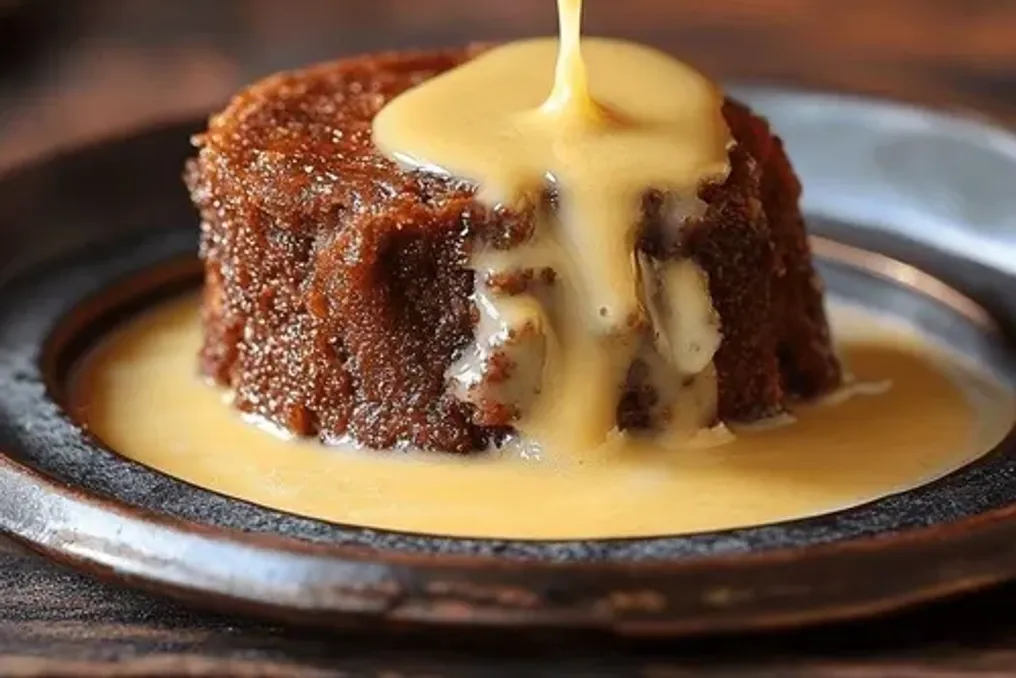
Malva pudding is a dessert that requires no introduction in South Africa. The pudding is drenched in a rich sweet sauce while still warm, allowing it to absorb the liquid. It is usually served with custard or ice cream. The exact history of this dish is debated, but it is widely considered a South African dessert with associations to Cape Dutch cuisine. It has become a familiar element in restaurant menus and family celebrations.

Milk Tart

Milk tart, or melktert, is another dessert deeply rooted in South African culinary culture. It has a base of shortcrust pastry or sponge cake, filled with a creamy milk-egg custard, and sprinkled with cinnamon. This dessert has roots in Dutch culinary influence in Cape Town and has evolved into countless family versions over time. Today, it can be found on restaurant menus, is available in most bakeries, and is popular at family gatherings. Its appeal is simple: the combination of creamy custard, cinnamon, and shortcrust base is time-tested. From restaurants to bakeries, milk tart is a dessert that frequently appears on the tea table.

Koeksisters

Perhaps there is no better example of how South African food can tell several cultural stories than koeksisters. The traditional Afrikaans koeksister is made from braided dough, deep-fried, and then soaked in cold syrup. The result is a crunchy, sticky, and sweet texture with syrup permeating the pastry. There is also the Cape Malay koeksister, which is a different confection made from fried dough, syrup, and coconut, often using spices such as cinnamon and cardamom. Although both hold a place in South African culinary culture, they should not be confused. This distinction is what makes the heritage of South African food so fascinating.

Our dishes do not always fit into separate categories. They have traveled, changed, and been adopted by different communities. Perhaps this is how these dishes should be viewed during Heritage Month. They are not merely products of the past; they are part of a living culinary culture that continues to evolve while remaining recognizably South African.

Similar stories

Checklist for Celebrating South African Heritage Day
Read more
iol.co.za

Checklist for Celebrating South African Heritage Day

Heritage is reflected in the stories we tell, the traditions we preserve, and the memories we create together. For some South Africans, the feeling of home is associated with familiar music, the smell of barbecue, a family recipe, a Sunday dinner at the table, or the sound of wild birds in the distance.

Angelique Yse van Rensburg, one of the finalists of the Mrs South Africa 2026 competition, believes that heritage is the feeling of being surrounded by loved ones. This is reflected in the way we communicate, the jokes, the support, and daily life, as well as the feeling of coming home. Angelique Yse van Rensburg highly values family traditions that unite generations.

Gather Around the Table

A family meal can become a tradition without a formal announcement. Several Mrs South Africa finalists shared their views on the importance of shared meals. Megan Kaister recalls family dinners as a time for conversation and sharing stories, while Angelique aims to continue the tradition of family breakfasts and dinners. On this Heritage Day, it is worth setting aside time for a meal that is often postponed. Put away phones and spend more time at the table.

Megan Kaister is convinced that shared experiences create memories worthy of passing on.

Light the Barbecue Fire

A South African celebration would be incomplete without a barbecue. The finalists repeatedly mentioned barbecue, including boerewors, steak, ribs, braaibroodjies, and potato salad. Behind these dishes are the people who make the celebration unforgettable: the family barbecue master, the grandmother with the legendary recipe, or the person insisting on the best marinade. The essence here is not the perfect menu, but bringing people together.

We should not forget the four-legged members of the family. Angelique notes that in her family, dogs are treated like children, and Karika Beb describes pets as a source of unconditional love. For Aleche Landman, growing up surrounded by animals also meant learning responsibility and care for nature. Therefore, it is worth adding treats for beloved pets and lots of affection to the checklist.

Create a Memory Worth Passing On

The finalists spoke about the values they hope to see in the next generation: kindness, dignity, hard work, humor, resilience, and responsibility. These qualities are formed in everyday moments—through how we treat people and care for the places we call home. Heritage is also what we choose to continue doing. It could be a Sunday tradition or a story told again and again.

Aleche Landman highly values the lifelong connection with nature and animals. Mrs South Africa 2026 promoter and advocate for Soft Landings, Dotsure, believes that the most valuable thing in us is reflected in how we care for everything we hold dear. Although Heritage Day may fall on September 24th, there is no reason for the entire checklist to fit into one day. Brew tea, light the fire, call family, let the dog onto the couch. Then create memories worth inheriting.

Durban Food Heritage Festival Showcases Dishes Reflecting the History of Indian Experience in South Africa
Read more
iol.co.za

Durban Food Heritage Festival Showcases Dishes Reflecting the History of Indian Experience in South Africa

Traditional cuisine will be the central theme at the Food Heritage Festival, which takes place at the 1860 Heritage Centre on Saturday, September 12th. The event will bring together Durban families to celebrate the tastes, memories, and cultural traditions shaped by the experience of Indian indentured labourers in South Africa.

The festival, held at 1 Derby Street, Greyville, will feature demonstrations of old dishes, live cooking shows, and entertainment. Among the participants in the cooking workshops are Tigam Natu and Solina (Mudli) Naidu, who will share recipes based on personal family experiences. This event is part of the Centre's efforts to preserve the history and heritage of South Africans of Indian descent.

Stories Through Cuisine

For Tigam Natu, food was an integral part of family life from an early age. She recalls becoming her mother's assistant in the kitchen, participating in kneading, whipping, chopping, and stirring. A special memory for her comes from preparing for Diwali, when she and her sister helped dye almonds, mix filling for poli, and roll soji vaurande in hot syrup. These early lessons contributed to her lifelong love of cooking. Later education in hospitality and hotel management expanded her skills from preparing individual portions to cooking for large groups.

Natu's culinary journey took on a Gujarati flavour after marriage, as her mother-in-law introduced her to a new range of dishes and mithai. At the festival, she will present Gujarati Banana Curry and Bajji—a dish that initially seemed unusual due to the combination of ripe banana with spicy tomato chutney, mint leaves, and a gram flour base. For Natu, this dish carries a strong family memory, as it was a favourite at weekly family dinners at her mother-in-law's home.

Evolution of Culinary Traditions

Solina Naidu's culinary journey also began at home, in the kitchen of her mother and three 'perimas' in Chatsworth. At the festival, she will demonstrate her Perima's Chicken and Lentil Curry in Durban style. Like Natu, Naidu's culinary skills developed in a home setting, among women who cooked mostly intuitively rather than from written recipes. By the age of 12, she could already cook some classic Indo-South African dishes independently.

Her main mentors were her mother and three aunts—her 'perimas,' who ultimately inspired the story of Perima's Kitchen, through which she seeks to preserve the knowledge and flavours passed down through generations. Naidu wants to show how small, thoughtful changes can start with familiar and beloved ingredients. However, for her, food is more than just ingredients; she remembers how her love for fish curry began during a family vacation in Spiopenkop, when her uncle Kessi cooked it over a fire. For her, the power of food lies in how scent or taste can connect a person to a person, a place, and a memory.

This connection is central to the broader story of heritage. Selvan Naidu, Director of the 1860 Heritage Centre, describes kanjikerai (rice porridge and wild greens) as a marker of acculturated identity, demonstrating how Indian indentured communities adapted their culinary traditions to the living conditions in South Africa. Indentured labourers integrated locally available ingredients into their cuisine, creating traditions that reflected both their Indian origins and the new African environment. Dishes featuring ingredients such as maize meal, amadumbe, dried fish, and local herbs became part of the evolving Indo-South African dietary culture. The resulting cuisine tells a story of migration, adaptation, resilience, and cultural exchange.

Solina Naidu believes that preserving this history requires the active participation of modern families. She emphasizes that 'our food tells the story of our origins,' and that South African Indian cuisine carries stories of migration, resilience, adaptation, family, and community. The Food Heritage Festival provides visitors with an opportunity to experience this history through food, and the program also includes tours of the Centre's exhibitions and artifact room.

Tigam Natu advises that perhaps one simple ingredient should never be excluded from any recipe—the chef's state of mind. She warns: 'Do not cook if you are in a bad mood. It definitely affects the food.'

Four Traditional South African Dishes Worth Trying in Heritage Month
Read more
iol.co.za

Four Traditional South African Dishes Worth Trying in Heritage Month

September is celebrated as Heritage Month in South Africa, a time to celebrate the country's rich cultural traditions, languages, history, and, of course, cuisine. Since Heritage Day falls on September 24th, food offers one of the simplest ways to experience the diversity of South Africa.

Traditional dishes, from local maize staples to Cape Malay favorites, carry stories passed down through generations. This month features four classic South African dishes that are worth including in your menu.

Umngqusho — The Khosa People's Favorite Dish

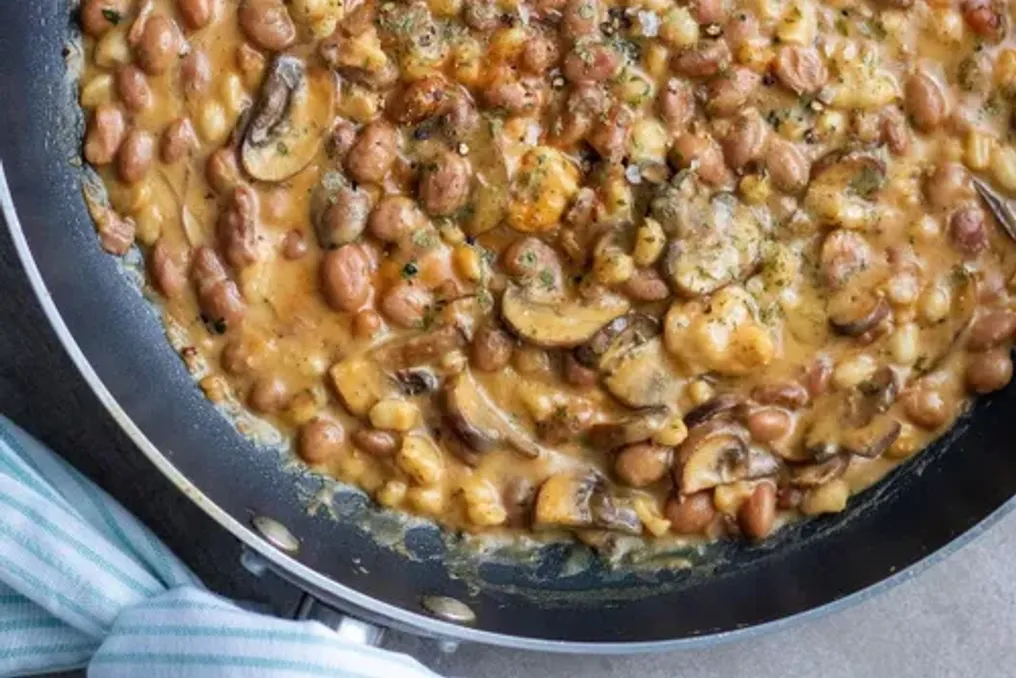
Among the dishes closely associated with the Khosa people's cuisine, umngqusho holds a special place—a hearty combination of dried maize and beans. It can be eaten on its own or served with meat, making it a comforting staple for family gatherings. It is also known that former President Nelson Mandela loved this dish.

For many South Africans, umngqusho is more than just a meal; it is the taste of home and a reminder of traditional cooking.

Bobotie — A Spicy Cape Classic Recipe

If you are looking for something with a distinct Cape flavor, bobotie is a favorite during Heritage Month. This dish is made by mixing spiced minced meat, often with raisins or other dried fruits, then topped with an egg custard and baked. Its history reflects the many cultural influences that have shaped South African cuisine, including Cape Malay culinary traditions.

Bobotie is usually served with rice and sambals, demonstrating how various culinary traditions have become part of South Africa's shared food culture.

Pap, Chakalaka, and Meat

No list of South African cuisine would be complete without pap and chakalaka. This combination of maize porridge, spicy vegetable relish, and fried or stewed meat is a familiar element of family gatherings, celebrations, and barbecues. Although recipes vary from one family to another, that is part of its charm. Some families prefer their chakalaka very spicy, while others make it milder. Pap can range from delicate and creamy to firm enough to eat with your hands.

The tourism company South Africa highlights pap and chakalaka among the country's iconic dishes, describing these traditional foods as part of South Africa's history and identity.

Kgodu — A Local Taste Worth Rediscovering

Heritage Month also provides an opportunity to look beyond the already well-known dishes. Kgodu, a traditional wild melon porridge originating from Limpopo and popular in Bapedi culture, is one such example. This dish combines wild melon with maize meal or sorghum, and the melon seeds can be dried and roasted to make dithotse. It serves as a reminder that traditional South African cuisine has long included inventive, plant-based dishes and methods of using ingredients with minimal waste.

More Than Just Food

South Africa's heritage cannot be captured by a single dish or cuisine. The nation's food culture has been shaped by both local traditions and by African, Asian, and European influences. During this Heritage Month, whether it is a plate of umngqusho, a steaming bowl of pap and chakalaka, aromatic bobotie, or a lesser-known local dish, the food on the table can be a delightful way to celebrate the many stories that make up South Africa.

Popular