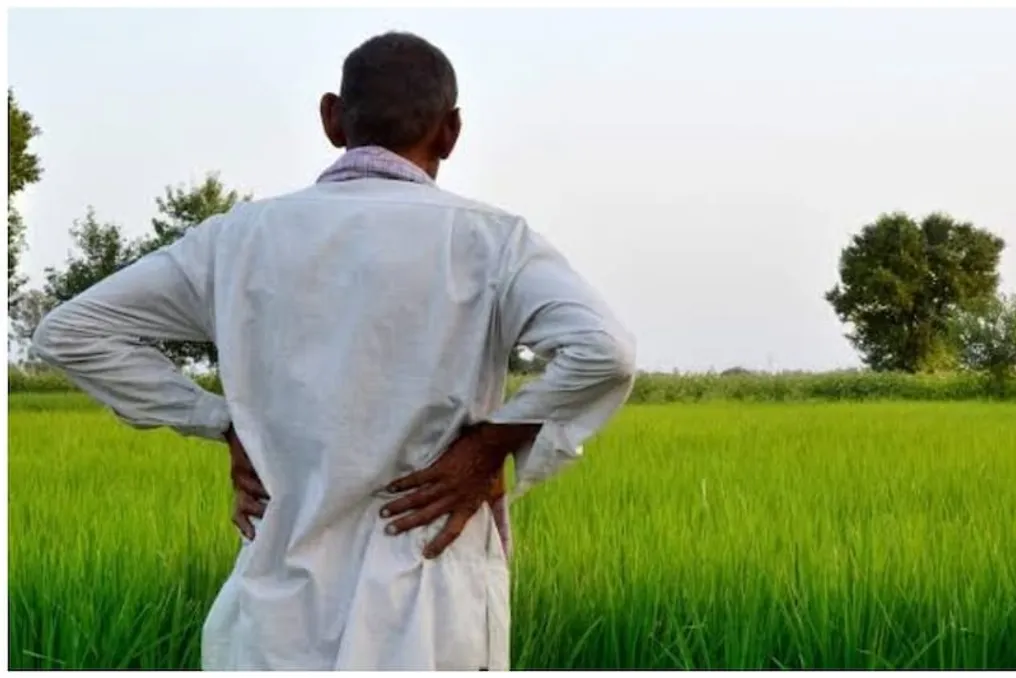
Every farmer strives to achieve a good harvest on their field and increase income with minimal expenses. However, despite applying large amounts of fertilizers and urea, the yield often turns out to be lower than expected. A significant reason for this can be an imbalance of nutrients in the soil. Applying fertilizers without prior testing can lead to increased costs and negatively affect soil health.
It is necessary to understand that not all soil requires the same amount of urea or other fertilizers. Since the composition of each soil is unique, there is a tool that helps farmers understand these differences—this is the Soil Health Card.
The Soil Health Card functions as a soil analysis report, indicating exactly which nutrients are missing from the land and how much fertilizer is required. The Government of India launched this program on February 19, 2015. The goal is to provide farmers with a scientific assessment of their land's condition so they can choose appropriate crops and use fertilizers only as needed.
The slogan of this government initiative is 'Healthy Soil – Green Field.' To date, over 250 million Soil Health Cards have been issued free of charge to farmers across the country. Thanks to this card, a farmer can assess the condition of their soil and plan agricultural work based on the data obtained.
The Soil Health Card analyzes twelve important soil parameters. These parameters include soil pH level, electrical conductivity, and organic carbon. Additionally, the content of essential nutrients such as nitrogen, phosphorus, and potassium is checked. The report also provides information on micronutrients, including sulfur, zinc, iron, copper, manganese, and boron. Thus, the farmer is informed not just whether the soil is good or bad, but also exactly which nutrient it lacks or has in excess.
Based on the soil analysis report, the farmer receives recommendations on fertilizer use. This allows them to apply fertilizers according to needs, rather than relying on guesswork. If necessary, they may be advised to use limestone, gypsum, or other corrective agents to improve soil structure. This contributes to maintaining field fertility in the long term. The report also helps the farmer determine which crop might grow best on their land.
The main advantage of the Soil Health Card is that the farmer can use fertilizers and nutrients based on the needs of their soil. This helps reduce costs associated with purchasing unnecessary fertilizers. According to government data, balanced fertilizer use and soil analysis help farmers reduce expenses, increase yields, and improve land condition. Nevertheless, actual savings and changes in yield can vary depending on the crop, soil type, weather, and farming methods.
To obtain a Soil Health Card, a soil sample is taken from the field using scientific methods. Typically, the sample is collected from the topsoil at a depth of about 15–20 centimeters. This sample is then sent to a laboratory for soil analysis. Analysis can be conducted in government soil testing laboratories, agricultural universities, or accredited private laboratories. After the analysis, the farmer receives a soil report detailing the condition of various nutrients and fertilizer recommendations.
Soil testing under the Soil Health Card program is conducted periodically. According to the plan, soil analysis and card issuance are scheduled every two to three years so that agricultural advisories can be updated to reflect changes in soil condition.
Farmers can also view information about the Soil Health Card online. They can do this by visiting the official Soil Health Card portal and accessing information about their land and available reports. Furthermore, farmers can receive consultation at the nearest agricultural science center, district agricultural office, or Gram Panchayat.
Farmers can contact the local agricultural department office, agricultural science center, or relevant local center to learn more about the Soil Health Card. If an online service is available, the process can be completed through the official portal. Before applying, it is advisable to clarify the required documents and local procedures at the respective agricultural department, as documentation requirements may vary depending on the state and the available service.