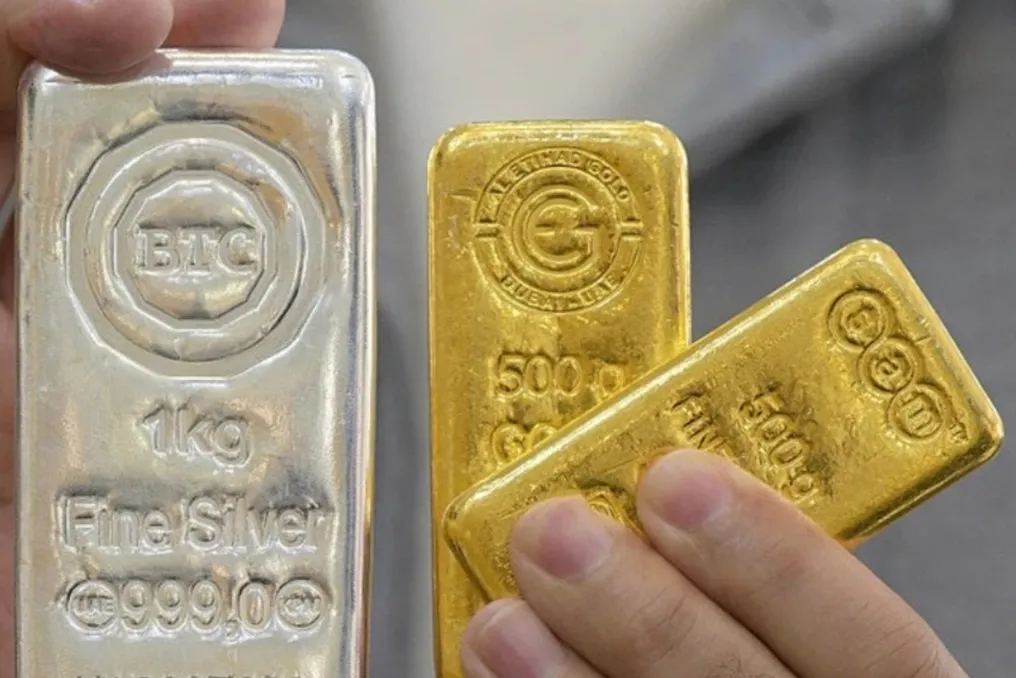
On Thursday, the fourth working day of the week, a significant drop was observed in the prices of gold and silver. As futures trading began on the Multi Commodity Exchange (MCX), silver fell from over 4500 rupees to the level of 2.30 lakh rupees per kilogram. Simultaneously, the price of gold also sharply decreased, dropping by 2000 rupees to reach the mark of 1.50 lakh rupees per 10 grams.
Analysis of changes in the MCX markets showed that silver with a December 4 expiry plummeted to 2,30,221 rupees per kilogram, whereas it traded at 2,34,786 rupees on the previous business day, indicating a fall of 4,565 rupees. Regarding gold, the price for 10 grams of 24-karat gold decreased by 1987 rupees compared to the previous closing of 1,52,470 rupees, settling at 1,50,483 rupees.
The first reason for this sharp decline in gold and silver prices was the decision made by the US Federal Reserve (US Fed) regarding the interest rate. During the meeting led by Fed Chairman Kevin Warsh, an increase in the interest rate by 25 basis points, or 0.25 percent, was announced. Thus, the rate rose from 3.75% to the range of 4%. Raising interest rates puts pressure on the precious metals market, leading to a decrease in their value.
The second factor contributing to the price drop is the strengthening of the US dollar. The US Federal Reserve raised interest rates by 25 bps, which was the first increase since 2023, and hinted at another rate hike this year. Following this, the dollar index exceeded the 100 mark, and the strengthening of the dollar in the international market put pressure on precious metal prices.
The third reason is related to the yield on US bonds. Bond yields in America reached 5%, which was also a significant reason for the decline in gold and silver prices. This occurs because when bond yields rise, investments in assets like gold and silver, which do not generate interest, become less attractive, creating downward pressure on their prices. Investors prefer to place funds in bonds instead of gold when US Treasury yields increase.
The fourth reason is the rise in commodity inflation. Tensions in West Asia persist, and crude oil prices remain above the $100 mark. By the time the news was published, the price of Brent Crude exceeded $105 per barrel. The rise in international oil prices increases the risk of global inflation, which is reflected in the prices of precious metals.
The fifth reason is global tension. Ongoing tensions in the Middle East often lead to sell-offs of precious metals amid geopolitical instability, causing a drop in gold and silver prices. If the prices of gold and silver have already risen significantly before news of war or other events emerges, investors begin to take profits, leading to a decrease in metal prices on the commodity market.