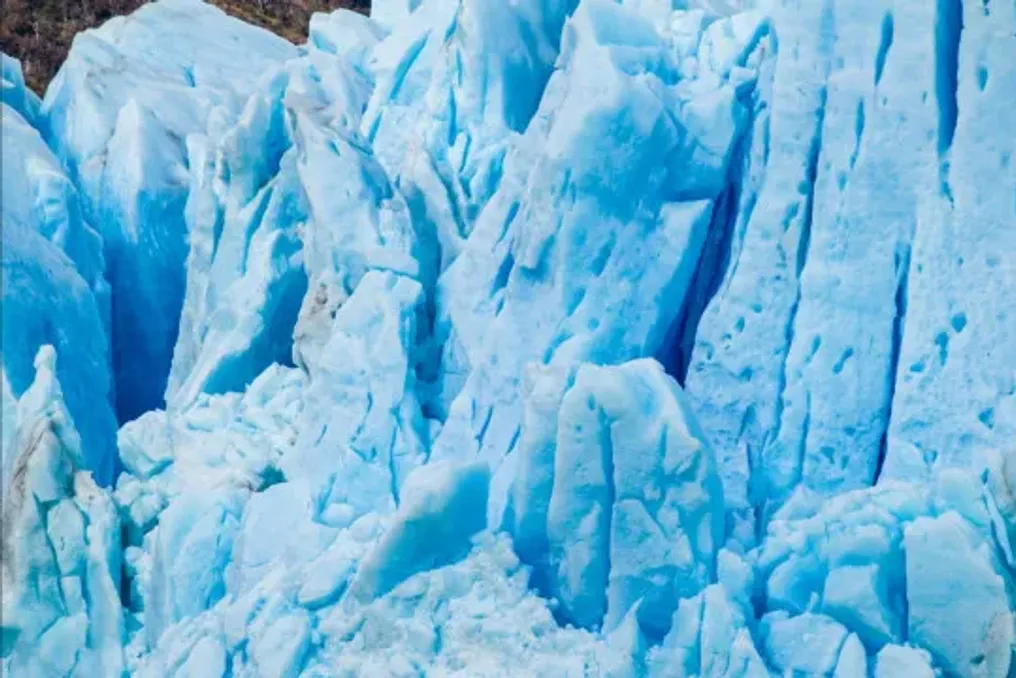
Data presented in the latest Global Water Resources Status Report for 2025, released by the World Meteorological Organization (WMO), indicates a significant decrease in water in rivers, lakes, and glaciers.
This document points out that the regions of Asia and Africa are the most severely impacted by water-related disasters. These two areas are responsible for at least half of all extreme water events and over 80% of fatalities recorded in the last five years.
Those responsible for the report state that the planetary hydrological cycle has become more unstable and difficult to predict, alternating between periods of water surplus or scarcity. Furthermore, there is a continuous trend of reduction in the stock of fresh water on Earth, and world rivers faced one of the driest years in the last three decades.
The report conducts a complete scientific analysis of the global water cycle, covering everything from river runoff to groundwater, storage, evapotranspiration, snow, and ice, including events of great relevance.
The WMO clarifies, through a statement citing Secretary-General Celeste Saulo, that while elements such as rain or soil moisture react quickly to climate changes, other components, such as glaciers and groundwater, function as long-term reserves, acting as a buffer during dry periods.
Celeste Saulo stated: 'We are depleting this savings account. Global terrestrial water storage has shown a downward trend since 2014–2016 – a persistent signal lasting a decade. For the fourth consecutive year, all major glacial regions of the Earth have lost ice mass.' She also mentioned that the situation is similar with groundwater, as almost two-thirds of monitored wells registered water loss in 2025.
The study details that the previous year was one of the driest in terms of the volume of many rivers in the last 35 years. Additionally, the number of watersheds classified as normal fell for the seventh consecutive year, standing between 34% and 38%. Terrestrial water storage (which includes aquifers, lakes, and rivers, soil moisture, vegetation, ice, and snow) has been declining since the mid-2010s.
Last year also marked the fourth consecutive year of widespread glacier loss in all regions, which generates immediate risks, such as floods, and threats of long-term water insecurity. Between 2023 and 2025, there was an ice loss equivalent to 1,400 gigatonnes of water.