Rooibos, an ingredient with a history linked to local knowledge, is finding new applications outside of South Africa. This South African product is now being used in Japanese ramen, British ice cream, and lattes in North America, expanding its markets.
In September, as South Africa celebrates Heritage Month, rooibos serves as a direct bridge between traditional knowledge and the modern export industry. Furthermore, the commercial success of this product raises an important question about how communities connected to its traditional use benefit from this trade.
Heritage Day, celebrated on September 24th, recognizes the country's cultural diversity. The government includes local knowledge, skills, oral history, and cultural traditions in the definition of living heritage, and knowledge related to rooibos is part of this heritage.
The Japanese division of the international gastronomic cafe network DEAN & DELUCA integrates rooibos with seasonal sweet potato in its inventive latte.
Rooibos is grown in the Western and Northern Cape regions, including Cederberg and areas around towns such as Clanwilliam and Nieuwoudtville. The cultivation of this plant connects it to farming communities and the knowledge required for growing, harvesting, and processing rooibos.
The contribution of the Khoi and San communities received official recognition through an industry benefit-sharing agreement launched in 2019. A government study identified them as bearers of traditional knowledge related to rooibos, which formed the basis for compensation negotiations for its commercial use.
In July 2022, the Department of Forestry, Fisheries and the Environment reported that just over 12.2 million rand was paid into trusts representing these two communities. These funds were received for the first year of purchases covered by the agreement and were split equally between the trusts.
This recognition of rooibos within Heritage Month in September has a practical foundation. The agreement links the recognition of traditional knowledge with payment for its use in an industry that sells products to more than 50 international markets.
According to the South African Rooibos Council, Japan accounted for 33% of rooibos exports in 2025, becoming the largest foreign destination. Established markets also include Germany, the Netherlands, the United Kingdom, and France.
Council representative Adele du Toit noted that rooibos is suitable for a wide range of culinary and beverage applications due to its mild taste and natural lack of caffeine. She emphasized: 'Whether it is used to make lattes, add depth to cheese dishes, flavor desserts, or as a base for cocktails, rooibos gives people a familiar ingredient they can experiment with in completely new ways.'
In Japan, the ramen chain Ippudo served rooibos alongside its dishes. In 2024, they included this tea in a limited series of ramen, combining it with pork bone broth and Japanese dashi made from kombu and shiitake mushrooms.
Clinton Gass, Managing Director of Japan’s Rooibos Marketing Ltd, stated that changing the product positioning from a medicinal drink to a specialty tea helped develop the market. He added: 'By creating a business in Japan for the distribution and marketing of rooibos, we were able to change the positioning of rooibos. Tea connoisseurs in the Japanese market loved it, and exports significantly increased.'
Café menus in Japan also feature rooibos. Starbucks introduced a rooibos tea latte in its specialized Tea & Café stores in 2023, mixing the tea with milk and vanilla syrup. Dean & Deluca Japan combined rooibos milk tea with Japanese sweet potato in a seasonal latte in 2024.
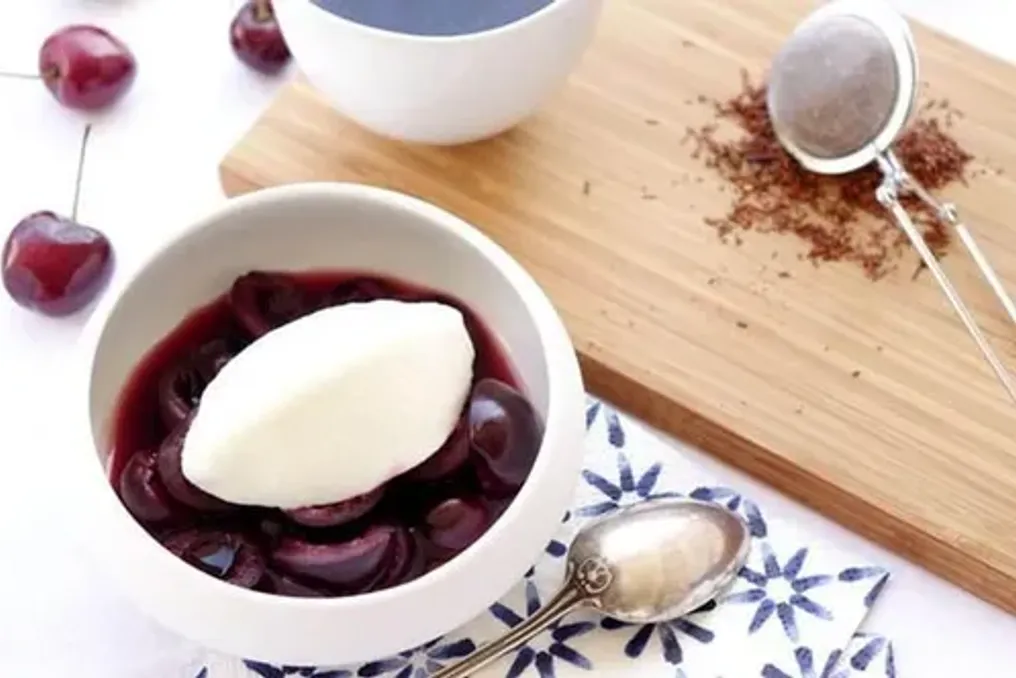
In the UK, the recipe collection of the tea brand Tick Tock includes refreshing drinks, kombucha, and rooibos-based desserts. Their Earl Grey rooibos ice cream is made with tea-infused sugar.
Dr. Sharon Hall, CEO of the UK Tea & Infusions Association, noted that consumers are increasingly seeking variety in herbal and fruit infusions. She explained: 'Today's consumers are becoming bolder in their drink choices, sparking new interest in the herbal and fruit infusion category due to the desire to explore flavors, care for health, and diversity.'
In Canada and the US, rooibos is used in lattes, cocktails, and flavored blends. Rooibos lattes and 'red espressos' offer a caffeine-free alternative for those avoiding caffeine, often mixed with whipped milk, honey, vanilla, or cinnamon.
Shabnam Weber, President of the Tea & Herbal Association of Canada and the Tea Association of the USA, observed that consumers are changing their beverage preferences. She said: 'Today's consumers do not necessarily think about choosing between tea or coffee. They look for drinks that suit a certain mood, moment, or need, and are willing to explore ingredients and formats that offer something different.'
Du Toit concluded that international interest is transforming how rooibos is used. She shared her impression: 'There is something special about seeing a product so deeply connected to South Africa being embraced and reinterpreted by people all over the world.'