Six road trips where wildlife is part of the journey
Read more
Getaway
getaway.co.za

Six road trips where wildlife is part of the journey

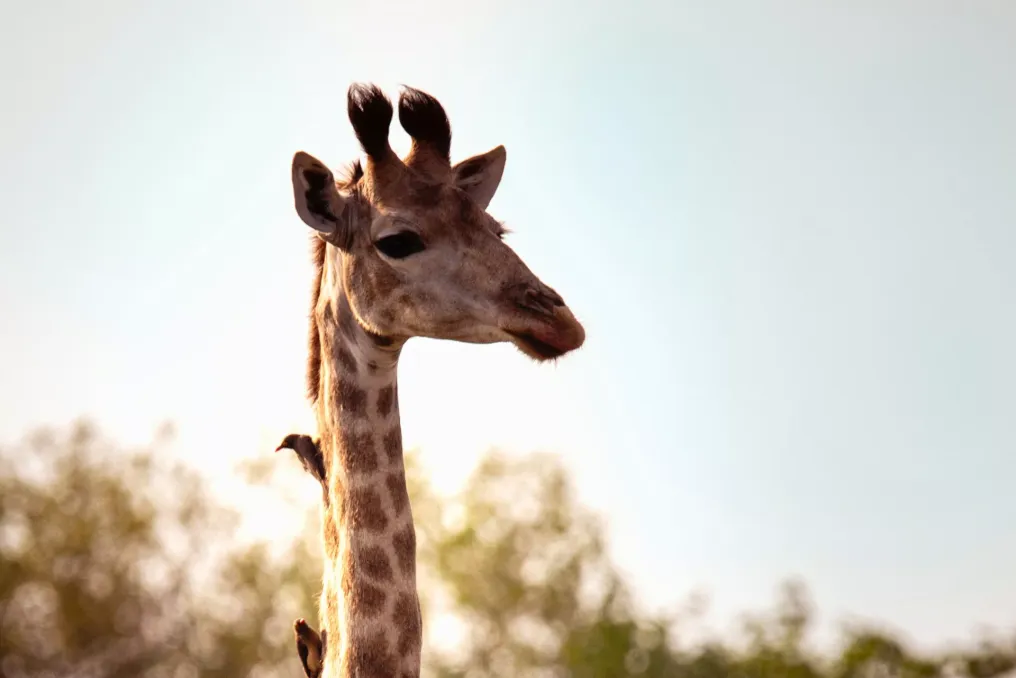
South Africa is known for its safari destinations, but observing wildlife doesn't always require a traditional safari tour, lodge, or open vehicle. Many memorable animal encounters happen along roads, mountain passes, coastal highways, and in cities surrounded by protected landscapes. These routes allow those who prefer to travel at their own pace to combine a road trip with wildlife viewing. It is recommended to bring binoculars and remain vigilant, as animals do not follow a set schedule.

The route from Cape Town towards the West Coast offers a simple way to experience wildlife without committing to a traditional safari. As the city gives way to open landscapes, the road passes through areas where one can spot borreals, ostriches, tortoises, and small antelopes.

The West Coast National Park is an obvious stop. Its roads wind through fynbos, coastal scrubland, and lagoon landscapes, where wildlife is often visible right from the car. Among the larger animals in the park are elands, zebras, wildebeest, and borreals, while birdwatchers can look for flamingos, pelicans, and other waterfowl around Langebaan Lagoon.

Planning the trip for spring makes the landscape an attraction in itself due to colorful wildflowers transforming the terrain. The Garden Route is usually associated with beaches, forests, and small coastal towns, but wildlife permeates the entire journey. The route between Mossel Bay and Storms River passes through a mix of coastal habitats, wetlands, and local forests.

One can stop at places like Wilderness and Knysna to birdwatch, or turn into the forests around Tsitsikamma. Sometimes baboons and vervet monkeys can be seen near roadsides and forest edges. It is important to store food safely and never feed wild animals.

This route also provides access to marine life. During whale season, southern right whales can be seen from the shore, and dolphins are sometimes visible in the open sea year-round.

KwaZulu-Natal offers a road trip where wildlife and scenery change drastically as you travel north from Durban. The journey towards St Lucia and iSimangaliso Wetland Park passes through subtropical landscapes before reaching one of South Africa's most biodiverse coastal regions.

Within the park, self-driving routes allow sightings of hippos, crocodiles, zebras, wildebeest, buffalo, and various antelope species. Wetlands are also excellent for birdwatching, including species such as fish eagles and flamingos. The roads around St Lucia can be particularly useful as wildlife is not confined to a single viewing area. Hippos sometimes move into areas near the town after dark, serving as a reminder to maintain a respectful distance and follow local safety rules.

Combining urban relaxation with a wildlife-filled trip is possible by heading northwest from Johannesburg to Pilanesberg National Park. This trip transports travelers from the urban environment of Gauteng to the hilly and volcanic terrain of the park.

Pilanesberg is a good option for those who want a self-guided wildlife experience. The park has a network of roads where visitors can search for elephants, rhinos, giraffes, zebras, wildebeest, and numerous antelope species from their own vehicles. The advantage of this option is flexibility: one can drive slowly through the park for an hour or dedicate a whole day to it before continuing on.

The Eastern Cape is another region where a road trip can easily incorporate wildlife. From Gqeberha, the journey towards Addo Elephant National Park leads to landscapes where elephants are the main attraction. Addo is particularly suitable for self-driving tours due to well-maintained roads and several routes through different habitats. Besides elephants, visitors may encounter buffalo, zebras, kudu, wild pigs, and other wildlife.

For a longer trip through the Eastern Cape, one can head towards the Amatole Mountains or the Wild Coast, where forest, grassland, and coastal habitats offer opportunities for birdwatching and encounters with smaller animals.

The Panorama Route in Mpumalanga is often noted for viewpoints like God's Window and Blyde River Canyon, but the journey also passes through wildlife-rich landscapes. Traveling between Graskop, Sabie, Hazyview, and Blyde River Canyon offers a chance to see baboons, monkeys, birds, and small mammals. Nearby protected areas also offer opportunities for self-guided wildlife viewing, allowing travelers to combine waterfalls, mountain scenery, and animals in one trip.

The key to a wildlife road trip is patience. One must slow down, stop safely in designated areas, and carefully observe the landscape instead of expecting animals to appear on a schedule. Often, the best sightings are the ones you weren't looking for.


Similar stories

Five day trips in South Africa where children can create things with their own hands
Read more
getaway.co.za

Five day trips in South Africa where children can create things with their own hands

A family weekend becomes even more memorable when children return home with items they made themselves. Such practical activities, whether pottery, candle making, bread baking, or traditional crafts, turn a trip into a creative adventure.

At Clay Cafe in Hout Bay, families can add a creative touch to a typical family getaway by choosing a ceramic item and turning it into their own piece of art. This family-friendly spot features over 180 ceramic pieces, including figurines, plates, and mugs. Children can select a favorite item, paint and personalize it before the finished piece becomes a keepsake souvenir. Additionally, there are branches in Paarl, Pretoria, Lanseria, and Johannesburg across South Africa.

This is a simple option for families who want the activity itself to be the main event, while still having the option to have lunch afterward. You can create a personalized ceramic mug, plate, or figurine toy.

Soltribe's craft programs in Constantia focus on mastering practical skills and hands-on work. The program changes throughout the year and includes activities such as leatherwork, candle making, felting, basket weaving, reed work, and clay. These programs have been offered to children aged three to six and seven to fourteen, during which the children created various projects and took their creations home. This is especially good for children who enjoy taking things apart, putting them back together, and figuring out how things work. Depending on the workshop, you can make anything from a candle to a leather or woven craft item.

A trip to Cape Winelands doesn't necessarily have to revolve around wine. At the historic farm Babylonstoren in Soetmelksvlei, practical culinary workshops put traditional farming skills at the center of the experience. The current program includes baking workshops using seasonal produce, where participants learn practical baking skills and take their creations home. Upcoming workshops include fruit baking, chocolate cake, butter and buttermilk rusks, and hearty breads. It should be noted that these workshops are not exclusively for children, so they are best suited for older children or families who can attend a suitable session together. As a result, you can get fresh bread, pies, cakes, or other seasonal dishes, depending on the chosen workshop.

If you want the children to leave with something more substantial than a photograph, visit a pottery studio. Claytopia in Johannesburg offers creative clay modeling sessions for children and teenagers, with classes divided by age group. Children learn pottery skills by creating useful small tableware and gifts; clay, glazes, and equipment are included in the price. The emphasis here is not so much on creating a perfect piece, but on exploring the possibilities that a lump of clay offers. Younger children can experiment with shaping and decorating, while older ones can develop more practical pottery skills.

For something different, you can visit an operating organic farm where children can see the food production process instead of just buying it in a store. At the organic farm Wegraakbosch, families can learn about organic farming and traditional cheese making. The cheese-making tour introduces visitors to the process of hand-making cheese over fire using traditional Swiss methods. Children can also collect eggs, feed calves, and try milking a cow by hand. This turns the farm visit into a more practical activity, offering curious children many opportunities for observation and participation. As a result, you can get cheese while learning about the origin of some ingredients and farm products.

Family leisure doesn't always require a grand attraction at the end of the road. Sometimes the best part is simply sitting with a lump of clay, kneading dough, pouring wax for a candle, or learning how milk turns into cheese.

Five Cape Town Museums Worth Visiting During Heritage Month
Read more
getaway.co.za

Five Cape Town Museums Worth Visiting During Heritage Month

Heritage Month offers an opportunity to look deeper than just the beaches, mountains, and culinary scene of Cape Town by immersing oneself in the histories that have shaped this city. Cape Town's museums showcase the most diverse facets of the city: from fictional to unexpectedly fascinating, and some are suitable for family outings.

If you plan to explore the history and culture of Cape Town in September, these museums should be included in your list of visits.

Iziko South African Museum

Visiting the Iziko South African Museum gives you a chance to journey through millions of years of South African history without leaving the Company Gardens. The museum's collections cover the natural world, archaeology, and human history, including exhibits ranging from fossils and ancient artifacts to marine specimens and displays of human evolution.

The museum's location allows for easy combination with other attractions in central Cape Town. You can spend the morning at the museum and then head to the Company Gardens or continue exploring other cultural sites in the city.

Address: 25 Queen Victoria Street, Gardens.

Zeitz MOCAA

The Zeitz MOCAA focuses on contemporary African creativity and the discussions taking place on the continent and among its diaspora. The museum occupies a historic grain silo complex at the V&A Waterfront, making the building itself part of the exhibition. Inside the gallery, modern works from various countries, artists, and perspectives are presented.

This is a good choice if you want your Heritage Month outing to consider Africa's present and future alongside its past.

Address: Silo District, V&A Waterfront.

District Six Museum

To understand the more recent history of Cape Town, one can start with the District Six Museum, which offers an intimate space. The museum focuses on the experiences of people who lived in District Six before forced removals during the apartheid era changed the area. Personal stories and historical materials help visitors grasp the community that existed there and the consequences of its destruction.

This museum is more focused on listening to memories associated with a place that remains an important part of Cape Town's identity, rather than simply viewing exhibits.

Address: 25A Buitenkant Street, Cape Town CBD.

Heart of Cape Town Museum

Cape Town made a medical breakthrough in December 1967 when Dr. Christian Barnard and his team performed the world's first successful human heart transplant at Groote Schuur Hospital. The Heart of Cape Town Museum preserves the story of this remarkable moment, giving visitors insight into the medical team, the operation itself, and the hospital setting where it took place.

For those interested in science, medicine, or unusual chapters of Cape Town's history, this museum offers a completely different experience compared to the city's artistic and historical collections.

Address: Groote Schuur Hospital, Observatory.

Cape Town Diamond Museum

The history and economy of South Africa have long been closely linked to diamonds, and the Cape Town Diamond Museum provides a brief introduction to this topic. Located at the V&A Waterfront, the museum traces the diamond's journey from its underground origin through mining and the processes of transforming rough stones into polished gems. Exhibitions also include replicas of some of the world's most famous diamonds, including Cullinan.

This is a light addition to a Waterfront route if you want to fit in some history during a day of sightseeing.

Address: The Clock Tower, V&A Waterfront.

Cape Town's museums vividly demonstrate the city's multilayered nature. One visit can take you from prehistoric fossils to contemporary African art, while another can introduce you to personal stories related to apartheid-era displacement or a medical breakthrough that garnered international attention. This Heritage Month, replace your usual trip through Cape Town with a museum visit—perhaps you will leave with an understanding of a completely different side of the Mother City.

Popular