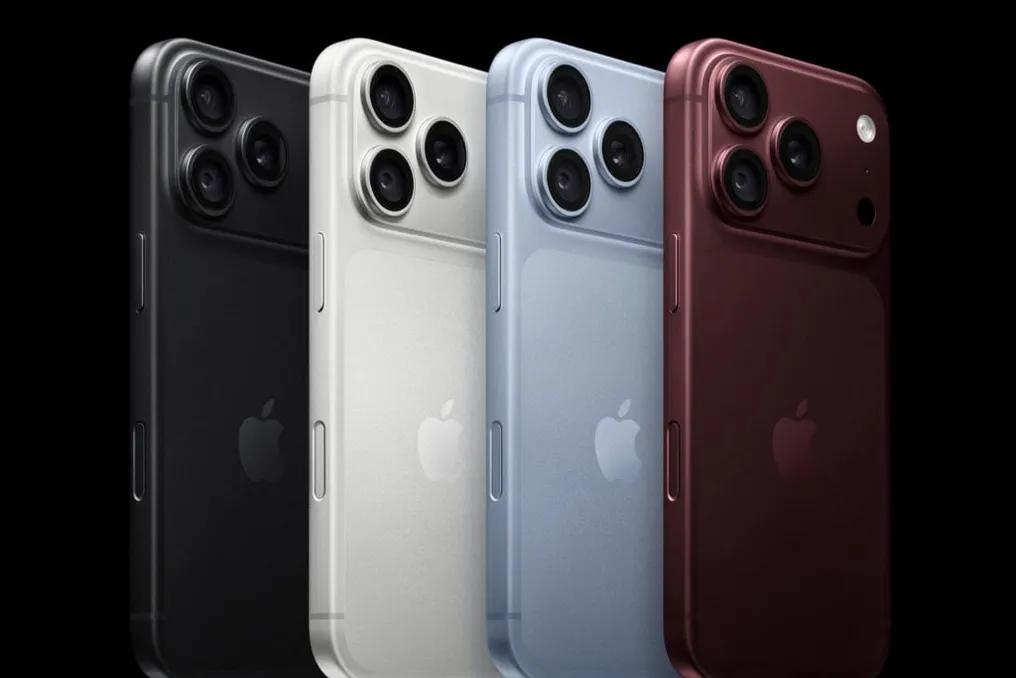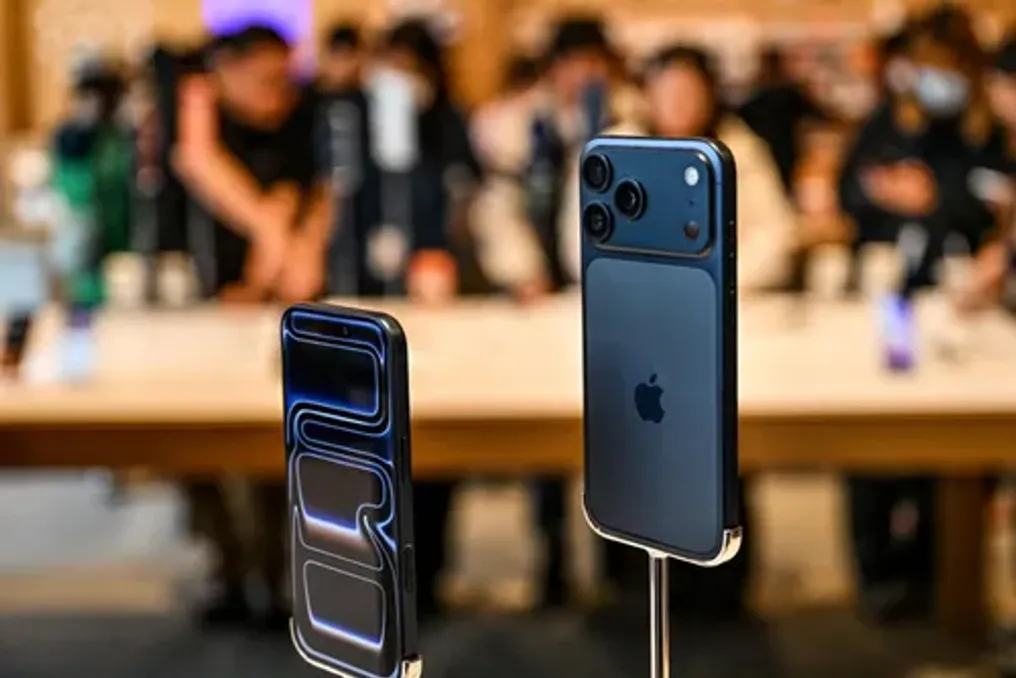
When testing the new iPhone 18 Pro and Pro Max models upon their release, the main question arises: is the performance boost provided by the updated A20 chip, improved graphics processor, and base storage of 256 GB enough to motivate users to switch from the iPhone 16 or iPhone 17?
On paper, the technical specifications look impressive. The new A20 chip and the claimed 40% increase in graphics processor performance promise faster data processing, potential energy efficiency improvements, and smoother visualization.
Nevertheless, the 16th and 17th generation devices already possess exceptional functionality. Therefore, convincing an owner of a recent model to upgrade, despite the hardware advancements, seems like a difficult task.
Another debatable point is the memory capacity. The author uses the iPhone 16e model with 128 GB of base storage, which seems extremely small, especially when regularly shooting 4K video. While it is nice that the iPhone 18 Pro starts with 256 GB, the price of approximately R30,000 for the Pro device raises a question: shouldn't the standard base level already be 512 GB?
Beyond the technical specifications, the author expects to feel something fundamentally new during practical use—be it a change in ergonomics, a fresh design feel, or attractive new color options. However, a brief phone test rarely allows for an assessment of real battery life, so the author wants to check if tasks like intensive gaming or multitasking feel noticeably different.
Deep down, everyone knows about the update cycle: every time you look for a reason to buy the newest model, you find as many reasons to stick with what you have. The author approaches Friday without expecting a miracle, but leaves room for pleasant surprise.