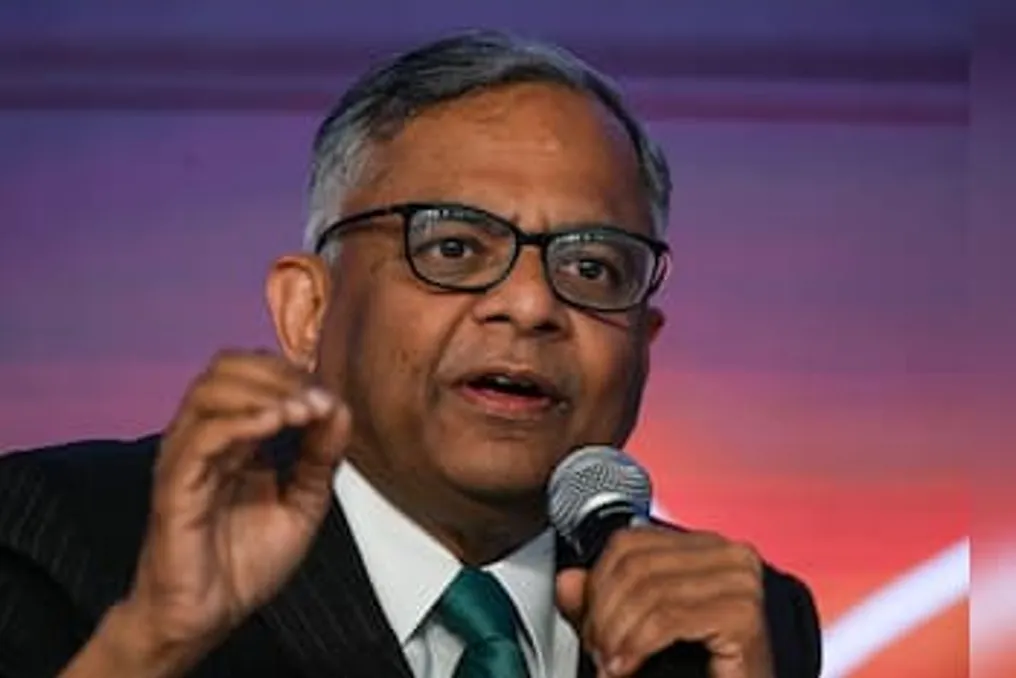
The board of the Tata Group holding company plans to hold a meeting on Thursday to discuss how to respond to the requirement put forward by the central bank of India regarding listing. Among the issues to be considered will be the possibility of asking the incumbent chairman, Natarajan Chandrasekaran, to remain in his post.
According to informed sources, the discussion of the Nomination and Remuneration Committee's recommendations has been suddenly added to the agenda. This committee is expected to propose a review of Chandrasekaran's resignation decision, according to anonymous individuals discussing internal affairs.
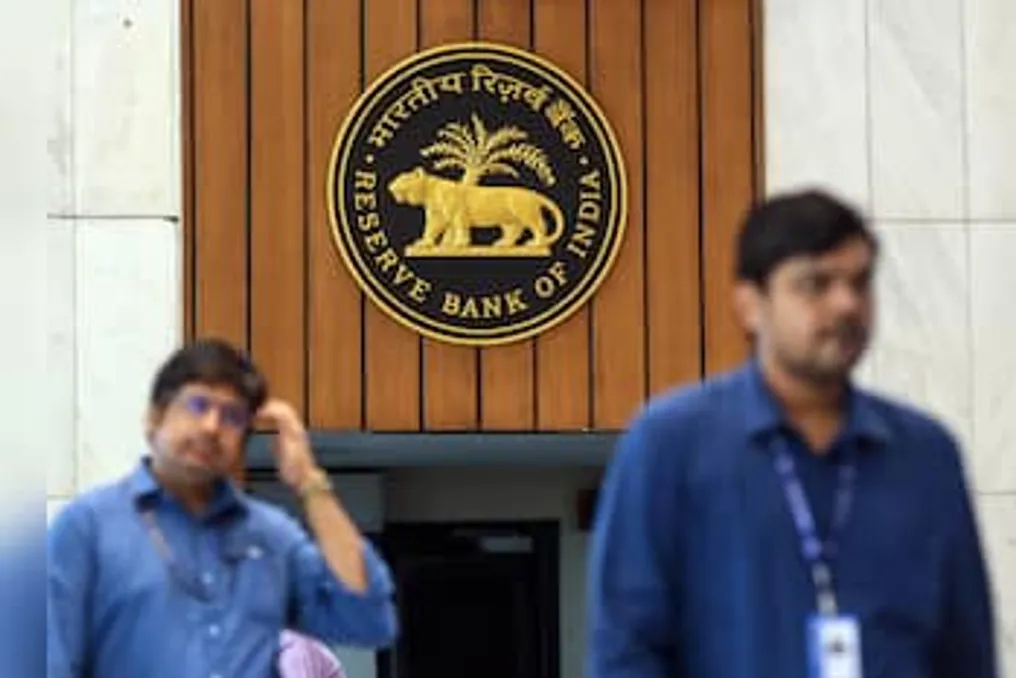
The Reserve Bank of India's (RBI) refusal to relax listing rules for Tata Sons Pvt has turned a routine board meeting into a discussion about the strategic future of the company.
Chandra, as he is often called, announced last month his plans to step down at the end of his term in February, which forced the group to prepare for a change in leadership. His planned departure followed months of disagreements with Tata Trusts chairman Noel Tata over the issue of listing and capital distribution within the vast corporation.
A representative of Tata Sons did not immediately respond to requests for comment.
Previously, Tata Sons had requested an exemption from the listing requirement to avoid closer regulatory scrutiny and expanded public disclosure. A public float could require the holding company to disclose a much larger volume of data on the finances and management of its diverse enterprises—from steel and automobiles to software, aviation, and consumer goods—and could weaken the influence of Tata Trusts, the group of charitable organizations controlling the company.
After rejecting Tata Sons' request for exemption from the initial public offering, the RBI also filed a caveat in the Bombay High Court to ensure that its position would be heard before any decision is made if Tata Sons seeks legal recourse, as reported by The Economic Times. This newspaper first reported the possibility that the NRC might ask Chandraraj to reconsider his decision on Sunday.
InGovern Research, a proxy voting consultant, stated in a September 16 report: 'Tata Sons and Tata Trusts should work on the Tata Sons IPO, not continue protracted litigation or seek alternative structures aimed at maintaining non-listed status.' It also noted: 'The RBI demonstrated its persistence by filing a caveat in the Bombay High Court.'
Tata Group values its current ownership structure, asserting that it allows the business to look at its portfolio in the long term without pressure from the public market. The group, with revenues of $185 billion, controls more than two dozen listed companies and plays a key role in India's high-tech ambitions, having committed to manufacturing the first indigenous semiconductor chips.
The RBI's demand for a public float aligns with long-standing requests from the Shapoorji Pallonji Group, the largest minority shareholder of Tata Sons, who is facing financial difficulties and has insisted on listing to unlock the value of their 18.4% stake.
Besides providing liquidity for the SP Group and other listed Tata companies holding stakes in Tata Sons, listing will provide flexibility in raising capital and 'subject Tata Trusts' special rights to closer scrutiny,' according to InGovern Research.