European Commission President Ursula von der Leyen announced on Wednesday the creation of a 'climate insurance alliance' aimed at increasing coverage for risks associated with extreme weather events. This decision was made against the backdrop of a summer marked by drought, wildfires, and heatwaves.
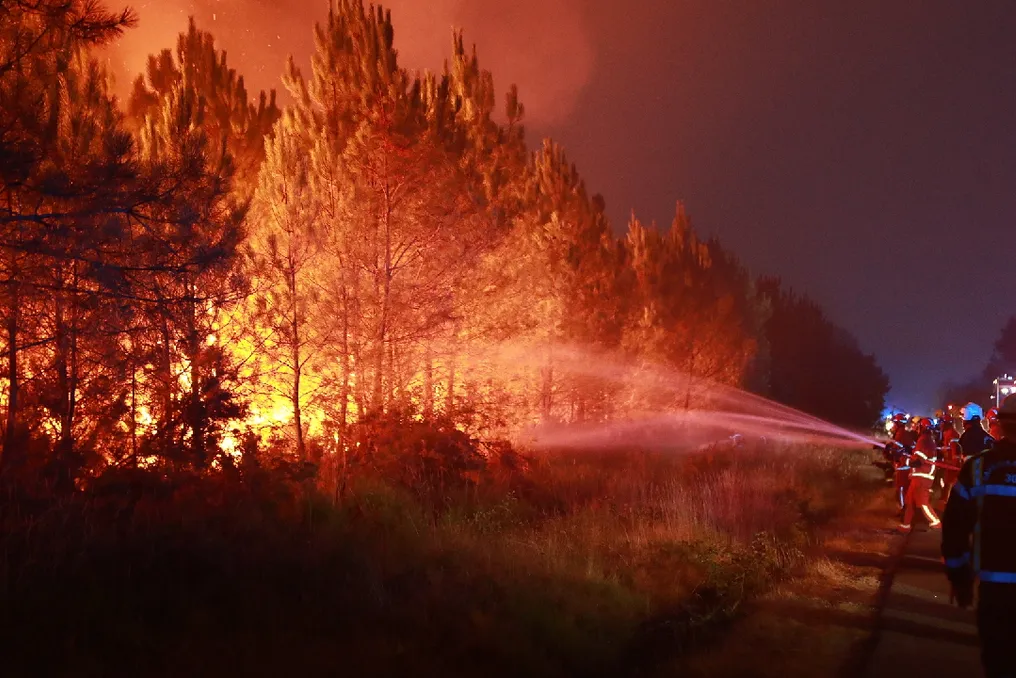
Climate change has made Europe the continent that is warming fastest in the world, heating up twice as fast as the global average. The wildfire season this year was one of the worst in European history, and a series of heatwaves led to dozens of deaths, disruptions to energy supply, reduced labor productivity, and the closure of educational institutions.
According to EU data, only a quarter of the economic losses in the bloc related to climate are insured. The new scheme planned by the EU will bring together insurers, investors, risk modeling specialists, public authorities, and policyholders to raise the level of insurance coverage.
In her address to the European Parliament, von der Leyen emphasized that national budgets too often have to act as the last resort insurer and stated the need to take measures to eliminate this gap.
The alliance will focus on identifying and promoting tools capable of minimizing risks. Such tools include group insurance or parametric insurance, where payouts are automatically triggered when predefined thresholds are exceeded, such as temperature levels or rainfall amounts.
Despite the EU's ambitious policy on reducing greenhouse gas emissions causing climate change, the bloc hesitated in preparing for the consequences of global warming. Independent EU climate advisors warned back in February about Europe's insufficient investment in climate change adaptation, calling for action, including improved planning to avoid building housing in flood zones and developing cities that help people stay cool during heatwaves.
Von der Leyen called for a 'sharp increase in preparedness.' Furthermore, she announced other initiatives: a 'climate resilience' strategy, which is due to be presented in October and concerns managing climate risks in 100 vulnerable areas of Europe; a heatwave combat plan aimed at improving early warning systems; and an EU water management plan designed to strengthen drought risk management.
Additionally, Brussels appealed to senior firefighters to propose ways to better manage wildfires, including the possibility of the EU creating its own firefighting fleet.