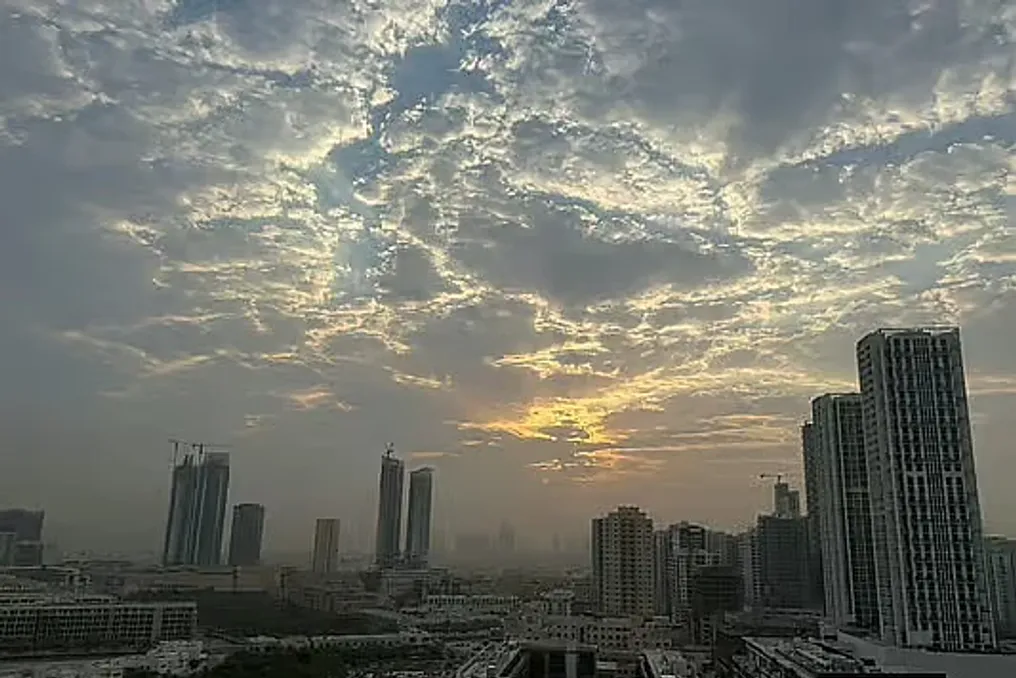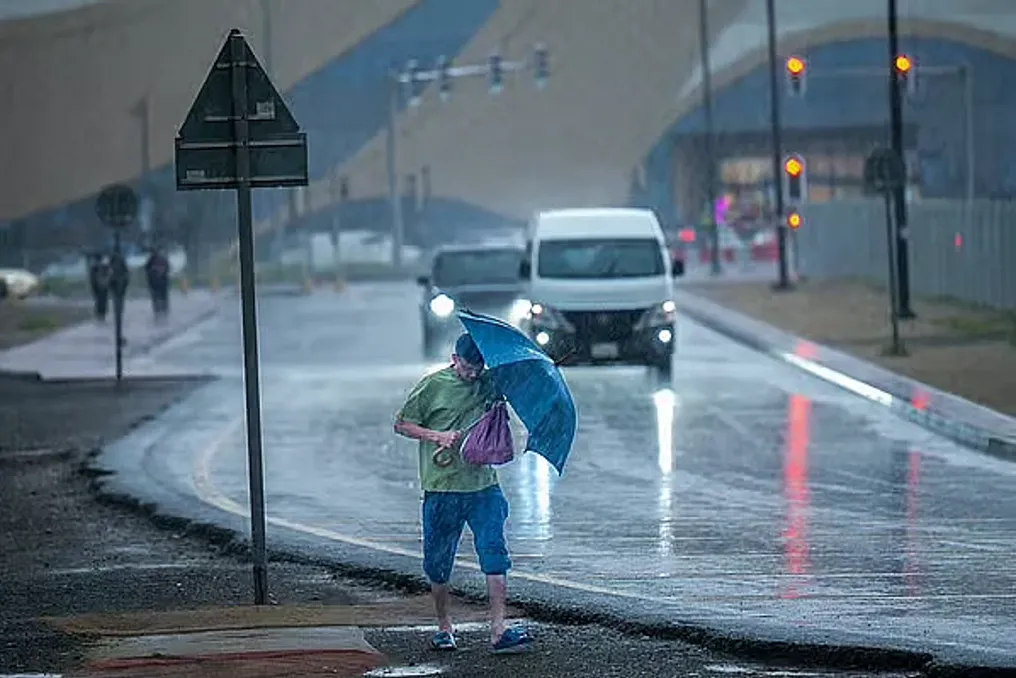
According to an expert from the National Center of Meteorology (NCM), some long-term weather forecasts indicate that the UAE is expected to receive above-average rainfall in the coming months, from October to January, as the country transitions into a cooler and wetter season.
However, Ahmed Habib, an NCM meteorologist, warned in an interview with Khaleej Times that residents should not interpret this forecast as a signal of approaching extreme storms or floods directly related to the El Niño phenomenon. Although some models suggest wetter weather, the exact amount of precipitation remains uncertain.
Habib noted: 'Some models show that rainfall will be above average in the coming months, from October and November until January. But no one can give an exact figure with certainty.'
These clarifications came against the backdrop of growing interest in the current El Niño—a climate phenomenon characterized by abnormally warm surface water in the eastern part of the tropical Pacific Ocean. While this phenomenon can affect weather conditions worldwide, its presence alone does not guarantee extreme weather in any specific country.
NCM, in a statement on September 11, described the current El Niño as 'very strong' and considers it a sign of favorable rainfall. Nevertheless, the center emphasized that such rainfall could be accompanied by heavy rains if suitable weather conditions develop over the UAE.
It is important for UAE residents to understand the difference: El Niño is a global climate signal, whereas local weather depends on atmospheric conditions developing over the region. Habib explained that El Niño does not affect the UAE in isolation; rather, its impact is felt through broader changes in atmospheric circulation, with the final effect varying from region to region.
He added that 'El Niño does not affect the UAE [directly]. It is a global climate phenomenon that affects the whole world—perhaps East Asia, Europe, or America.'
Historical weather records also show that El Niño has occurred during certain periods and been absent during others. NCM also seeks to debunk viral social media posts warning residents about severe flooding or unusually heavy rainfall as a direct result of El Niño.
Residents are strongly advised to rely on official forecasts and warnings from NCM, rather than statements from social media, when assessing the risk of rain or severe weather. Although the global climate pattern may influence atmospheric circulation, local weather systems ultimately determine whether conditions conducive to precipitation will arise over the UAE.
Significant rainfall requires a combination of several atmospheric components, including moisture, water vapor, surface and upper air temperatures, as well as suitable barometric systems. Habib explained that atmospheric features such as 'Rossby waves' can influence where weather systems and heavy rains form.
He concluded: 'Where [extreme weather occurs], no one knows right now because it will depend on the barometric system. Perhaps over the Middle East, but which country, no one knows—perhaps in the Persian Gulf or somewhere else.'
This means that even with an active El Niño, there is no basis to predict a specific weather event in the UAE solely based on the climate pattern. Habib stated: 'Currently, El Niño is active in the ocean, but the barometric system in our region is not leading to conditions for extreme weather.'
Nevertheless, conditions can change as the season develops, so long-term indications of wetter weather should be considered separately from short-term forecasts. At present, UAE residents can expect a normal gradual transition into autumn, with temperatures remaining high before weakening later in the season. Habib added that 'Daytime temperatures can still reach 44°C – 46°C, while increased nighttime humidity may increase the likelihood of fog or haze, especially in coastal areas.'