As of September 16, macroeconomic factors have once again become more significant in the metals market than traditional supply and demand dynamics. Investors are closely watching the decision of the U.S. Federal Reserve, as the market has almost entirely priced in a 25 basis point rate hike.
Some metals are attempting to recover from the downturn, but the overall situation remains tense: inflationary risks persist due to oil, bond yields remain high, and the dollar is strong.
Gold is trading at approximately $4330 per ounce, while silver has risen to about $64.6 per ounce after falling earlier in the week. Both metals received short-term support due to cautious buying ahead of the Fed meeting, but the key question is how hawkish the regulator will be.
If the Fed limits the increase to one rate hike and hints at a softer approach to future steps, gold and silver may continue to rise. However, if the U.S. central bank signals readiness for a series of further rate hikes, pressure on precious metals could quickly return.
The situation with gold is particularly complex. On one hand, geopolitical risks and doubts about the sustainability of the global economy support interest in safe-haven assets. On the other hand, higher interest rates and yields make non-yielding assets less attractive. This is why gold is not receiving the usual strong support from Middle East tensions: the market accounts not only for the conflict itself but also for its inflationary impact through oil and logistics.
Platinum and palladium have also slightly recovered after recent declines. Platinum is trading around $1790 per ounce, and palladium is around $1310 per ounce. In the short term, both metals move with the broader precious metals sector and depend on the dollar exchange rate, interest rates, and risk appetite. Nevertheless, their fundamentals differ: platinum is supported by expectations of supply shortages, whereas palladium faces more complex long-term demand prospects due to the growing share of electric vehicles and gradual replacement in automotive catalysts.
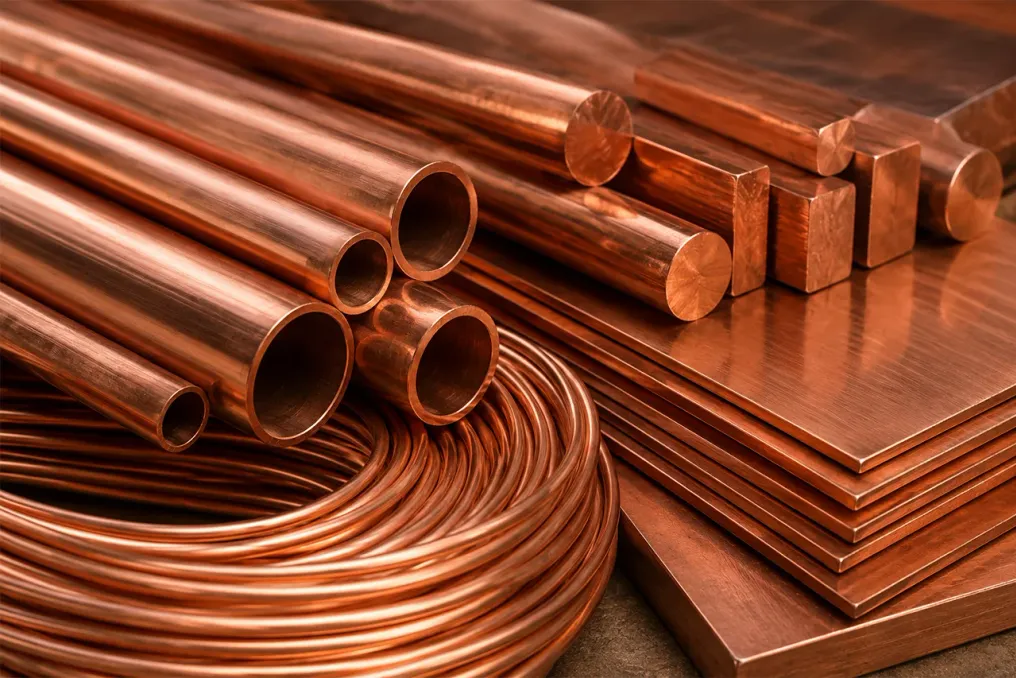
In the industrial metals segment, copper plays the main role. Its price is holding at about $6.4 per pound, which is below recent peaks but still at a very high level. The market cooled somewhat after the August surge, when expectations of U.S. import tariffs sharply altered trade flows and directed significant volumes of the metal into U.S. warehouses. Some of this pressure has eased, but fundamental support remains: copper is still essential for power generation, data centers, electrical grids, and artificial intelligence projects.
Zinc is one of the most interesting metals in the industrial group. After rising almost to $4000 per ton, the market has stabilized somewhat, but prices remain close to multi-year highs. The main factor here is the shortage of easily accessible metal. LME inventories are considered low, and mining and processing issues in various regions suggest that the deficit may not be a short-term spike but a deeper shift in supply.
Aluminum is trading at about $3250 per ton and appears calmer than copper and zinc. The market is balancing two factors. On one hand, low inventories and supply disruptions in some regions continue to support prices. On the other hand, expectations of gradual production and supply recovery prevent aluminum from accelerating as sharply as copper or zinc. For buyers, this means the market remains tight but without panic.
Overall, by mid-September, the metals market has once again split into two distinct trends. Precious metals await the Fed's decision and depend on how the regulator explains the future path of interest rates. Industrial metals look deeper—at actual inventories, trade flows, and long-term demand from energy, infrastructure, and technology. Thus, the key question now is not only whether the Fed will raise rates, but also how quickly the metals market can transition from macroeconomic concerns to the fundamental story of supply shortage.