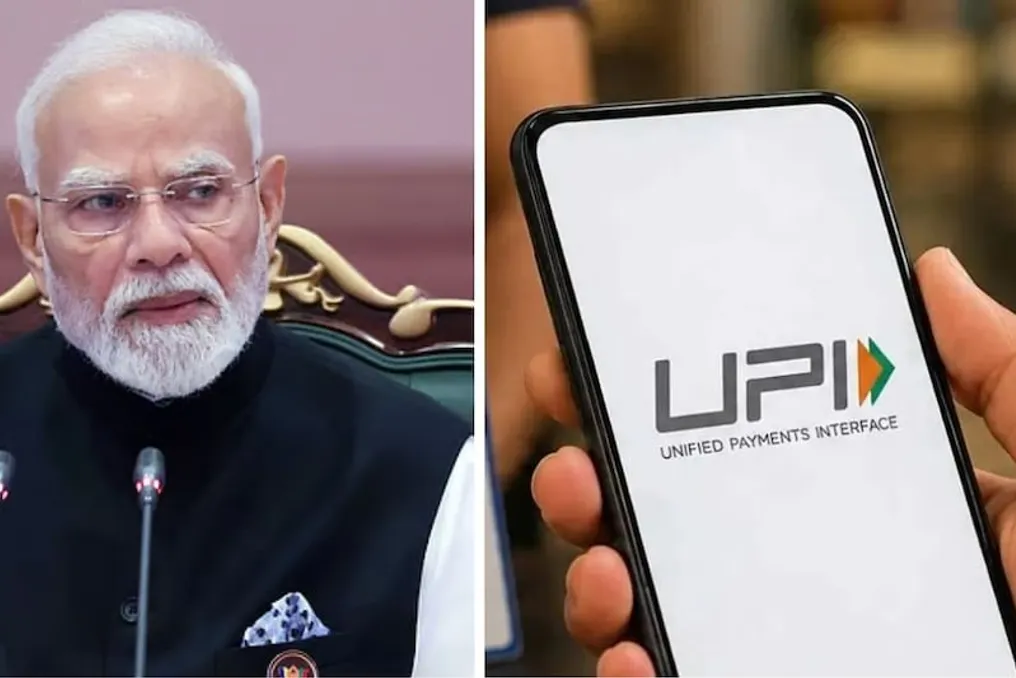
The Ministry of Finance stated on Wednesday that policy decisions are made independently, with the aim of creating an accessible, inclusive, and self-sufficient digital payment ecosystem. This statement came amid demands from opposition parties and trade groups to revise the decision to introduce a merchant discount rate (MDR) of 0.4 percent for transactions exceeding 2000 Indian Rupees conducted via UPI.
Ashwani Mahajan, national co-chairman of Swadeshi Jagran Manch (SJM), an analytical center affiliated with the Rashtriya Swayamsevak Sangh (RSS), called on the government to reconsider this decision, calling it 'extremely regrettable.' In a video address on X, Rahul Gandhi, the opposition leader in the Lok Sabha, demanded the cancellation of this levy. Gandhi argued that the government is taxing every Indian by imposing taxes on UPI and transferring significant funds to the US.
To refute the 'myth of external pressure,' the Union Ministry of Finance reported that since the launch of UPI in 2016, the system has transformed into the world's largest interoperable payment system, which has developed 'entirely on India's own terms.' The Ministry clarified that UPI processed 24.5 billion transactions only in August 2026.
The Ministry of Finance explained that the small levy on high-value transactions helps maintain the system's self-sufficiency, security, and innovation. These funds are directed towards improving infrastructure and cybersecurity, supporting small traders in Tier III–VI cities and rural areas, as well as raising awareness and stimulating UPI usage.
Government sources confirmed that there is no discussion about revising the MDR issue. When a senior official was asked about the possible withdrawal of the MDR notification, which comes into effect on October 15, he stated that the decision has already been made and will not be revoked.
Nevertheless, some circles within the government and the broader Sangh Parivar acknowledged the 'poor image' of this notification, as it appeared just a few days after India successfully hosted the BRICS summit, where accessible digital public infrastructure was showcased.
Sources in Laghu Udyog Bharti, an organization affiliated with the RSS representing the interests of small and medium businesses and traders, reported that their stakeholders expressed concern over the MDR. Mahajan from SJM countered that banks did not demand the introduction of MDR. He argued that UPI reduced banks' operational costs, leading to the closure of many unnecessary ATMs, and that banks should be satisfied with a zero-MDR system. In his view, UPI is a public good that facilitates simplified business operations, and cybersecurity and other costs are part of the banks' own activities.
Referencing concerns raised by the United States Trade Representative (USTR) regarding the zero-MDR regime for UPI, Mahajan speculated that this was related to American card companies losing ground to UPI, and India beginning to save a significant amount of foreign exchange expenses from these companies. The SJM national co-chairman stated that introducing MDR 'diminishes the achievement of Bharat, which has global appeal.'
Congress leader Rahul Gandhi accused the government of submitting to American dictates. He also mentioned that the White House restricted H-1B visas for Indians, and the US House of Representatives passed a resolution authorizing President Donald Trump to impose 100% tariffs on countries like India that purchase Russian crude oil. In response, the Bharatiya Janata Party accused Congress of spreading 'fake news' and stated that the government had clearly informed that consumers would not pay MDR duties. Leaders of the Rashtriya Janata Dal and left-wing parties labeled this an anti-people decision made under US pressure.
At a parliamentary finance committee meeting on Wednesday morning, opposition deputies declared a 'sense of outrage' across the country.