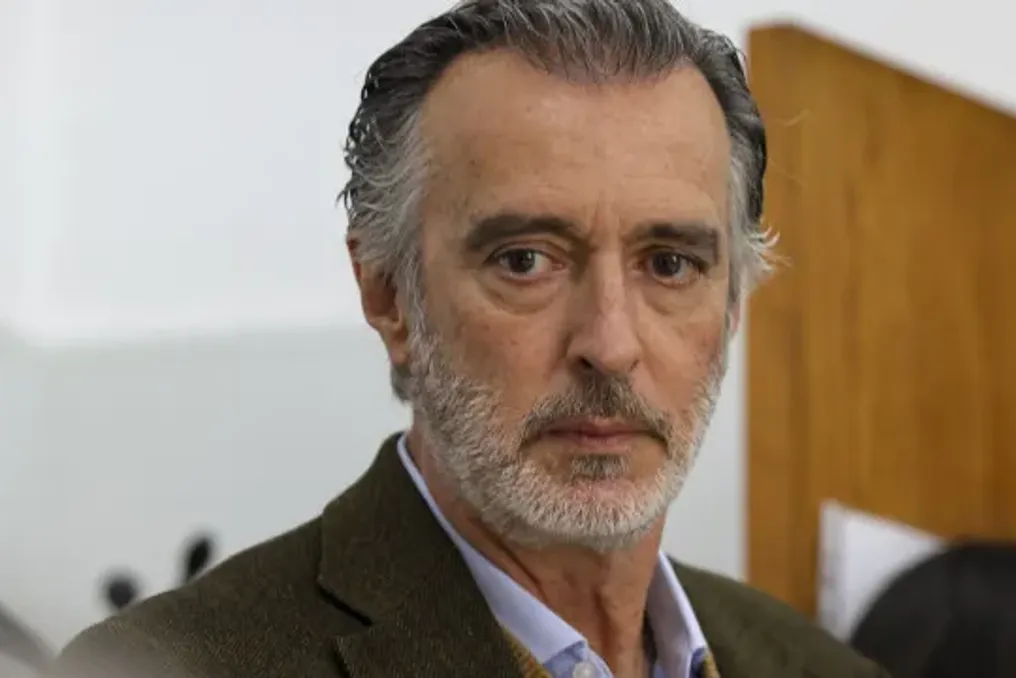
Member of the European Parliament Cotrim Figueiredo criticized the prohibitive approach regarding minors' access to social media. In statements made to journalists in Strasbourg, France, he argued that this solution is not entirely effective, citing examples from Australia and the United Kingdom.
Figueiredo contested that focusing solely on prohibition ignores the need to investigate the platforms themselves, especially their inherently manipulative design. He emphasized that processes in the United States demonstrate that internet platforms are aware of the addictive nature of their designs and are conscious of the harm they can cause to mental health, regardless of the user's age.
For this reason, the deputy advocates that the fight should focus on the design of these products themselves, requiring them to be subjected to regulation, limitation, and taxation, following the model applied to other harmful items.
In this context, the President of the European Commission announced the intention to propose restricting access to social media for children under 13 and requiring personal accounts for young people under 15.
During her speech on the State of the Union, Ursula Von der Leyen informed that the European Commission will present the EU Kids Act on Thursday. This legislation aims to protect minors from dangerous content on the internet, using different approaches according to age group.
The head of the European executive also defended that online platforms producing content for young people between 15 and 18 years old must implement a safe design, being subject to other measures to combat addictive design.
In his response to Von der Leyen's speech, Cotrim Figueiredo praised a point raised by the Commission President. He positively commented on the action directed at the Council of Europe countries that were obstructing the application of the 28th regime of uniform company formation across Europe.
According to him, these countries sought to restrict such principles only to new companies or specific sectors, aiming to protect their local industries. Figueiredo defended that the Commission acted correctly in rejecting these proposals, as the objective is to facilitate the creation or expansion of any company, at any time and in any sector.
Additionally, Cotrim Figueiredo highlighted an aspect he found interesting in the speech: none of the three major novelties presented has constitutional coverage. He pointed out that the admission of Canada as an associate member, the creation of a European Security Council, or the convocation of a European Congress are nonexistent figures under the current structure.
The deputy speculated that this set of proposals could signal an attempt to initiate the institutional reform process, something considered absolutely necessary for Europe. If consensus for reform is not reached, he suggested that the change could occur through major deliberations in a newly created European Congress, defined by a new architecture and institutionalization.
To conclude, the President of the European Commission proposed the accession of Canada as the first associate member of the European Union, defended the establishment of a European Security Council to ensure a coordinated response to external threats, and announced the holding of a new European Congress next year to reflect on the future of the bloc and celebrate the 70th anniversary of the Treaty of Rome.