
UAE Central Bank raises overnight deposit rate after US Federal Reserve hike
Read more
Khaleej Times
www.khaleejtimes.com

UAE Central Bank raises overnight deposit rate after US Federal Reserve hike

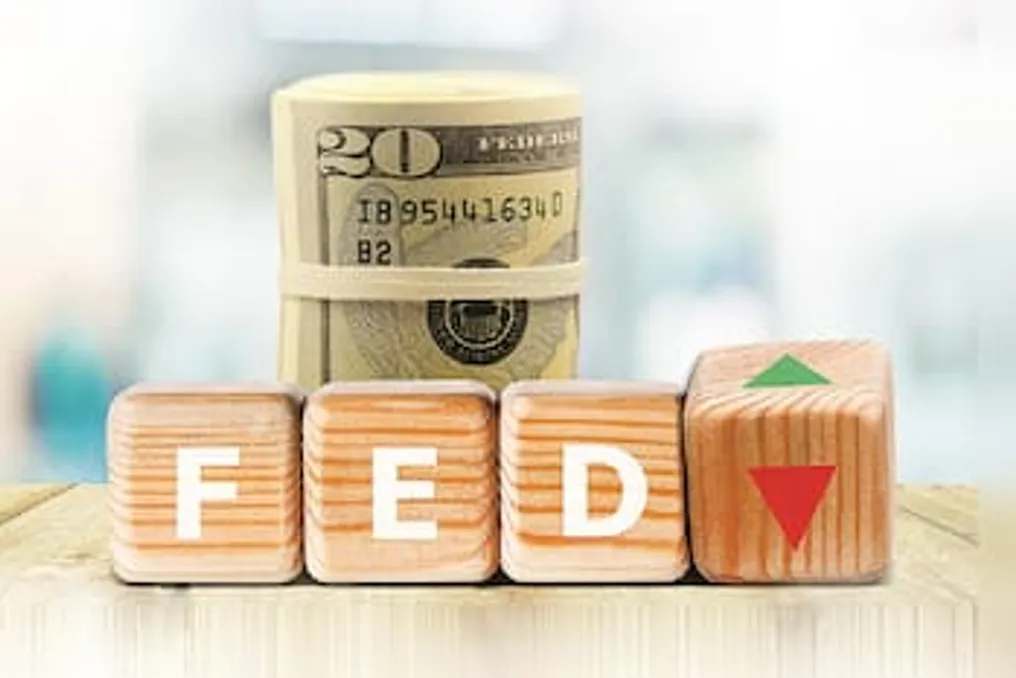
The Central Bank of the United Arab Emirates (UAE) raised its Base Rate for the Overnight Deposit Mechanism by 25 basis points on Wednesday, bringing it to 3.90%. This decision followed the expected quarter-point interest rate hike by the US Federal Reserve.

This move aligns with the UAE's long-standing policy of pegging key rates to US rates, which is driven by the dirham's peg to the dollar. This system helps maintain monetary stability and currency competitiveness.

According to Vijay Valechi, Chief Investment Officer at Century Financial, the Fed's decision was largely predictable after a three-year hiatus in action. He noted: 'The dirham is pegged to the dollar, so the UAE Central Bank usually follows the Fed in changing its Base Rate.'

The Base Rate, previously at 3.65%, serves as a benchmark for overnight money market rates, and the interbank benchmark EIBOR closely correlates with it.

Valechi suggested that the rate hike will likely affect the cost of floating-rate mortgages and corporate borrowing costs. He added that rising rates increase interest rates across the entire system, which could raise expenses for companies already facing higher energy and freight prices.

Madhur Kakkar, founder and CEO of Elevate Financial Services, had predicted this move even before the Fed's announcement, stating that the 25 basis point increase would raise the UAE Base Rate from 3.65% to 3.90%. He emphasized that due to the dirham's peg to the US dollar, the UAE Central Bank would likely closely follow this step.

Kakkar also reported that the impact on consumers will be gradual. He believes that depositors will notice improved returns on savings and term deposits sooner than borrowers will face increased loan repayment costs. In his estimation, a 25 basis point increase on a 1.5 million dirham mortgage over 25 years would add about 210 dirhams to monthly payments, or approximately 2,500 dirhams annually.

Analysts agree that markets will now focus on future Fed policy and whether regulators will maintain a high-interest-rate stance for an extended period until 2027.
Similar stories

US Federal Reserve raises interest rate by 25 basis points to the range of 3.75–4%
Read more
business-standard.com

US Federal Reserve raises interest rate by 25 basis points to the range of 3.75–4%

The US Federal Reserve raised interest rates on Wednesday and warned of a possible further increase in borrowing costs in the coming months. The new head of the US central bank, Kevin Warsh, joined the unanimous decision, which effectively acknowledges the Trump administration's current inability to control inflation.

Despite President Donald Trump's promises to lower prices during his term, the combined impact of global import tariffs, the energy shock following the start of the war between the US and Iran with Israel, and capital expenditures related to the artificial intelligence boom maintains price pressure at a sufficiently high level. This prompted the Fed to raise its benchmark rate by a quarter of a percentage point, bringing it to the range of 3.75–4.00%.

New policy forecasts showed that 16 out of 18 decision-makers expect at least one more rate hike of a quarter of a percentage point by the end of the current year, while only two see stable rates from this point onward. Warsh apparently did not provide a rate forecast again.

This was the first policy adjustment under the new Fed chair, who took office at the end of May after being selected by Trump amid expectations of rate cuts. However, the Fed's new statement and economic forecasts, on the contrary, indicate that the central bank is opening the door to tightening monetary policy over the next year, forecasting a rate increase to the range of 4.00–4.25% by the end of this year and maintaining that level until the end of 2027.

The central bank stated in its policy statement after the two-day meeting that 'today's policy action will support a more timely achievement of the Committee's 2% target.' Although the statement provided no indications regarding future decisions, consistent with Warsh's preference, this decision likely removes doubts that the Fed chair would refrain from tightening policy out of respect for Trump—an issue that remained relevant in the early months of his tenure.

The statement excluded a previous reference linking current high inflation to 'supply shocks,' particularly in the energy sector, which is an acknowledgment of concerns among politicians, including Warsh, that price pressure is too widespread for a comfortable state.

Warsh has scheduled a press conference, starting at 2:30 PM EDT (18:30 GMT), to elaborate on the decision made.

Popular