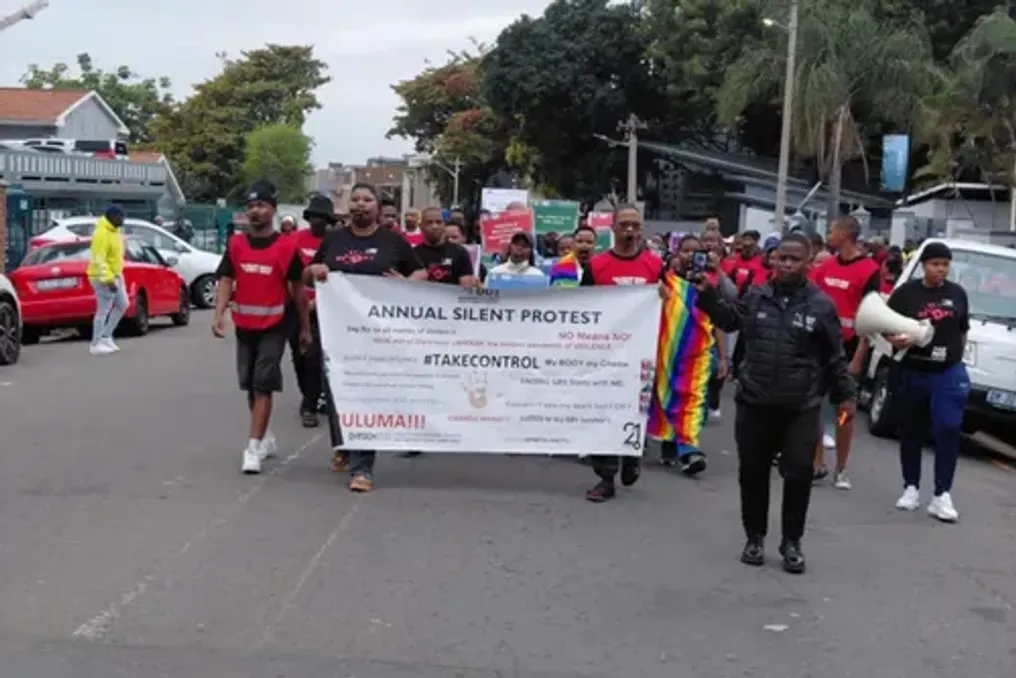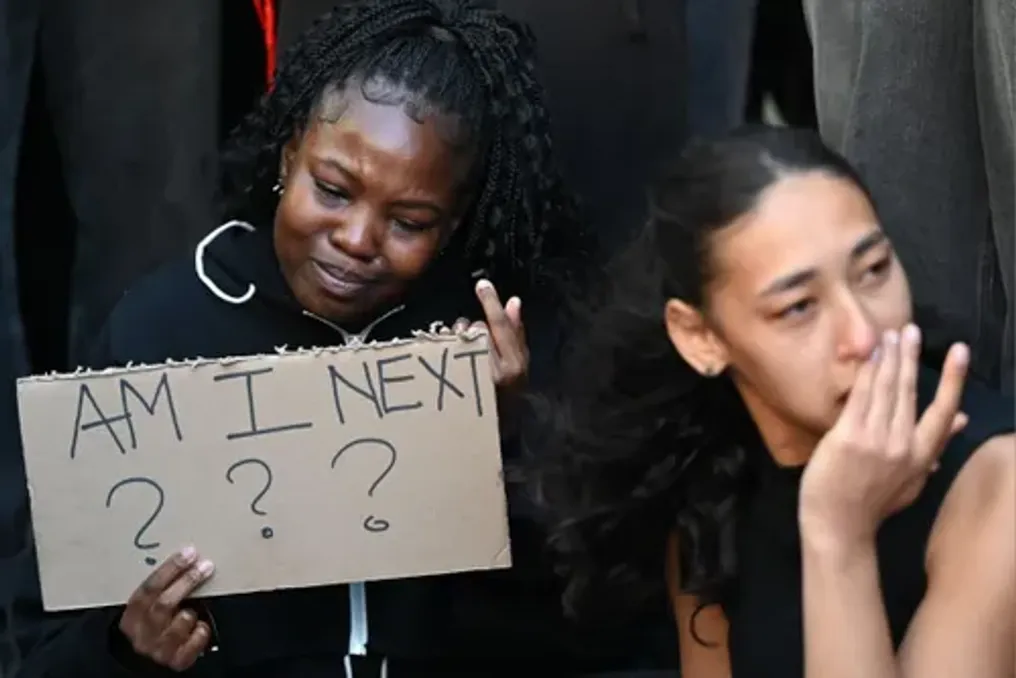
South Africa has declared gender-based violence (GBV) a natural disaster, but this status alone does not ensure the saving of lives. On September 16, a 30-minute silent protest against violence against women took place at Good Hope Castle and in front of the Cape Town central police station. Participants, dressed in black, gathered in silence to honor the memory of women killed by violence and to support those who continue to live in fear.
The discovery of eight murdered women within the Ekurhuleni metropolitan area between July and September 2026 plunged the nation into a grim realization. Every body found tied up, brutally beaten, and discarded serves not only as evidence of a crime but also as a constant reminder of the daily vulnerability of women in South Africa.
The first victim, a 37-year-old woman, was discovered on July 15 near the R21 highway in Rodsfield, Kempton Park. She was found naked and tied with cable ties, foreshadowing a series of murders that spanned two months. By mid-September, eight female bodies had been found across Ekurhuleni.
The police are continuing the investigation to determine if these deaths are connected, possibly committed by a serial killer. However, a deeper question remains: why were several discoveries necessary before a specialized task force was formed? The slow escalation raises uncomfortable questions: were protocols for suspected serial offenders followed? Were detectives, forensic experts, and technology deployed promptly enough? Did failures in leadership at the station or provincial level delay decisive action? And most seriously—was the community warned of the danger, or were they left uninformed until it was reported in the media?
The Constitutional Court ruling in the case of AK v Minister of Police was not just a legal victory for one survivor of rape—it became a national indictment of the failures of the South African law enforcement system. For a long time, women were told to trust a system that regularly let them down. This decision lifted the veil, exposing negligence that had become almost routine in gender-based violence investigations.
In December 2010, a woman was abducted near Kings Beach in Gqeberha and subjected to 15 hours of rape and torture. The police conducted searches—on foot, with dogs, and even by helicopter—but could not find her. She managed to escape on her own. Years later, she sued the Minister of Police, alleging that the omissions during the investigation were negligent. The Constitutional Court agreed, reinstating accountability after lower courts had cleared the police of fault.
The ruling was unequivocal: the police have a constitutional duty to act reasonably and effectively in protecting citizens, especially in cases of gender-based violence. This judgment was supposed to be a turning point, placing the SAPS under constitutional scrutiny and demanding higher standards in searches, forensic work, and victim support. It warned that failures would no longer be covered up by bureaucratic excuses.
Nevertheless, years later, the discovery of serial killings in Ekurhuleni demonstrates how little has changed. Task forces are assembled too late, communities remain unaware, and leadership remains sluggish. Although the ruling provided survivors with a powerful tool—the ability to sue for damages when the police fail them—litigation is not prevention. It is a painful and costly path that begins only after harm has been inflicted. South Africa needs a police force that acts urgently, before women are forced to seek justice in court.
Gender-based violence is not just a crime epidemic; it is a constitutional crisis. Every failure in an investigation is a betrayal of the promise enshrined in our Bill of Rights. The Constitutional Court has spoken. The question is whether the police will listen—or if women will continue to save themselves while justice arrives too late.
President Cyril Ramaphosa has repeatedly stated the priority of GBV at the national level. In 2018, he convened the first summit, promising systemic reforms. In 2024, he signed the National Council on Gender-Based Violence and Femicide Act. In 2025, he classified GBV as a 'national catastrophe'. On July 31, 2026, he appointed members of the National Council to provide strategic guidance until 2029. However, while these appointments were being made, bodies were being found across Ekurhuleni. This timing highlights the gap between policy and real life.
On September 15, another woman was found in Pietermaritzburg—hands tied, burned, and dumped near a landfill. Her death is not an isolated tragedy but part of an unrelenting tide of violence sweeping the country. The annual '16 Days of Activism Against Gender-Based Violence,' held from November 25 to December 10, mobilized billions of rands for shelters, survivor services, and justice reforms. They raised awareness and accountability. Nevertheless, their impact is more symbolic than systemic. The rate of GBV remains stubbornly high, rooted in institutions, cultures, and traditions.
What happens after these 16 days? The truth is harsh: GBV is not a seasonal campaign, but a daily national emergency. It is systemic, widespread, and disproportionately affects women and girls. It destroys families, communities, and the very fabric of democracy. South Africa has declared GBV a catastrophe. But declarations alone are not enough to save lives. What is needed is relentless law enforcement, community mobilization, and leadership that acts before the headlines start screaming.
Until then, the painful question remains: is enough being done? Yogas Nair has been appointed co-chair of the GBV department.