The Swedish private equity firm EQT intends to invest approximately $50 billion in India by 2030. Of this amount, about $30 billion will be allocated to the development of data centers. This major player in private capital is significantly increasing its focus on artificial intelligence (AI), digital infrastructure, and technology in the country.
The proposed investments will cover data centers, renewable energy, and private equity. EQT expects that around $5 billion will go towards solar energy and renewables, while another $15–20 billion will be directed into private equity.
Jens Erik Salata, Chairman of EQT Group, stated at a press briefing in Mumbai that India is one of the most important markets for the company globally, not just in Asia. He noted that the company has already invested $26 billion in the country since its inception. Previously, the focus was on technology services, but now investments have expanded into healthcare, as well as significantly into digital data centers and infrastructure, which is likely becoming the most significant part of the investment strategy.
Salata emphasized that India will play a disproportionately large role in the company's future strategy due to the enormous opportunities being discussed.
Development of Data Center Investments
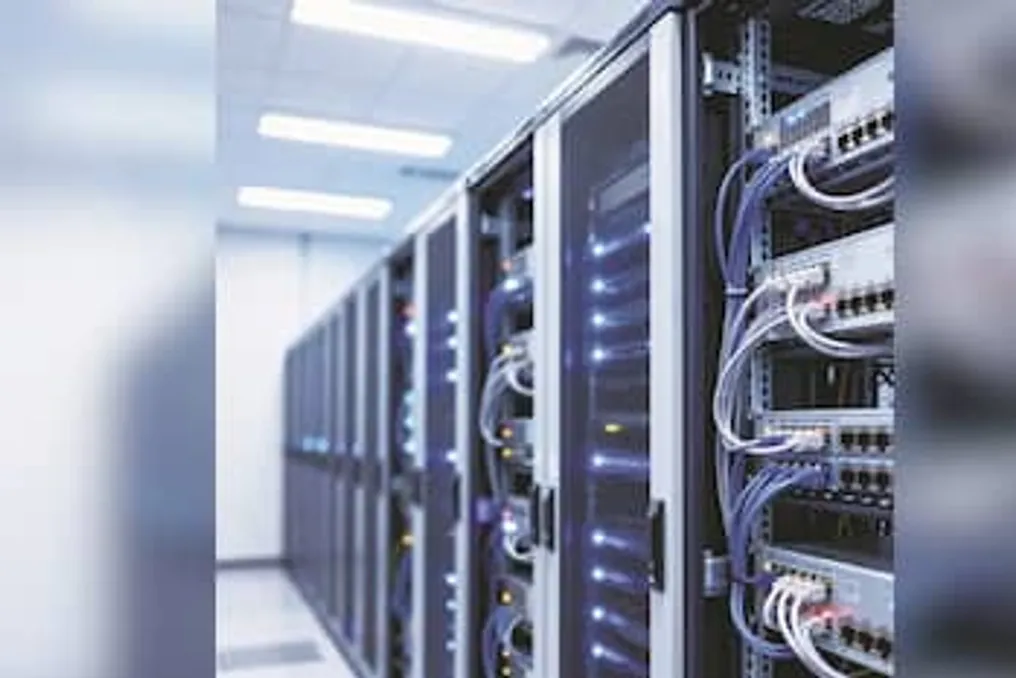
EQT has already committed about $10 billion to data centers in India and plans to invest an additional $20 billion by 2030, bringing the total investment in this segment to approximately $30 billion. A significant portion of this expansion will be carried out through EQT's global data center platform, EdgeConneX, and its joint venture AdaniConneX.
The company forecasts an increase in the capacity of its data centers in India from the current approximately one gigawatt (GW) to 5 GW. This growth is driven by the demand for computing infrastructure for AI, as hyperscalers lease data center capacity to provide cloud and AI services.
The investment strategy also reflects the evolution of EQT's presence in India over the past two decades. The company started with investments primarily in IT services and technology, then expanded into healthcare and pharmaceuticals, and more recently into digital infrastructure and data centers. Infrastructure is expected to become one of the largest areas for capital deployment in India.
Impact of AI on the Technology Sector
Hari Gopalakrishnan, Co-Chairman of Private Capital Asia, noted that just as the digital wave passed, technology service companies will also undergo an AI wave. He added that all companies in the portfolio are showing good growth.
This transformation is also visible in EQT's technology services portfolio, as AI is changing how enterprises consume technology. Salata believes that AI is definitely transforming the industry, but it is also currently a source of growth for it.
He also explained that businesses still require engineers and technology partners to implement AI, forcing IT service providers to revise their offerings, similar to what they did during previous technological shifts such as cloud computing and mobile technologies.
Nicolas Maxi, Co-Chairman of Private Capital Asia and Head of Mid-Market Asia at EQT, added that the biggest obstacle to AI adoption remains the shortage of skilled personnel to spread AI in the corporate sector, and the company's technology services portfolio is a key factor contributing to AI adoption.
Expanding Focus on Young Tech Companies
EQT also plans to expand its participation in India by focusing on younger technology companies. The company is preparing an early-stage strategy for Asia, which is expected to evolve into a regional program that includes India. This strategy will target Series B and Series C companies where product-market fit has already been achieved.
EQT plans to allocate equity checks worth approximately $20–50 million for stakes of about 3–10 percent in such companies. Furthermore, the company is evaluating AI-focused businesses within its early-stage strategy.
This move will allow EQT access to the entire lifecycle of companies in India—from tech startups and mid-sized enterprises to mature companies through its flagship buyout funds—alongside investments in the infrastructure underpinning the AI economy.
Gopalakrishnan also reported that the total buyout market in India has increased sevenfold over the last 13 years, as more founders and family founders seek suitable options for their businesses. He added that buyout funds can provide this opportunity by assisting founding families with succession planning and finding a worthy place for the business they have built their whole lives. This also presents an opportunity for players like EQT, as founders want to know that you understand the business and know how to create value.