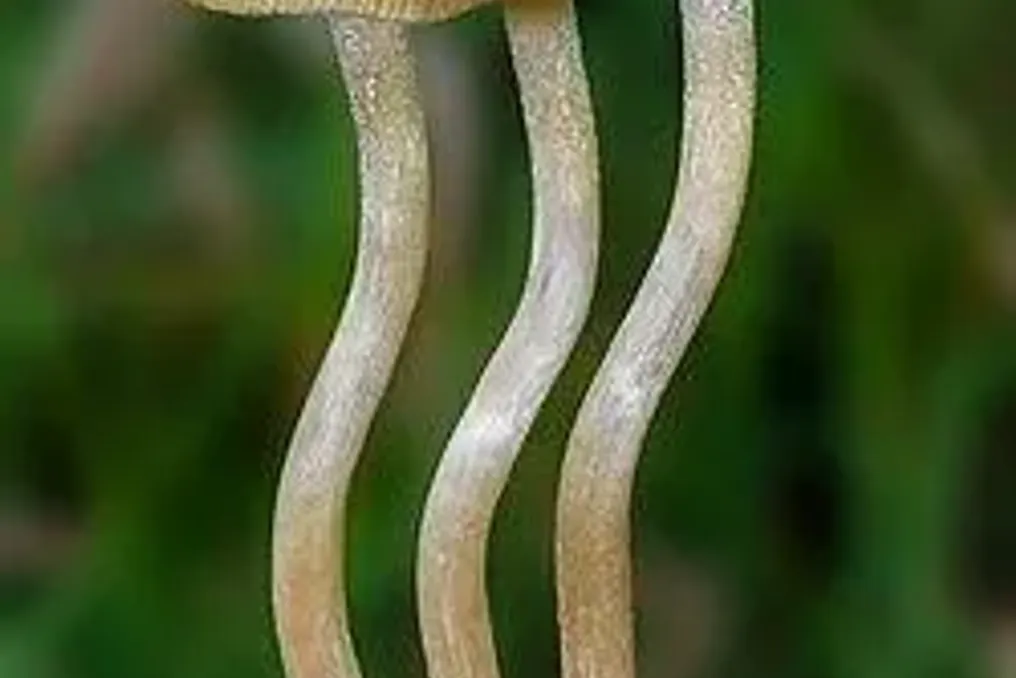
A new study is examining the potential use of psilocybin, found in mushrooms, to combat the unpleasant consequences of cancer treatment. It is proposed that this hallucinogenic substance be administered before chemotherapy begins to mitigate painful side effects.
The research, published in the journal Science this month, included trials on rats and specific human tissues. Scientists were investigating the potential of psilocybin in fighting peripheral neuropathy—a condition affecting millions worldwide.
Patrick Doherty, one of the study's co-authors, told reporters that this neurological disorder affects about three-quarters of all patients undergoing chemotherapy and often causes numbness and tingling. However, one-third of this group may experience constant burning pain.
According to Doherty, who specializes in pain management at the MD Anderson Cancer Center at the University of Texas, such symptoms can lead to mobility issues and other debilitating complications that persist even after completing the chemotherapy course, sometimes permanently.
This is not just a matter of quality of life; this complication also impacts the patient's chances of survival, as severe side effects sometimes force doctors to reduce or completely stop chemotherapy.
Scientists discovered psilocybin's ability to help cancer patients almost incidentally. Initially, the team was studying the mechanism by which the disease invades nerve cells for growth. Researchers were surprised to find that the mushroom component used to study the concept of brain pathway regeneration, known as neuroplasticity, actually prevented the development of peripheral neuropathy.
Subsequent experiments highlighted psilocybin's role in protecting nerve cells and stimulating mitochondrial transport within them, often referred to as the cell's energy center. This is critically important because chemotherapy destroys microscopic transport pathways that allow mitochondria to deliver energy to the tips of fingers and toes, thereby damaging nerve endings.
Furthermore, psilocybin appears to affect the brain by preserving electrical activity that chemotherapy suppresses. In rodents, taking two doses of psilocybin before chemotherapy proved sufficient to prevent the onset of painful hypersensitivity over six treatment cycles, and this occurred without negatively affecting the animal's immune system or hindering anti-cancer activity.
Kristi Townsend, a professor of neurobiology at Ohio State University who was not involved in the study, called it an 'extremely promising discovery.' She added that psilocybin's protective effect on nerves does not appear to be related to its hallucinogenic effect, as a non-hallucinogenic analogue showed the same effect in lab tests.
Townsend noted that before the treatment can become standard for humans, trials are needed to assess its safety and efficacy. However, scientists believe this lengthy process may accelerate due to the growth of psychedelic substance medical research and the Trump administration's executive order in April aimed at speeding up regulatory reviews.
MD Anderson Cancer Center plans to begin clinical trials of psilocybin in cancer patients later this year. Meanwhile, researchers cautioned cancer patients against self-medicating with magic mushrooms.
Gregory Jones, a psychiatrist involved in the study who spoke on Thursday, warned that while psilocybin is legal in several US states, it has an 'amplifying' effect. Patients taking it without supervision may experience increased stress and anxiety regarding their diagnosis.