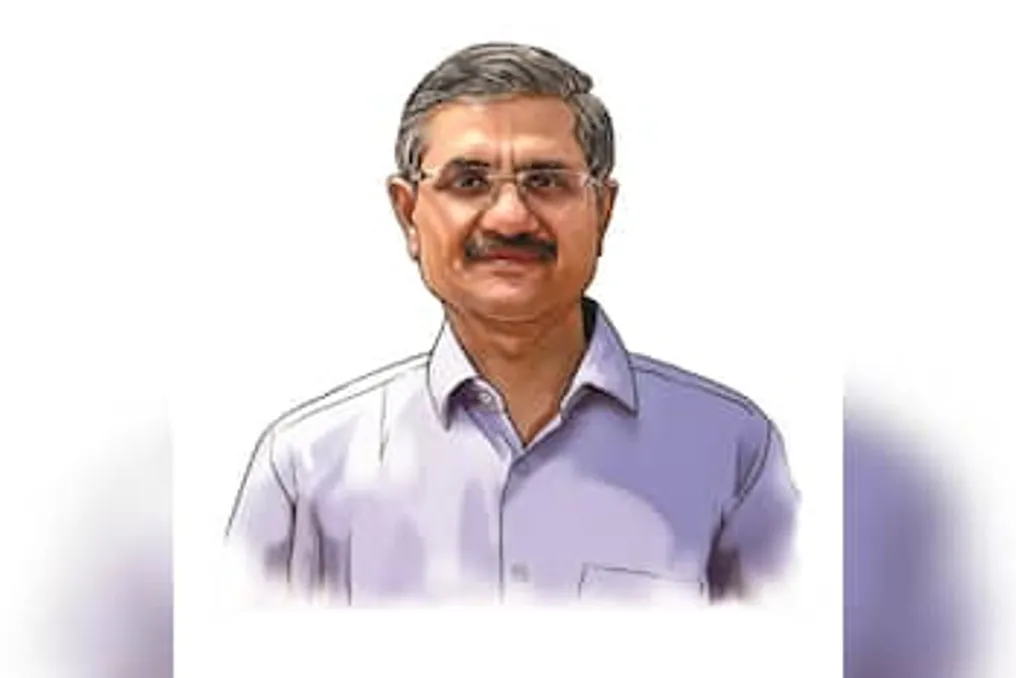
The Chairman of the Central Board of Indirect Taxes and Customs (CBIC), Vivek Chaturvedi, stated on Wednesday plans to enhance the application of artificial intelligence (AI), machine learning (ML), and real-time analytics in customs processes. These steps are aimed at reducing compliance costs and transitioning to a predominantly digital clearance system.
Chaturvedi noted that through cyclical and predictive use of technologies, the goal should be to achieve an almost seamless, nearly digital experience. Broader technology adoption will reduce the need for human intervention and decrease transactional costs for businesses.
Furthermore, he advocated for the creation of a unified portal that would provide consolidated information on companies' history of indirect tax compliance. Such reliable record-keeping will help businesses more easily access facilitation measures, including the Authorized Economic Operator (AEO) program.
The AEO program grants trusted trader status to companies that meet established standards in customs compliance and supply chain security. Compliant enterprises receive various benefits, such as faster cargo clearance and reduced risk-based intervention.
Areas for Strengthening Business Integration
Chaturvedi also identified five areas that the customs department needs to strengthen to deepen the integration of Indian businesses with developed economies. These include technologically managed customs processes, targeted support for enterprises, expansion of Mutual Recognition Agreements (MRAs), greater coordination between indirect tax verticals, and more active engagement with international trade partners.
He advised the department to adopt a sector and cluster-oriented approach to assist businesses, especially small players in the trade ecosystem, in accessing trade facilitation measures. Regarding MRAs, Chaturvedi emphasized that India needs to expand its network with developed economies while aligning its systems with international standards. He reported that India has concluded such agreements with 11 countries, and discussions with others are ongoing.
MRA agreements allow customs authorities to recognize each other's Authorized Economic Operator programs, granting benefits to corresponding companies in partner jurisdictions. Chaturvedi also stressed the need for closer coordination between indirect tax authorities and international trade partners to enhance trust in India's trade ecosystem.
At the same time, he urged manufacturers to actively utilize the importer-manufacturer scheme introduced in the Union Budget for 2026–27. This scheme, which came into effect on March 1, allows eligible manufacturers to import goods without paying customs duty at the time of clearance. The duty can be paid monthly according to the Import Duty Deferment Rules of 2016, helping businesses manage working capital.
According to Chaturvedi, while about 1000 enterprises were participating in the scheme, the department expects an increase in participants. Compliance requirements for joining the scheme have been lowered, and awareness programs are planned to stimulate wider adoption. The option to use the importer-manufacturer benefit will be available until March 31, 2028.