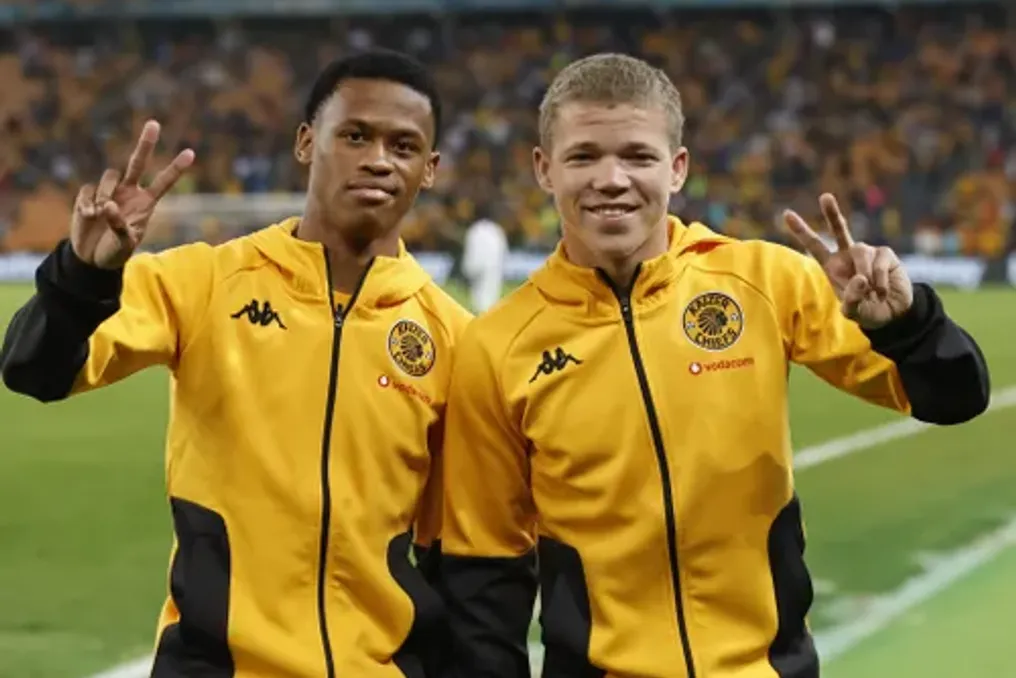
The Kaizer Chiefs team has long been associated with the nickname 'Glamour Boys,' and its footballers are increasingly demonstrating this identity through their clothing outside of the football pitch. The Chiefs dressing room is home to personalities from diverse backgrounds, and the players express themselves through everything: from modern streetwear to sportswear and cultural identity.
Lebogang Maboe is perhaps the most recognized figure in fashion among the players. This midfielder previously collaborated with fashion brands and showed an interest in contemporary clothing while maintaining a strong connection to sportswear. He spoke about prioritizing comfort during travel, combining items such as Puma Suedes, track pants, and stylish t-shirts, while always having a hoodie handy.
Maboe's fashion achievements extend beyond football, including a partnership with Steve Madden in South Africa. His appeal lies in his versatility: his style can transition from sporty, football-inspired casual wear to a more refined look, reflecting the growing intersection of football, fashion, and personal branding.
Tabiso Monyane represents a younger generation for whom football and personal image are increasingly merging. The right-back joined Chiefs from Orlando Pirates and has already participated in the presentation of the club's new kit, including shoots during its launch. His association with Adidas also gives his style a distinctly athletic foundation, as he has collaborated with the brand since his emergence.
For Monyane, the modern footballer does not have to separate athletic identity and fashion; these two aspects increasingly exist in parallel, especially for players who shape their image off the field.
Sibongiseni 'Ox' Mtethwa offers perhaps the most pronounced cultural interpretation. For Mtethwa, style is not just about following the latest trends. The Chiefs midfielder is strongly connected to his roots, and his Bhinca Nation identity forms an important part of the image he projects off the pitch. Born and raised in Estcourt, Mtethwa's path to 'Glamour Boys' status was far from ordinary. Before establishing himself in professional football, he worked at a textile factory while pursuing his football ambitions, even running to work before his shift started.
This background is important for understanding the player outside of his football career. His arrival at Chiefs gave him another identity—the status of an Amakhosi player, but these two identities do not have to compete. His Bhinca Nation roots and his status as a Chiefs player can coexist, creating an image rooted in his heritage yet reflecting the profile afforded by being a 'Glamour Boy.'
In the case of Inácio Miguel, there is international influence. The Portuguese-Angolan player arrived at Chiefs with a football journey that took him through various cultures, adding another layer to a dressing room already filled with diverse influences. His style is harder to define based on documented interviews, but his presence reflects the increasingly global nature of the current Chiefs squad.
Perhaps this is what makes the current Amakhosi dressing room interesting from a fashion perspective. There is no single Chiefs style here. There are different personalities, origins, and interpretations of what it means to look good—from Maboe's established fashion sense to Monyane's sportswear influence, Mtethwa's identity, and Miguel's international perspective. It seems that the 'Glamour Boys' identity does not have to end when the players leave the field.