Angola has 220 fish unloading spots, more than half of which are informal
Read more
Noticias ao Minuto
noticiasaominuto.com

Angola has 220 fish unloading spots, more than half of which are informal

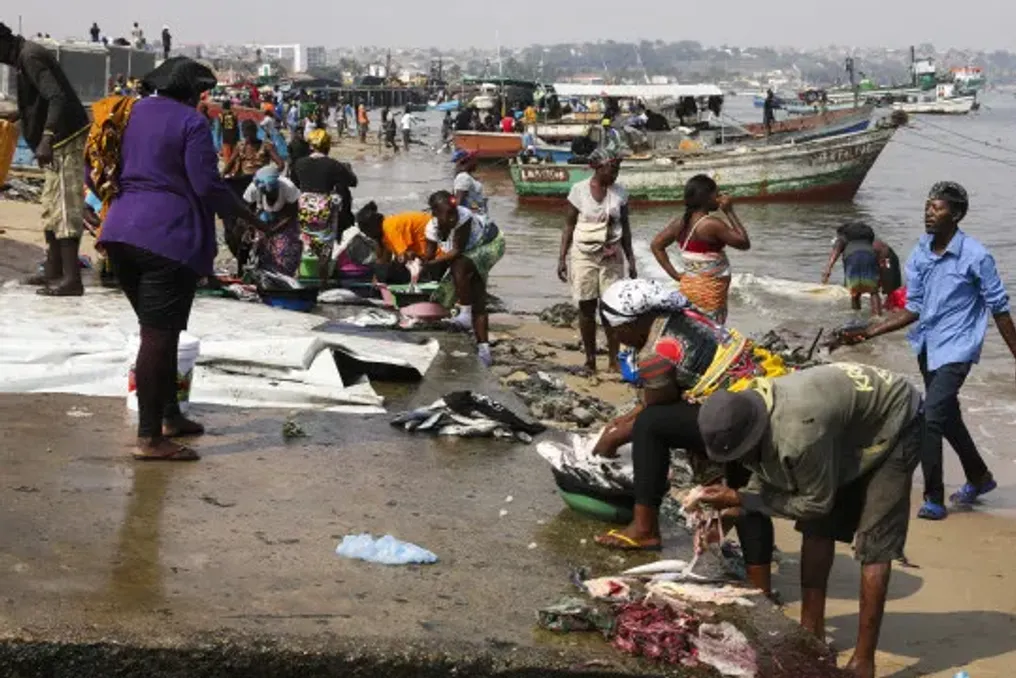
Carmen Duš Santos, Minister of Fisheries and Marine Resources, spoke at the opening of the VI E&M conference dedicated to the 'Blue Economy'. The conference focused on the theme 'From marine potential to industrial development – port and transport infrastructure, transformation, and new value chains'.

The Minister noted that this sector has the largest number of vessels operating along Angola's Atlantic coast, which stretches about 1,650 kilometers within 200 miles, emphasizing the noticeable presence and commitment to organization in the industry.

Regarding fish unloading spots, the Angolan government representative indicated that 115 piers operate informally, creating conflicts with other uses of Angola's coastline.

The Minister of Fisheries and Marine Resources reported that the industry is making efforts to organize unloading spots, completion of which is expected next year. The goal is for these spots to be equipped with necessary infrastructure, organized lots with basic needs such as ice, water, energy, and to ensure sanitary control, vessel servicing, proper transportation, and all associated operations arising from the creation of an industrial base.

The Minister added that it is through such initiatives that high-quality public and private investment is proposed to be attracted.

Carmen Duš Santos emphasized that the task is to secure investments that will not only cover infrastructure construction but also ensure its future maintenance and support for vessels fishing in Angola.

She also mentioned that the sector utilizes the Lobito Corridor—infrastructure that connects the Democratic Republic of Congo and Zambia by rail to the Angolan coast in the Port of Lobito for the shipment of perishable fish and salt.

The Minister stressed that such corridors will allow the coast to connect with eastern territories, covering the entire continental area of Angola, enabling significant, structured regional export activities that contribute to economic growth, and this requires organization.

During the roundtable discussion, Andre Regota, Director of Large Corporations at Standard Bank Angola, focused his presentation on financing issues. He stated that Angola is not alone in competing for scarce but existing capital.

It is estimated that the global financial gap in the African continent amounts to about $100 billion (86.6 billion euros) annually. Andre Regota noted that for access to financing, it is critical for Angola to be able to effectively and promptly present and structure projects to successfully participate in the race for the capital available on the continent.

The manager also emphasized that the banking sector works well with project predictability and risk distribution, reiterating the need to find quality projects that attract this capital.
Similar stories

Adolescent pregnancy prevalence in Angola falls from 34.5% to 27.1% in ten years
Read more
noticiasaominuto.com

Adolescent pregnancy prevalence in Angola falls from 34.5% to 27.1% in ten years

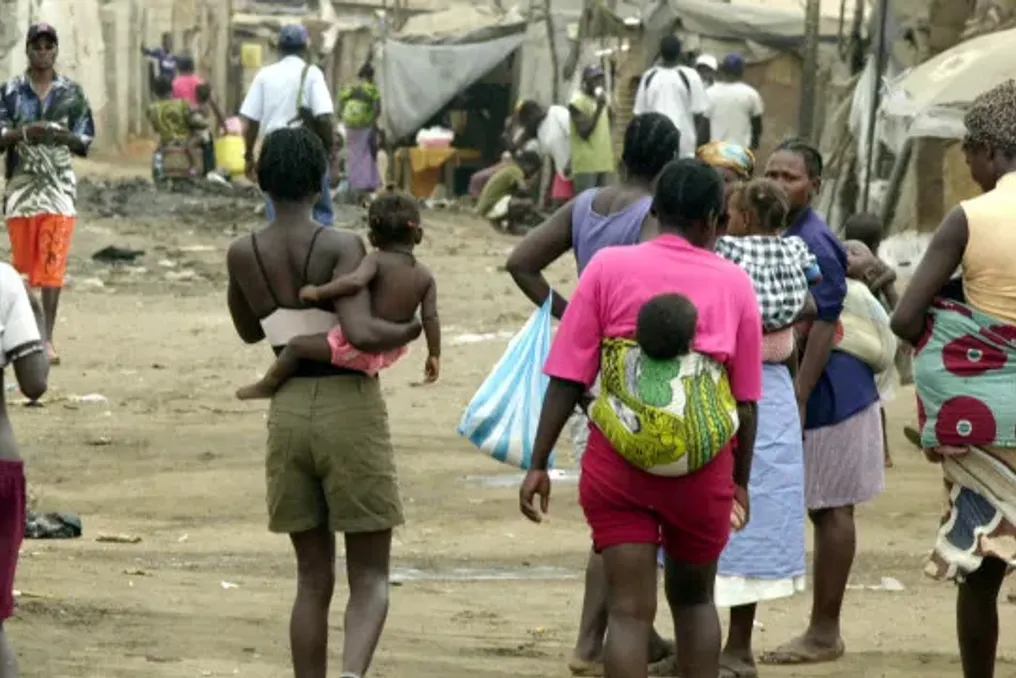
Data released in the Thematic Report on Adolescent Fertility in Angola indicate a reduction in the prevalence of youth pregnancy in the country. The report, made public in Luanda by the National Institute of Statistics (INE), points out that the incidence is higher in rural areas and among young people without education.

According to the survey, the prevalence of pregnancy among girls aged 15 to 19 in Angola has decreased by 21.5%. This figure went from 34.5% in the Multiple Indicators and Health Survey (IIMS) conducted between 2015 and 2016, to 27.1% in the IIMS of 2023 to 2024.

The INE emphasizes that despite the drop, Angola remains above the Sub-Saharan African average, which is estimated at 18%. The numbers are lower than those observed in Mozambique (36%) and Zambia (28%), but higher than those in Tanzania (23.4%), Cameroon (23%), and Gabon (22.9%).

Analyzing by province, the results show notable reductions in Malanje (a drop of 24.4 percentage points), Lunda Sul (a drop of 23.2 percentage points), Huíla (a drop of 19.7 percentage points), and Cunene (a drop of 14.6 percentage points).

The province of Luanda recorded the lowest prevalence, with 21.2% in IIMS 2015-2016 and only 13.9% in IIMS 2023-2024, which may be attributed to greater access to health and education services.

In contrast, provinces such as Cuanza Sul (51.4%), Cuanza Norte (41.3%), and Cuando-Cubango (44.0%) maintained high rates in IIMS 2023-2024. Additionally, in the province of Bengo, an increase of 2.7 percentage points was observed.

The general analysis concludes that Angola has achieved 'relevant progress'; however, the maintenance of high figures in certain regions and provincial disparities require the implementation of focused and differentiated strategies to accelerate the reduction of adolescent pregnancy.

Regarding the fertility rate, it showed a reduction of 25.2%, falling from 163 per 1,000 adolescents in IIMS 2015-2016 to 122 per 1,000 in IIMS 2023-2024.

This decrease was considerably larger in urban areas (33.3%) compared to rural areas (18.4%), where the indices remain high, reaching 195 per 1,000 adolescents in 2023-2024. Of the adolescents counted in the two surveys (3,444 and 3,874, respectively), seven out of ten lived in urban settings.

For the INE, these findings confirm important advances in reducing adolescent pregnancy in Angola over the last decade, possibly linked to increased female schooling, postponement of marriage, and better access to information on sexual and reproductive health.

The conclusions advocate for the adoption of integrated approaches aimed at keeping young people in school, preventing early marriages, expanding adequate sexual and reproductive health services for adolescents, and combating harmful social norms, with the goal of 'accelerating' the reduction and decreasing inequalities.

The research, presented in the Angolan capital, was supported by the United Nations Development Programme and the United Nations Population Fund.

>
Angola registers mpox outbreak with two deaths among 442 cases since the beginning of 2024
Read more
noticiasaominuto.com

Angola registers mpox outbreak with two deaths among 442 cases since the beginning of 2024

The Secretary of State for Public Health, Carlos de Souza, presented the epidemiological situation regarding the monkeypox virus (mpox) in Angola, as well as the main measures to prevent and combat the spread of the disease. The first case in the country was confirmed on November 16, 2024.

According to statistical data, as of September 5 of this year, a total of 442 confirmed cases have been registered in Angola: four in 2024, six in 2025, and 432 in 2026.

The mpox outbreak affects 11 out of 21 provinces in the country. According to data presented by Carlos de Souza, the highest number of cases has been recorded in the province of Cabinda, with 314 cases, followed by Moxico Leste with 91 cases.

The government official noted that the number of cases in the other provinces is significantly smaller. He also reported that two deaths were registered in Cabinda and Uíge, corresponding to an overall fatality rate of 0.45%.

Carlos de Souza added that 1131 contacts have been traced by medical services since the start of the outbreak. Currently, 116 people in the country are in the active phase of the disease and under observation, while 186 contacts are in isolation and under control.

Of the 116 active cases, 92 are in Cabinda, seven in Moxico, six in Moxico Leste, four in Luanda, four in Lunda Sul, two in Bengo, and one in Cuando.

In response to the outbreak, Angola mobilized 50 thousand doses of mpox vaccine this year, which are being used 'strategically and on a priority basis' due to limited global availability.

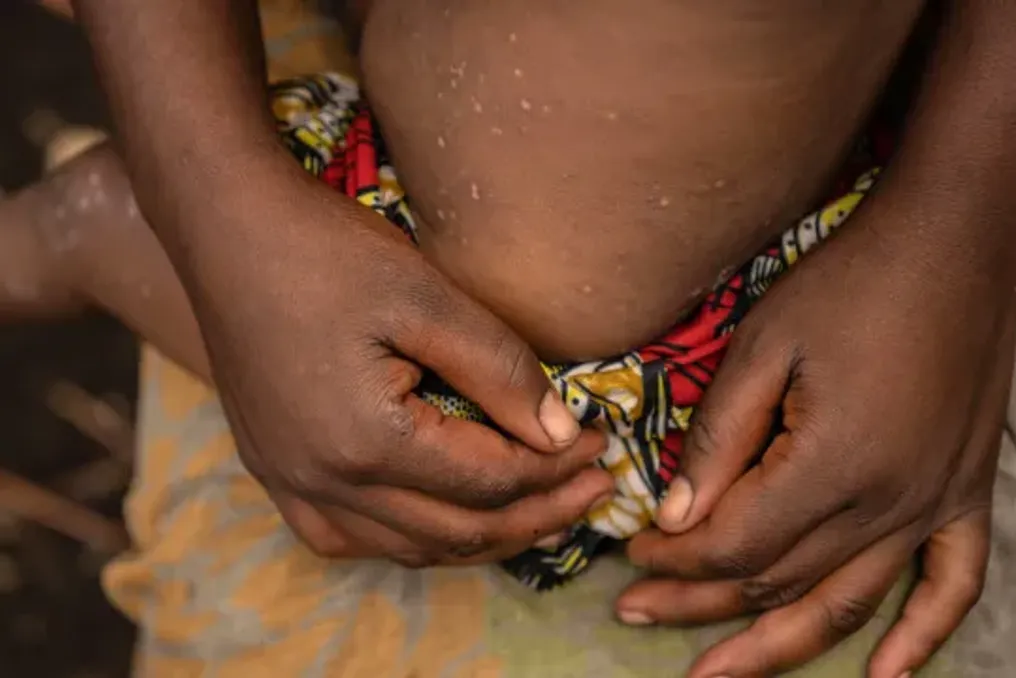
Mpox is an infectious disease caused by the monkeypox virus. It can manifest as fever, headaches, muscle and joint pain, swollen lymph nodes, as well as skin or mucous membrane lesions in the form of spots, blisters, and ulcers. The period between contact with the virus and the appearance of the first symptoms can range from five to twenty-one days, and people usually fully recover within two to four weeks.

The main mode of transmission is close contact with an infected person, especially through wounds or skin damage, secretions, or other contaminated materials, as well as through sharing clothing, towels, sheets, and other personal items, and from mother to child during pregnancy, childbirth, or after birth through close contact. The Secretary of State for Public Health emphasized: 'The risk and transmission increase with direct and prolonged contact, including sexual contact with a person who has symptoms or lesions. Mpox is not transmitted by airborne droplets.'

To reduce morbidity, it is crucial to observe hygiene measures, particularly frequent hand washing with soap and alcohol disinfection. Angola is implementing measures provided for the National Multisectoral Plan for Response and Control of the mpox Outbreak, which aligns with WHO frameworks for public health emergency prevention, preparedness, response, and resilience. The government official urged everyone who has come into contact with an mpox case to consult the nearest medical facility and report the situation.

Popular