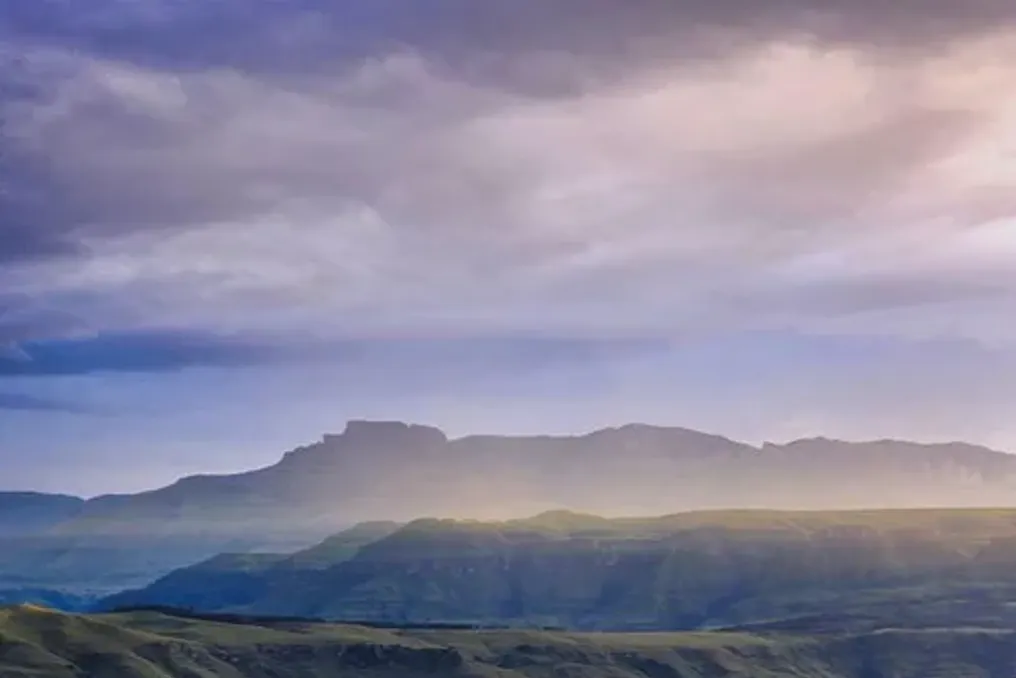
South Africa boasts a range of unique landscapes and culturally significant sites, some dating back billions of years. These seven UNESCO World Heritage Sites offer visitors unforgettable experiences, revealing the country's history, culture, and natural beauty.
From ancient rock art and archaeological finds to breathtaking mountains, wetlands, and historical monuments, the UNESCO sites provide travelers with an opportunity to see South Africa beyond the standard tourist routes.
Robben Island
A trip to Robben Island is more than just visiting an old prison. Located off the coast of Cape Town, this island has served as a prison, hospital, and military base throughout its history. It is most famous as a maximum-security prison where political prisoners were held during apartheid.
The island became a symbol of the struggle against apartheid, among the former inmates of which was Nelson Mandela. Today, tourists can take a tour of the prison and learn about the experiences of those who were incarcerated there, making it one of the country's most important historical sites.
iSimangaliso Wetland Park
If you are looking for a getaway that combines beaches, wildlife, and stunning natural scenery, iSimangaliso Wetland Park offers it all. Located along the KwaZulu-Natal coast, this World Heritage Site encompasses a vast diversity of ecosystems, including lakes, wetlands, beaches, coastal dunes, mangrove swamps, grasslands, and coral reefs.
The area is home to numerous wild animals, including hippos, crocodiles, elephants, and a large number of bird species. Furthermore, visitors can observe marine life and, depending on the season, see whales and nesting sea turtles.
Maloti-Drakensberg Park
Maloti-Drakensberg Park appeals to both adventure lovers and history enthusiasts. This World Heritage Site stretches across South Africa and Lesotho and is renowned for its dramatic mountains, valleys, waterfalls, and sandstone formations.
However, its beauty is only part of its appeal. The area contains thousands of examples of San rock art, offering insight into the lives, beliefs, and traditions of communities that lived in this region thousands of years ago.
Fossil Hominid Sites of South Africa
Imagine visiting sites connected to the earliest stages of human history. The Fossil Hominid Sites of South Africa contain some of the world's most important paleoanthropological discoveries. The site includes the Tzaneen Skull Fossil Site and the Makapansgat Valley, as well as archaeological and paleontological locations related to the Cradle of Humankind.
Discoveries made in these areas have helped scientists understand human evolution and the development of early hominids over millions of years. For visitors, this experience provides an opportunity to see the landscapes where some of these discoveries were made and learn more about the existing evidence.
Mapungubwe Cultural Landscape
Hidden in the northern parts of South Africa is the remarkable Mapungubwe Cultural Landscape—a place where archaeology meets nature. Mapungubwe was once the center of a powerful African kingdom that flourished between the 11th and 14th centuries.
Archaeological findings have revealed evidence of long-distance trade, including goods from distant places such as China and Persia. Among the commodities traded by the region's communities were gold and ivory. Today, visitors can explore the landscape and archaeological sites while enjoying the striking sandstone formations and baobab trees.
Cape Floral Region Protected Areas
You do not need to be a botanist to appreciate the extraordinary beauty of the Cape Floral Region. The protected areas comprising this UNESCO World Heritage Site host one of the richest concentrations of plant species in the world. The region is particularly known for its fynbos, where thousands of plant species, many found nowhere else on Earth, are found in mountains, valleys, and landscapes.
This diversity means that even a casual walk through the landscape can reveal plants unique to this region.
Barberton Makhonjwa Mountains
To remind us of the incredible age of our planet, one should look at the Barberton Makhonjwa Mountains in Mpumalanga. This World Heritage Site contains some of the oldest and best-preserved geological formations on Earth, with rocks dating back approximately 3.6 to 3.25 billion years.
These mountains provide scientists with evidence of Earth's early history, including ancient volcanic activity, meteorite impacts, and the formation of the planet's early environment. However, for visitors, the experience also lies in contemplating the dramatic landscape and realizing the immense age of the land beneath their feet.