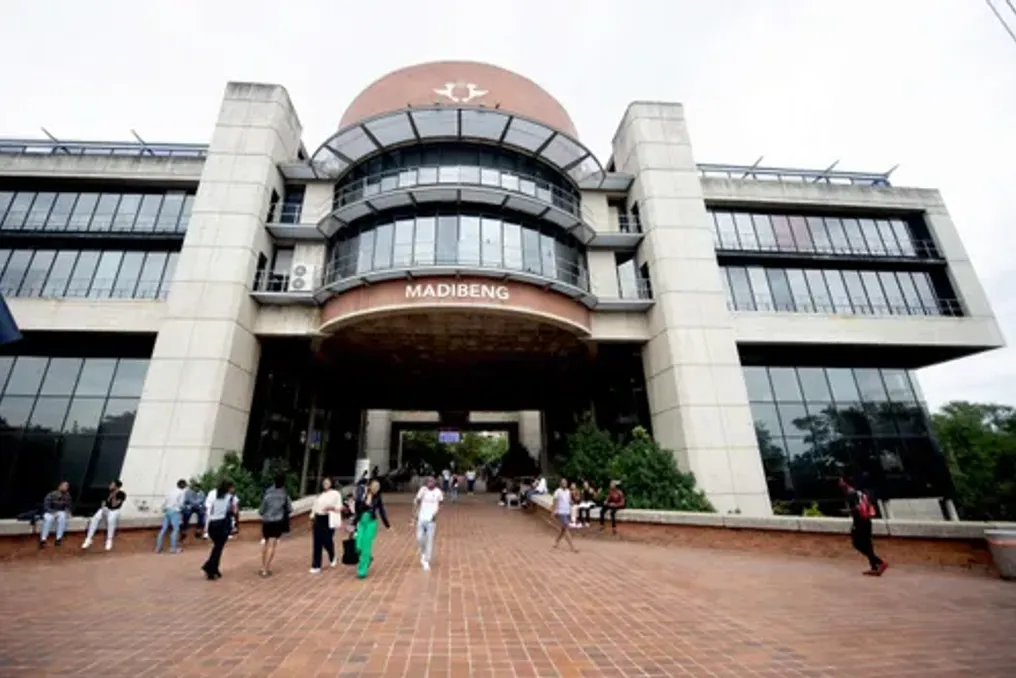
The University of Johannesburg (UJ) has strengthened its position as a continental leader in academic excellence, securing top rankings in eight fields according to the ShanghaiRanking Global Research Academic Subject Ranking (GRAS) for 2026.
This achievement highlights UJ's growing influence and its commitment to world-class research across a wide range of disciplines. In recent rankings, UJ is the leading institution in South Africa in 10 subjects, with eight of these recognized as the best in Africa.
The university is included in the ranked institutions across 15 different disciplines, including areas such as engineering, natural sciences, education, business, management, and social sciences.
Vice-Chancellor and President of UJ, Professor Letlhokwa Mpedi, stated that these results are not coincidental. He noted that they reflect the institution's targeted and sustained investments in research excellence, high-quality academic work, and the ability to produce internationally recognized, impactful, and relevant research for Africa and the world.
Professor Mpedi emphasized that UJ's strategic focus on research, innovation, social impact, and global partnership forms the basis of the university's future development trajectory, as outlined in its Strategic Plan until 2035.
He explained that investing in research potential, attracting and developing top specialists, strengthening the research environment, and building international collaborations is both an intentional and long-term process.
Particularly noteworthy is the breadth of fields where UJ excels. These range from highly specialized areas such as electrical and electronic engineering, as well as telecommunications engineering, to broader disciplines like education, political science, business administration, and management.
The eight disciplines leading the continent include: hospitality and tourism management, earth sciences, political science, education, business administration, management, electrical and electronic engineering, and telecommunications engineering.
Hospitality and Tourism Management became UJ's top global achievement, ranking 19th in the world ranking. Other notable successes include earth sciences and geography, which fall in the 101–150 range globally, while sociology is in the 151–200 range. Political science, education, business administration, and management rank in the 201–300 range worldwide.
ShanghaiRanking's methodology evaluates universities based on nine objective indicators grouped into five categories: world-class faculty, world-class research output, high-quality research, research impact, and international collaboration. This rigorous assessment goes beyond simple institutional rankings by recognizing highly cited researchers and prominent academic leaders in various fields.
Professor Mpedi highlighted the importance of UJ's diversified success, stressing that it reflects the strength of its researchers and research networks, the quality and impact of the scientific work produced, and UJ's growing contribution to global knowledge from an African base. He added that alongside accolades, there is a drive to develop solutions to complex social problems, aligning with UJ's long-term goals for developing significant research potential and Global Excellence and Status (GES).