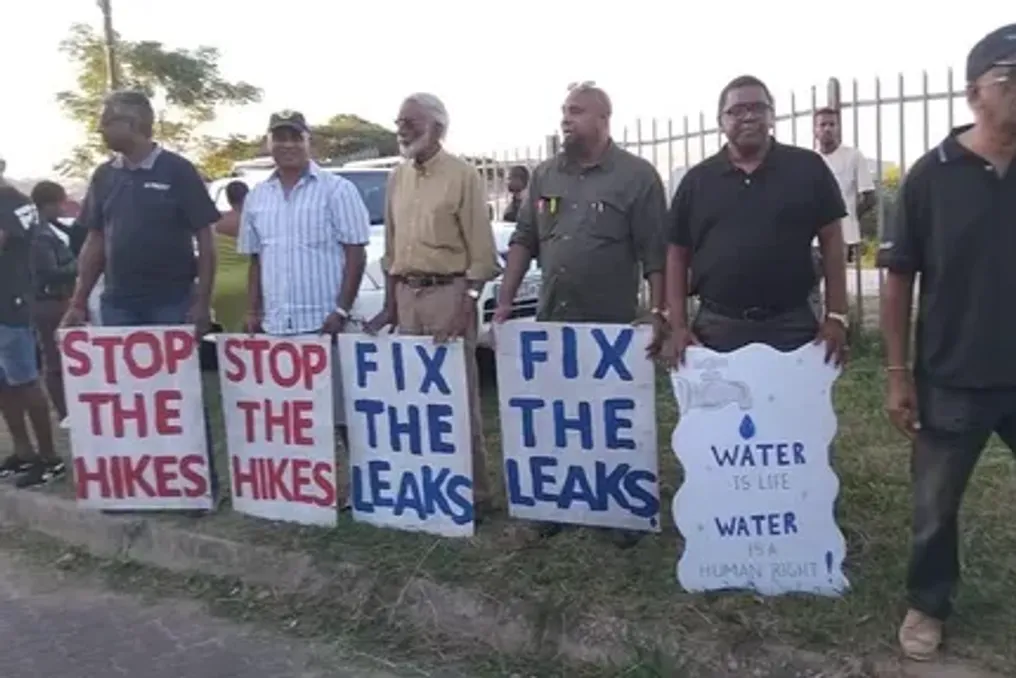
Taxpaying residents have expressed strong disapproval of the eThekwini Municipality's decision to raise the salaries of its top executives by more than R3.1 million. These increases were approved during a council meeting.
However, city authorities are defending their decision, asserting that it was adopted on September 1st and represents the implementation of a nationally established remuneration system that all municipalities must follow, rather than being an arbitrary salary adjustment.
According to reports, the R3.1 million sum will cover the annual increase in the compensation package for all officials included in this adjustment. The salary of Municipal Manager Musa Mbele, estimated at nearly R3.9 million annually, will increase by 3%, and the salaries of managers earning around R2 million will also rise by approximately 4.5% per year.
Top executives reporting to Mbele include: Malusi Mkhlongo (City Manager's Office), Lindokule Mkhize (Operations Management), Ednik Msveli (Technical Services), Kirill Mkhize (Public Safety), Dr. Vusi Mazibuko (Community Services), Sichle Mkhize (Acting, Corporate Services), Dr. Sandile Mnguni (Finance, CFO), and Lihle Pheva (Municipal Planning).
The proposal reportedly complied with a notice in the Government Gazette issued in August. The report indicated that cost-of-living adjustments for the relevant managers would be applied in the last years of the 2024/25 and 2025/26 financial years. It also noted that additional expenses would be financed from the personnel expenditure budget and included in the municipal payroll budget as necessary.
Taxpayer associations voiced their dissatisfaction, arguing that such raises are unjustified given the current state of infrastructure and services in the city. Asad Ghaffer, president of the eThekwini Taxpayer Protest Movement (ERPM), stated that the increases are not warranted. He pointed out that the condition of the city and its infrastructure is terrible, and the leadership's complacency does not equate to good work; they are merely consolidating their positions without caring for taxpayers.
Archbishop Selvan Govender, chairman of the Phoenix Citizens and Taxpayers Association, reported that for months, eThekwini residents have suffered from water shortages, and the water supply and sanitation infrastructure has been compromised and damaged. He emphasized: 'We are told there is no money for repairing pumps, replacing pipes, or hiring more plumbers. Yet, there is R3.1 million extra for managers who already receive excessively high salaries, while many pensioners live on SASSA grants of R2320, and our youth are unemployed. This increase is inappropriate, unfair, and unjustified. It is an insult to every taxpayer.'
He called on the council to immediately reverse the salary increase and demand the publication of performance evaluations for these managers so the public can see what they deserve more for.
Terry McIntyre, chair of the Umhlanga Residents and Taxpayers Association (URRA), stated that the city's operational budget is disproportionately skewed towards personnel costs, especially at the senior management level, without corresponding improvements in service quality. She noted that such a structure inevitably creates pressure for tariff hikes, making eThekwini the most expensive municipal area in South Africa in terms of household bills, and the burden falls disproportionately on law-abiding taxpayers and businesses, rendering the current trajectory financially unsustainable.
Poo Balan 'Pu' Govender, chairman of the Shalcross Citizens and Taxpayers Association (SCARA), acknowledged the role of municipal employees and senior managers, but stated that fairness and responsible governance require remuneration decisions to reflect the financial realities faced by the city and its residents. He reiterated that given eThekwini's acute need for resources to address deteriorating infrastructure, particularly issues with water pipe bursts and water losses, it is difficult to justify a significant salary increase for senior management compared to the increase provided to the wider workforce. Govender concluded that leadership must set an example, and senior managers should not receive preferential raises while communities face service failures and declining service quality.