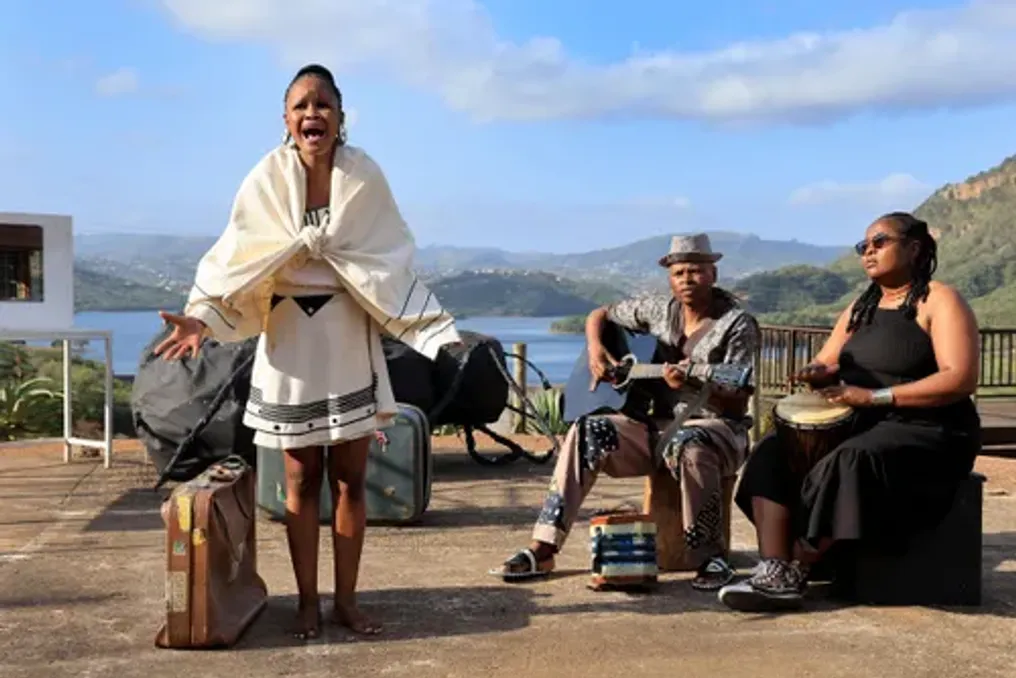
The Botho Heritage International Festival is preparing to take place on the Heritage Day weekend, from September 23rd to 27th. The event will transform the Wushvini Pan-African Heritage Centre, located near the Inanda Dam in the Valley of a Thousand Hills, turning it into a hub for creativity, memory, dialogue, and shared celebration.
Under the motto 'Botho: I exist because we exist,' the five-day festival invites spectators, artists, cultural figures, elders, youth, communities, and visitors to reconnect with the values that unite African societies.
Convener Jerry Pu describes Botho 2026 not merely as an arts festival, but as a living archive. He emphasizes that it is a space for preserving memory, reviving stories, celebrating local knowledge, and developing contemporary African self-expression. This twelfth edition of the festival is conceived as a ritual of reunion with ancestors, the land, history, and a common purpose.
According to Jerry Pu, in a context where local knowledge is being erased and cultural practices are increasingly commodified, Botho places culture at the center of social life. The festival asserts that heritage is not static; it evolves dynamically and is closely linked to who we are and how we envision the future.
The festival unites various languages of African expression—theatre, music, dance, fashion, film, literature, poetry, food, visual arts, intellectual exchange, and public rituals—under a single philosophy: we exist because of each other.
Wednesday, September 23rd
The festival kicks off with ancestor veneration. The program includes ancestral greeting rituals, local libations, drumming calls, chants, poetry, installations, and reflections, creating a powerful start. The Indigenous Orchestra of Wushvini will also launch on this day. The day will conclude with a major pan-African music concert, a spectacular fireworks display, and a night walk through the museum among illuminated art installations, starting at 6:00 PM.
Thursday, September 24th: History as Resistance
The second day focuses on storytelling as the driver of cultural transformation. Spectators can attend a full day of 'Theatre Feast,' as well as 'Africa Arts Indaba,' which will feature creative workshops, masterclasses, film screenings, and intellectual discussions on decolonization, cultural economy, sustainable development, pan-African cooperation, and local knowledge systems.
The evening program, titled 'Beyond Limits: The Spirit in Motion,' will celebrate artists whose work transcends perceived boundaries. It will feature performers with disabilities, blind artists and musicians, and representatives from various segments of society, starting at 6:00 PM.
Friday, September 25th: Embodiment—We Wear, Move, and Speak Our Heritage
The third day is dedicated to heritage through the body. Fashion, literature, dance, theatre, and music converge to demonstrate that culture is not just something to be preserved, but something we wear, speak, perform, and live. The program includes a heritage fashion exhibition, literary circles, readings, experimental and community theatre, as well as traditional and contemporary dances. An evening celebration featuring percussion, vocalists, Afro-soul, and traditional ensembles will begin at 6:00 PM.
Saturday, September 26th: Ubuntu Walk—Movement as Healing
On the fourth day, Botho steps outside the festival grounds and ventures into the community. The 'Ubuntu Walk,' starting at 6:00 AM, will gather people through walking, rhythm, singing, storytelling, and collective movement along routes connecting surrounding communities with Wushvini. Participants will encounter rest stops in the communities, storytelling points, music, and reflection spots during the journey before moving on to daytime open dances and community performances.
The evening transforms into the 'Ubuntu Soundscape,' where DJs and musicians blend traditional African sounds with house, Afro-techno, jazz, and hip-hop, starting at 6:00 PM.
Sunday, September 27th: Gratitude and Unity
The festival concludes with a communal feast, through music, food, faith, and gratitude. Relaxing jazz will play from noon. The Heritage Food Festival will celebrate local cuisines and the stories carried by food, offering cooking demonstrations and knowledge exchange led by elders. Jazz conversations and performances will create a space for African musical expression, after which the festival will close with gospel and sacred music, a ritual of reflection and thanksgiving, and the symbolic passing of the torch to the next edition.
Admission to performances, events, and shows is 50 Rand. The full program is available on the Wushvini pages and website on social media.