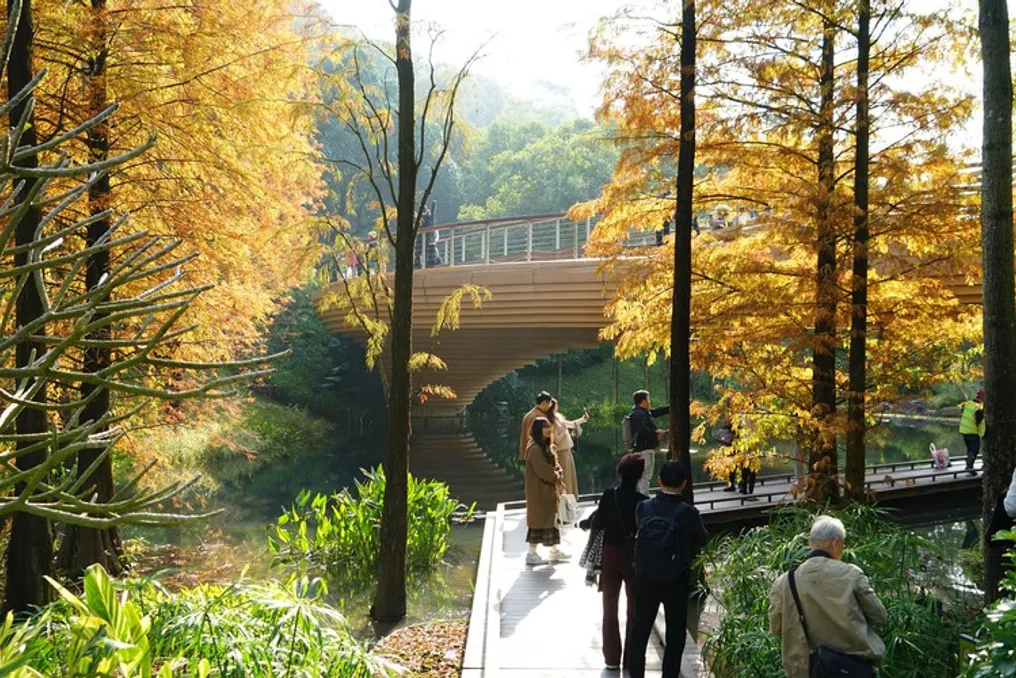
Botanical gardens bring together landscape, design, scientific research, and the public in close interaction. Originally emerging as medical gardens and private collections intended for plant classification, they have evolved into institutions where specimens collected from various regions and climatic zones can be grown and displayed to the public.
The evolution of these gardens in society has led to the formation of a unique architectural heritage, which includes greenhouses, conservatories, herbaria, laboratories, and ultimately, visitor centers and hospitality areas. Architecture remains an integral part of the botanical garden, serving as a tool for cultivation and a structure for organizing and studying the field of botany.
In the 21st century, the botanical garden continues to exist as an increasingly extensive cultural and scientific institution, shaped by important issues concerning biodiversity, nature conservation, climate, and environmental changes. While research laboratories and seed banks support the study and preservation of plant life, auditoriums and exhibition spaces expand the garden's activities in education, recreation, leisure, and art.
As programmatic and spatial responsibilities multiply, the garden assumes a broader civic role, linking scientific research with public life and modern forms of creating public spaces. Its architecture reflects this expansion in scale, encompassing both facilities oriented towards research and horticulture, and areas for families, students, tourists, and local communities within productive cultivated landscapes.