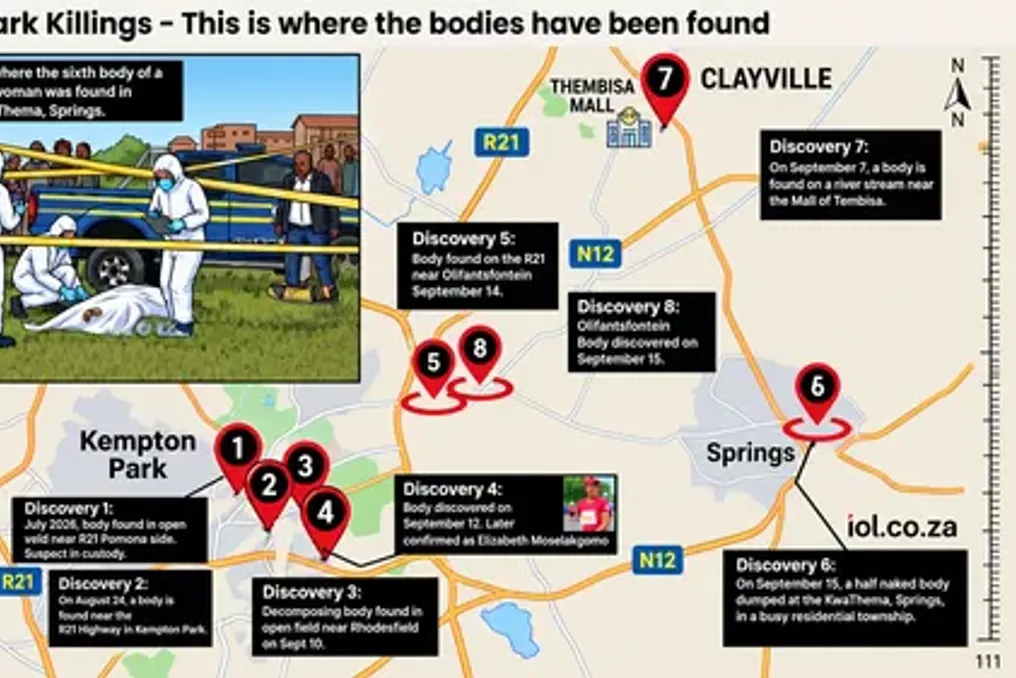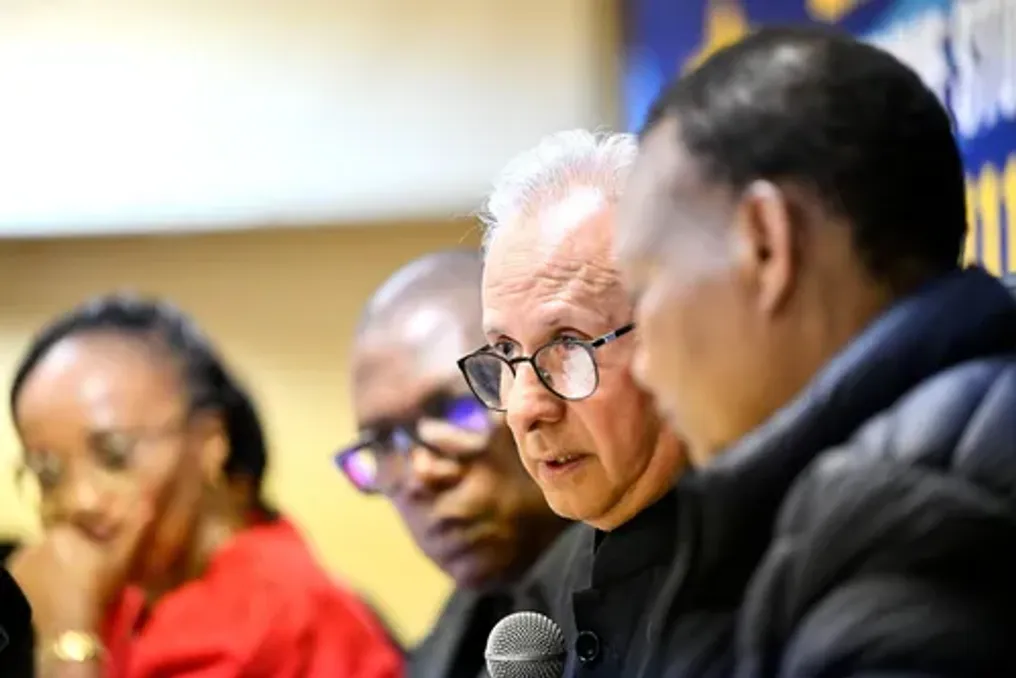
Amidst the rising number of female murders, Acting Minister of Police Firoz Kachalia announced the closure of the Ekurhuleni area in the coming weeks. The discovery of eight women's bodies in Gauteng has once again called into question South Africa's response to gender-based violence, the transparency of police work, and men's responsibility in preventing violence against women.
The bodies of eight women were found in East Rand, Johannesburg, as part of an incident dubbed the Kempston Park murders. Although the identities of all victims have not yet been established, it is evident that men are responsible. It is also clear that the government and police are not doing enough to prevent the killing of women.
On August 1, President Cyril Ramaphosa established the National Council on Gender-Based Violence and Femicide. This body represents a target group whose creation came too late, following years of empty promises to combat this scourge. As early as 2019, after the 2018 Summit of Presidents on GBV, Ramaphosa promised to implement urgent legal and structural reforms. In the same year, he designated GBV as a national crisis during his address on the state of the nation.
In the reporting period, SAPS recorded 2,695 women killed in 2019/20. Subsequent years show an alarming trend: 2,655 women died in 2020/21, 3,198 in 2021/22, 3,914 in 2022/23, and 3,485 in 2023/24.
How many women have been killed?
In the current SAPS reporting period for 2024/25, there is no gender breakdown, which creates serious problems. Without knowing the exact number of women killed during this period, it is impossible to assess the effectiveness of measures to combat GBV. The police previously claimed that quarterly data could not be reconciled with the national report, but estimates suggest the number of victims in 2024/25 exceeds 3,500. Furthermore, there is concern that the total number of women killed is significantly higher, with estimates reaching 5,578 deaths over the previous 12-month reporting period. The situation is considered a crisis.
What is being done to solve the problem?
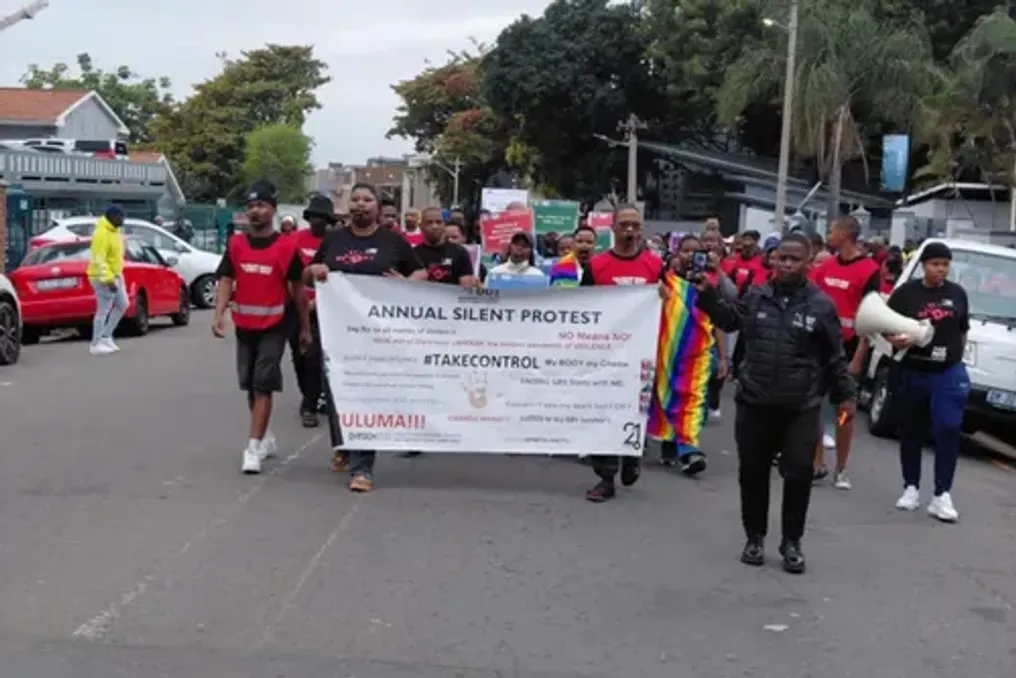
In light of the discovery of another eight bodies, the police advise women to be vigilant, avoid dangerous places, inform others of their movements, and allow loved ones to track their location. However, the article's author believes that placing the responsibility for crime prevention on women, who constantly live in fear of attack, rape, and murder, is absurd. He insists that the main threat to women's lives comes from men, and they must take responsibility for ending crimes against women.
In the author's view, until all men realize that simply expressing solidarity in the fight against GBV is insufficient, they will continue to participate in the killing of these women. In South Africa, men kill between 11 and 15 women daily.
What should be done?
It is required that SAPS stop ignoring the problem by not providing detailed data and allow the exact number of women and children killed to be seen. The author argues that the reaction to what resembles serial killer activity reflects a patriarchal view of women's safety. Women must be protected by men, the police, and the government, not by increased vigilance on the part of the women themselves.
The police must be transparent about the latest wave, which appears to be connected murders. It needs to be determined whether they are looking for one killer, a group, or a syndicate, and whether they are receiving information from a detained suspect. The question arises regarding the need to declare a state of emergency and impose a curfew. However, the author believes that a new meeting or task force is unnecessary. Currently, a reward has been announced for information that could lead to the arrest of men responsible for this series of murders, and a specialized investigation team has been created to collectively investigate these crimes with the support of criminal intelligence and other specialists. Until the perpetrators are caught, South Africa will live in constant anxiety, which is all too familiar a phenomenon for a country suffering from gender-based violence and seemingly unwilling to end it.