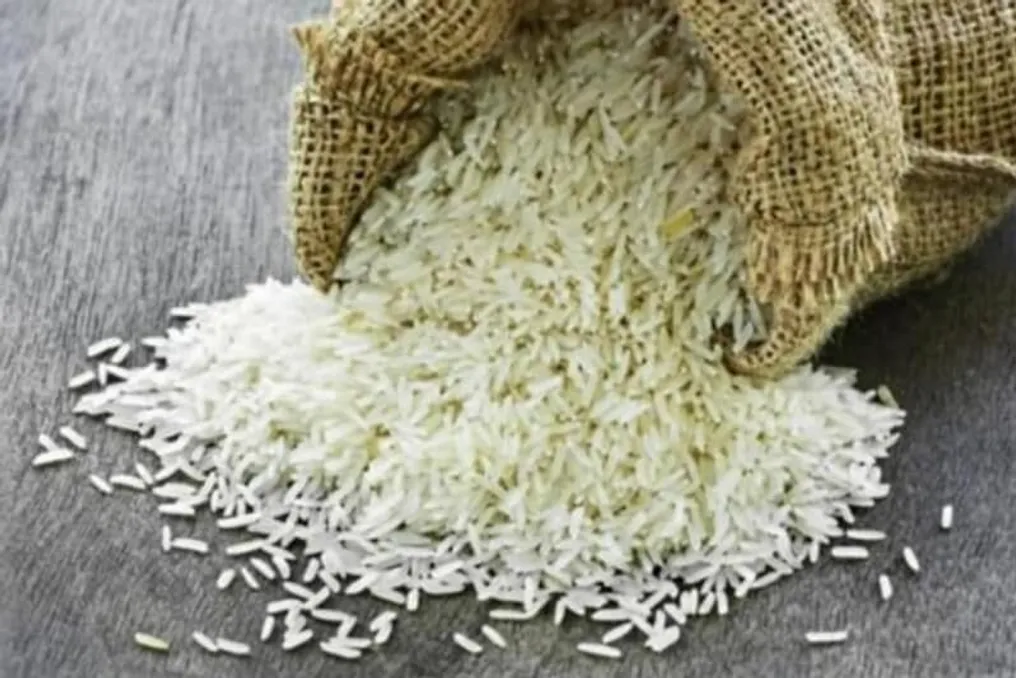
There is a significant rise in rice prices, affecting both Basmati and non-Basmati varieties. In the first quarter of the 2027 fiscal year, prices for Basmati rice increased by approximately 15–20% compared to the previous fiscal year. The cost of Basmati rice, which was previously around 85 rupees per kilogram, has now reached approximately 100 rupees per kilogram.
Recently, there has been a decrease in the prices of sugar and onions, but the rising rice prices have caused concern among ordinary citizens. Furthermore, the price increase for non-Basmati rice has been even more substantial, reaching about 20–25% compared to last year.
Akshay Gupta, Head of Wholesale Export at KRBL, commented on the situation in an interview with Business Today TV and highlighted two main factors behind the sharp jump in rice prices. According to the expert, the rise in Basmati rice prices began at the beginning of January this year. Partial crop damage in Punjab and Haryana due to early floods led to a reduction in harvest volume in October-December 2025, which consequently caused the increase in rice prices due to insufficient overall supply.
The second factor, according to Akshay Gupta, was the military situation in the Middle East. Due to food security issues, demand from international buyers suddenly intensified, contributing to the rise in rice prices. Special attention is paid to buyers from Gulf countries, who are actively purchasing Indian rice to ensure food supplies, with Saudi Arabia remaining the largest buyer of Indian rice.
Previously, India exported a record 6.5 million tons of Basmati rice to 154 countries in the 2026 fiscal year. However, the situation has changed due to the conflict in the Middle East. High global demand has led to changes in the world markets for Indian rice, and disruptions in the Strait of Hormuz have significantly increased rice exports to countries such as Jordan and Turkey; exports to Jordan have increased eightfold.
The commodity expert noted that although the new Basmati harvest is starting to arrive, initial prices already exceed last year's levels. The price of the 1509 rice harvest is at least 20% higher than last year, and this season has only just begun. The expert emphasized that demand remains high, with no clear signs of decline, despite India achieving its highest level of Basmati rice exports last year.