South African Tax Service Intensifies Control Over Spaza Shop and Informal Sector Economy
Read more
IOL
iol.co.za

South African Tax Service Intensifies Control Over Spaza Shop and Informal Sector Economy

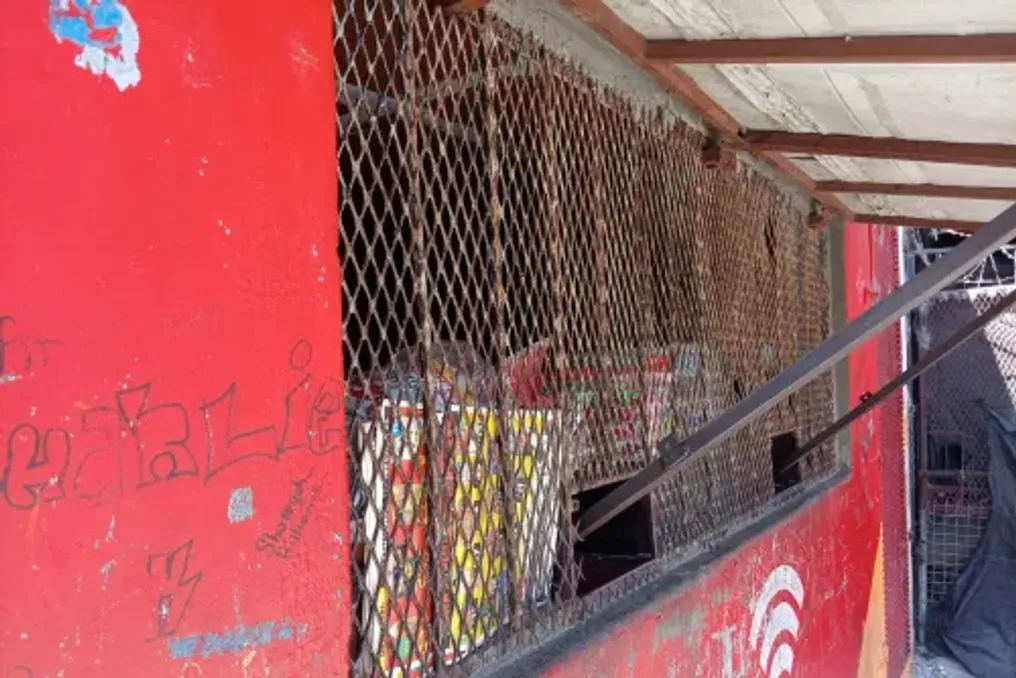
The spaza shop sector in South Africa generates billions of rand annually, and the government aims to legalize more informal businesses while the South African Revenue Service (SARS) works to expand the country's tax base.

The tax authority may begin scrutinizing spaza shops as the tax service intensifies efforts to bring more of the informal economy into the tax system. Finance Minister Enoch Godongwana confirmed that the tax service is targeting informal economy enterprises as part of a campaign to broaden the country's tax base; taxis and ride-hailing services have already been identified as priority areas.

Godongwana stated that 'SARS continues to broaden the tax base by improving registration, declarations, and payments where tax compliance remains low. This includes the informal economy and the taxi industry.'

Why Spaza Shops Are Important

This could lead to the extensive South African spaza shop market coming under close scrutiny from SARS. This sector is estimated to generate between 180 and 207 billion rand per year, with tens of thousands of such shops operating across towns and communities nationwide.

The tax service also reported that for the 2024/25 financial year, it has registered 21,890 previously unregistered taxpayers in the informal economy, generating revenue of 314 million rand.

Godongwana added that SARS uses data, digital platforms, taxpayer education, and simplified registration procedures to identify businesses that are not registered for tax purposes. He specified that 'the taxi industry, including ride-hailing services, has been identified as a priority sector in SARS's work on the informal economy and compliance. SARS uses risk assessments, available data, targeted interventions, and taxpayer education to improve registration, declarations, and payments in this sector.'

The Minister also noted that SARS is strengthening its fight against illicit financial flows, including tax evasion, customs fraud, money laundering, corruption, and organized crime. Previously, IOL reported that in the 2024/25 financial year, SARS recorded 10,142 customs seizures worth 6.3 billion rand, and 6.1 billion rand was recovered due to VAT fraud and illegal gold trading.

The Minister emphasized: 'These results demonstrate that SARS's work to curb illicit financial flows is active, coordinated, and directly linked to revenue collection, preventing leakage, and disrupting criminal value chains.'
Similar stories

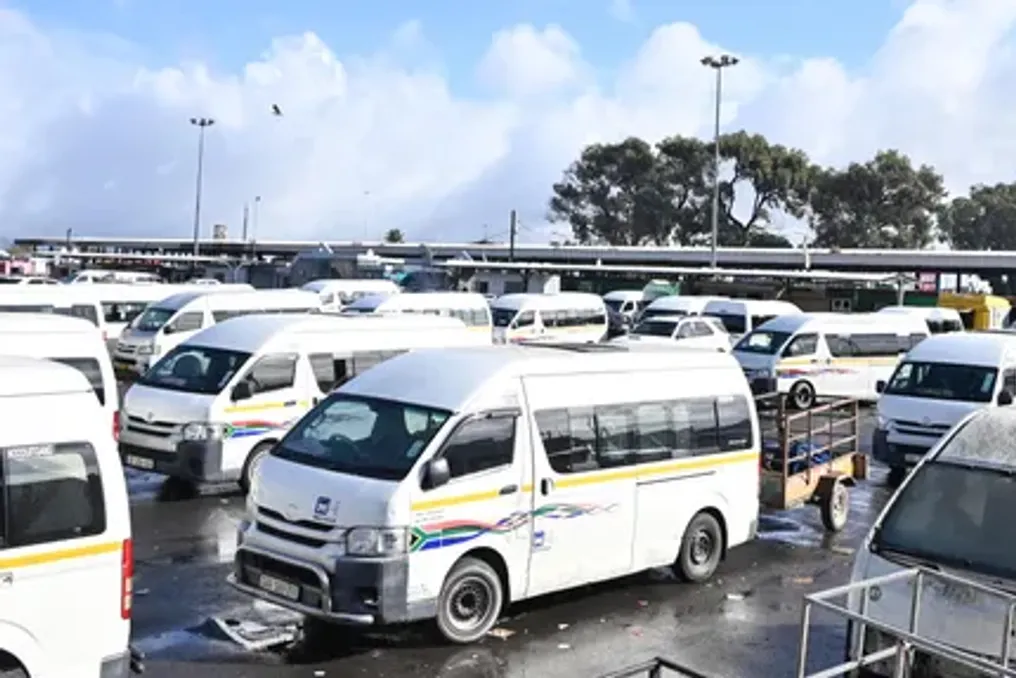
SARS expands tax control to R100 billion taxi industry
Read more
iol.co.za

SARS expands tax control to R100 billion taxi industry

Finance Minister Enoch Godongwana stated that the South African Revenue Service (SARS) is intensifying efforts to broaden the country's tax base. This includes bringing more businesses from the informal economy and the taxi industry into the tax system, as well as boosting the fight against illicit financial flows.

Godongwana made this statement in a written response to parliament when questioned about the government's strategic measures aimed at expanding the tax base rather than increasing rates for already compliant individuals and companies.

He stated that 'SARS continues to expand the tax base by improving registration, filing, and payment where tax compliance remains low. This applies to the informal economy and the taxi industry. Furthermore, SARS is working to identify and respond to illicit financial flows and other forms of non-compliance.'

Informal Economy in SARS's Focus

The Minister noted that the informal economy has been identified as an area where SARS can integrate more taxpayers. According to Godongwana, since the start of the 2024/25 financial year, SARS has helped register 21,890 previously unregistered taxpayers in the informal sector, generating revenue of R314 million.

To identify businesses not registered for tax, SARS utilizes digital platforms, taxpayer education, and simplified registration procedures. The taxi industry, including e-hailing services, is recognized as a priority sector in SARS's work on the informal economy and compliance. Risk assessments, available data, targeted interventions, and taxpayer education are used in this sector to improve registration, reporting, and payments.

Moreover, SARS is strengthening the fight against illicit financial flows, including tax evasion, customs fraud, money laundering, corruption, and organized crime.

Billions Recovered Through Enforcement

During the 2024/25 financial year, SARS conducted 10,142 customs seizures valued at R6.3 billion, and recovered R6.1 billion related to VAT fraud and illegal gold trade.

The Minister emphasized that these results demonstrate SARS's active, coordinated work in curbing illicit financial flows, which is linked to direct revenue collection, preventing leakage, and disrupting criminal value chains.

SARS collaborates with Statistics South Africa and other partners to develop a unified taxonomy and a robust measurement approach that allows differentiation between the formal, informal, and illicit economies. Currently, SARS is transforming intelligence data into measurable compliance and enforcement outcomes.

Popular