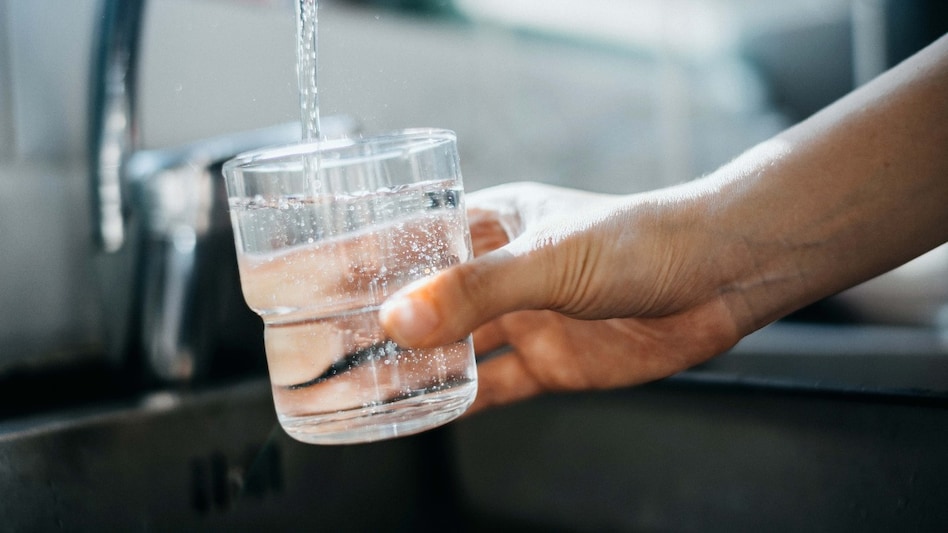
It is not enough to simply drink plain water because during heavy sweating, vomiting, or diarrhea, not only water but also important electrolytes are lost from the body. Furthermore, there are certain health conditions that require replenishing electrolyte levels in the body.
Special minerals called electrolytes constantly function in our bodies. They are responsible not only for maintaining water balance but also for a normal heart rhythm. These electrolytes include sodium, potassium, calcium, magnesium, and chloride. Each performs its own function: for example, sodium helps maintain blood volume and water balance, potassium is necessary for nerve function and normal heartbeat, and magnesium is important for energy production.
However, the level of these electrolytes can decrease with certain diseases. Electrolyte deficiency can occur due to excessive sweating, prolonged intense training, diarrhea, or vomiting, as well as dehydration caused by illness. Symptoms of this deficiency may include weakness, fatigue, headaches, and dizziness, although these signs do not always indicate an electrolyte deficiency.
Dr. L. Srinivasa Murthy, senior consultant physician and diabetologist at LifeCare Hospital and Research Center, notes that the common misconception about needing to consume commercial drinks to raise electrolyte levels is untrue. If a person consumes enough food, drinks a moderate amount of water, and does not sweat heavily, additional consumption of special drinks is usually not required.
Nevertheless, in cases where fluid loss occurs due to diarrhea or vomiting, it is recommended to drink properly prepared oral rehydration solution (ORS). Additionally, coconut water and lemon water can also be beneficial. Coconut water contains some electrolytes, including potassium, and helps replenish fluids, while lemon water is also beneficial to the body.