Central government explains decision to introduce MDR for UPI, refuting accusations of foreign pressure
Read more
Aaj Tak
www.aajtak.in

Central government explains decision to introduce MDR for UPI, refuting accusations of foreign pressure

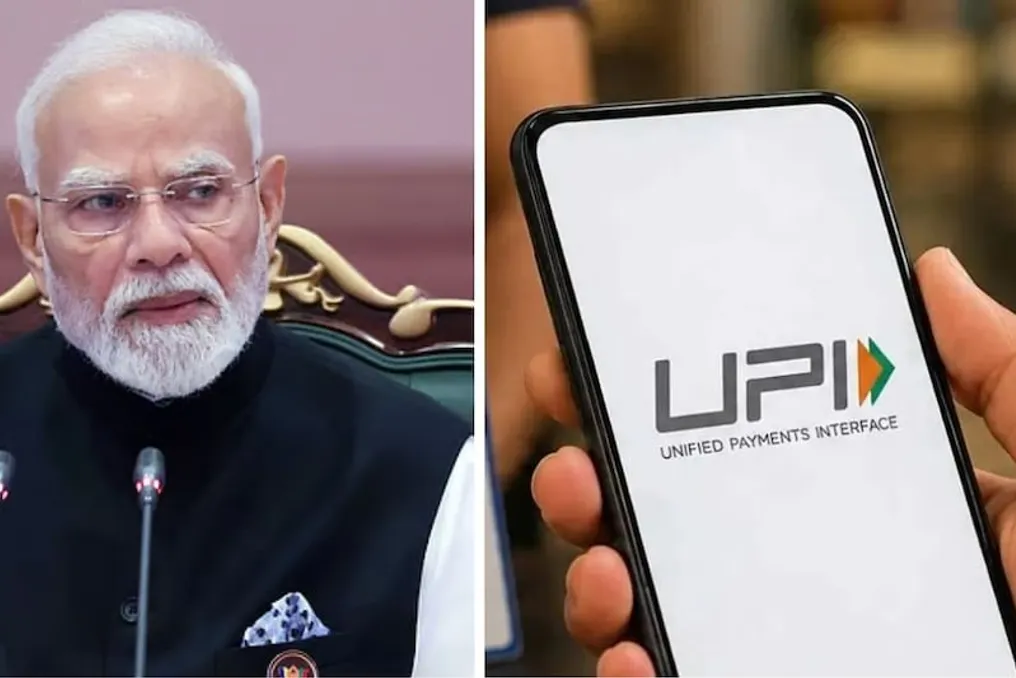
The central government issued clarifications regarding opposition accusations of foreign pressure in the decision to introduce a Merchant Discount Rate (MDR) for sellers within the UPI system. The Ministry of Finance emphasized that this decision was made solely at the domestic level and is not linked to any external influence. The goal of these policy decisions concerning UPI is to ensure the self-sufficiency, inclusivity, and accessibility of India's digital payment system.

The Ministry also assured the public that payments via UPI will remain free for ordinary consumers. A social media statement indicated that customers will not be charged a commission when sending money to friends or family, making purchases in stores, or scanning QR codes. According to the ministry, peer-to-peer transfers always remain free, regardless of the transaction amount.

Under the new scheme, starting October 15, an MDR rate of 0.4 percent will be applied to certain large seller transactions exceeding ₹2000. This charge will be borne by the merchant, not the customer. The maximum MDR limit per transaction is set at ₹300. The government stated that small entrepreneurs whose monthly income through UPI QR does not exceed ₹100,000 are exempt from any charges.

Payments to sellers amounting to less than ₹2000 will also retain their free status. The Ministry of Finance notes that over 95 percent of seller transactions are below ₹2000, so the new MDR system will not affect them. However, for essential services such as railways, fuel, telecommunications, bill payments, and insurance, a fixed charge of ₹5 will be imposed on transactions exceeding ₹2000. Furthermore, payments related to mutual funds and securities will be subject to an MDR of 0.02 percent with a maximum cap of ₹300.

The Ministry has directed banks not to pass on MDR costs to customers and has prohibited UPI applications from levying any additional platform fees.

The Ministry of Finance highlighted that UPI, launched in 2016, has become the world's largest real-time payment interaction system. In August 2026, 24.5 billion transactions were conducted via UPI. The government plans to use the resources generated from large seller transactions to strengthen the digital payment infrastructure and cybersecurity, making the UPI system more robust and resilient to new technologies. These funds will also be directed towards connecting small traders in Tier-3 to Tier-6 cities and rural areas, as well as raising awareness and promoting their use of UPI.

In response to this decision, the Congress party expressed doubts, arguing that it could give American card companies an advantage over UPI in competition. Rajya Sabha member Jairam Ramesh called it an attempt by Narendra to constantly appease Trump. He questioned why the 0.4 percent MDR rate was set and asked if it was related to the MDR applied to debit cards. Ramesh accused the government of abandoning the zero MDR policy for UPI under American pressure. To support his claims, he referenced previous criticism from the US Trade Representative (USTR) regarding UPI's free status.

Similar stories

NPCI changed UPI rules: new tariffs for some merchants will take effect from October 15
Read more
www.aajtak.in

NPCI changed UPI rules: new tariffs for some merchants will take effect from October 15

NPCI has introduced changes to the UPI rules. A new Merchant Discount Rate (MDR) structure will be implemented starting October 15 for transactions with selected merchants using UPI.

Under the new rules, a commission of 0.4% will be charged for payments exceeding 2000 rupees. Furthermore, the maximum fee for any transaction will be around 300 rupees.

For transactions amounting to 75000 rupees or more, the maximum MDR per transaction is also set at 300 rupees. However, customers will not pay any fees when making payments up to 2000 rupees.

Introduction of UPI Commission: Rules and Conditions That Will Not Affect Ordinary Users
Read more
www.aajtak.in

Introduction of UPI Commission: Rules and Conditions That Will Not Affect Ordinary Users

UPI has become an integral part of the daily lives of many people, assisting in purchases ranging from milk and vegetables to online shopping. Consequently, questions have arisen regarding the impact of the upcoming introduction of commissions on UPI. The government has decided to implement a Merchant Discount Rate (MDR) on UPI, which will come into effect on October 15, 2026.

The Department of Financial Services (DFS) of the Government of India and the National Payments Corporation of India (NPCI) have released a new MDR structure for payments made via UPI. The primary concern among the public is the potential increase in costs when conducting digital payments.

For ordinary users who use UPI to purchase daily necessities such as groceries, milk, vegetables, rations, taxis, or make online purchases, UPI will remain completely free, as before. Peer-to-Peer (P2P) transfers between friends or relatives remain absolutely free, regardless of the amount, whether it is 100 rupees or 100 thousand rupees.

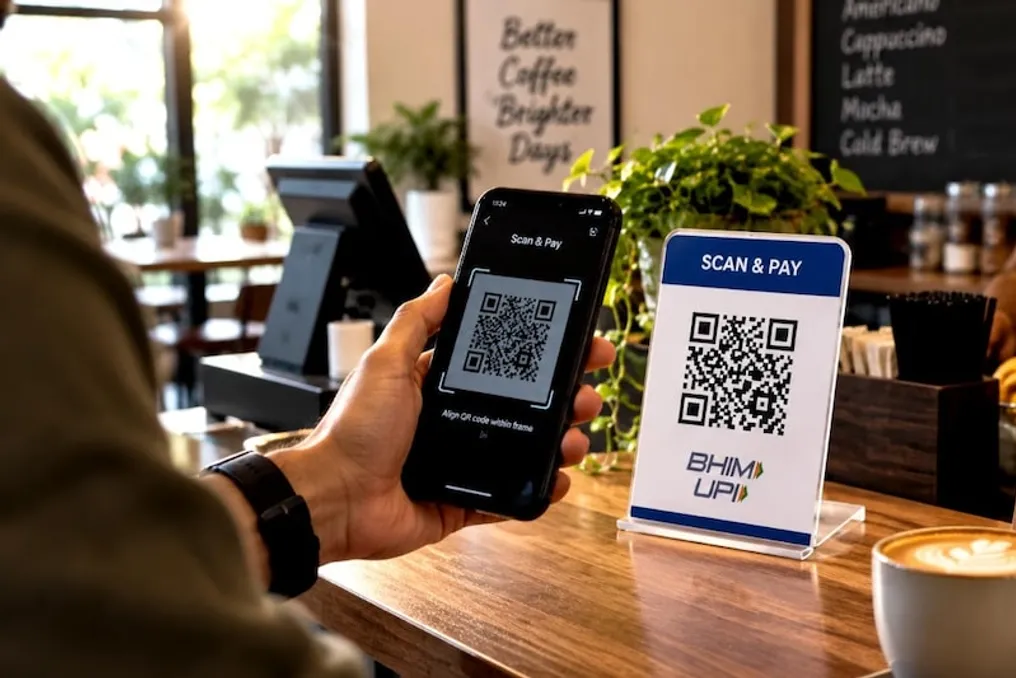
When paying in a store or on an online platform using a QR code scan or UPI ID, the customer will not be charged any additional fees. The government has given a clear directive that payment applications, such as Google Pay, PhonePe, Paytm, or BHIM, must not levy any hidden or paid charges on users for the platform.

MDR (Merchant Discount Rate) refers to a commission or fee that the merchant pays to banks and payment service providers (such as PhonePe, Paytm, Google Pay) for accepting digital payments. Previously, since January 2020, the MDR for UPI was completely zeroed out to stimulate digital payments. Now, however, the new rules stipulate its reintroduction.

For transactions up to 2000 rupees at any store or with a vendor, the MDR will be zero, meaning no charges for either the customer or the merchant. If the payment in a large store or mall exceeds 2000 rupees, the merchant will be charged an MDR of 0.4%. For example, for a transaction of 3000 rupees, the seller will pay approximately 12 rupees, and for a transaction of 5000 rupees, it will be 20 rupees.

A maximum MDR limit has been set for large enterprises: for payments of 75,000 rupees and above, the maximum charge is capped at 300 rupees, irrespective of whether the transaction is 100 thousand or 500 thousand rupees.

Small entrepreneurs, such as vegetable vendors, tea stall owners, small grocery stores, and taxi drivers, actively use QR codes. They have been provided with significant support. Small traders and sellers whose total volume of digital payments via QR code per month does not exceed 100,000 rupees have been assigned the P2PM category. For these sellers, the MDR will be completely zero (0%) for all transactions, even if they exceed 2000 rupees.

According to data, 96% or more of all merchant transactions via UPI in India are transactions of 2000 rupees or less. The government believes that over 95% of small and medium enterprises will remain outside the scope of this MDR charge.

For essential services such as train tickets, fuel stations, insurance, and telecommunications, a fixed MDR of 5 rupees has been established instead of a percentage charge. This means that if a user makes a payment via UPI exceeding 2000 rupees (for example, fueling a car for 2500 rupees or paying an insurance policy of 50,000 rupees), the merchant will only bear a fixed charge of 5 rupees. This specific rate stabilizes costs without passing on indirect burdens to consumers.

The government argues that the system processing billions of UPI transactions monthly requires enormous infrastructure. Round-the-clock server maintenance, protection against cyberattacks, and fraud prevention are costly processes. Banks and fintech companies have long demanded compensation for these expenses. These minor charges will strengthen the banking and fintech industry.

Five percent of the total collected MDR volume will be directed to a special development fund. This fund will be used to strengthen the network and infrastructure of digital payments in small towns and rural areas across the country. Although the government will not directly receive income from the introduction of the UPI commission, all revenue will be distributed among the digital payment ecosystem (banks, payment applications, and NPCI). Estimates from global brokerage firms Jefferies and Bernstein suggest that the introduction of MDR for large transactions will generate an annual revenue of approximately 500 billion rupees for the payments industry.

Central government bans banks from charging fees for UPI transactions up to 2000 rupees
Read more
www.aajtak.in

Central government bans banks from charging fees for UPI transactions up to 2000 rupees

The central government has issued a strict directive to banks and system providers prohibiting the charging of any fees for UPI transactions up to 2000 rupees.

According to the Ministry of Finance, this legal restriction was introduced in accordance with Section 10A of the Payment and Settlement Systems Act of 2007. This rule ensures that no direct or indirect charge will be levied on any person making or receiving payments using debit cards or UPI up to 2000 rupees.

This step has been taken to ensure the smooth functioning of the digital economy. Earlier in August, the government hinted at the possible introduction of a small Merchant Discount Rate (MDR) for certain UPI transactions by merchants exceeding the set limit. At the same time, the government assured the public that peer-to-peer payments would remain completely free.

The government emphasized that this change is part of broader efforts to ensure the sustainability, competitiveness, and support of India's growing digital economy. The Ministry of Finance firmly refuted reports claiming that external forces were behind the proposed changes, calling such statements unfounded, false, and misleading. The government clearly stated that strengthening the country's digital infrastructure remains its primary objective.

Popular