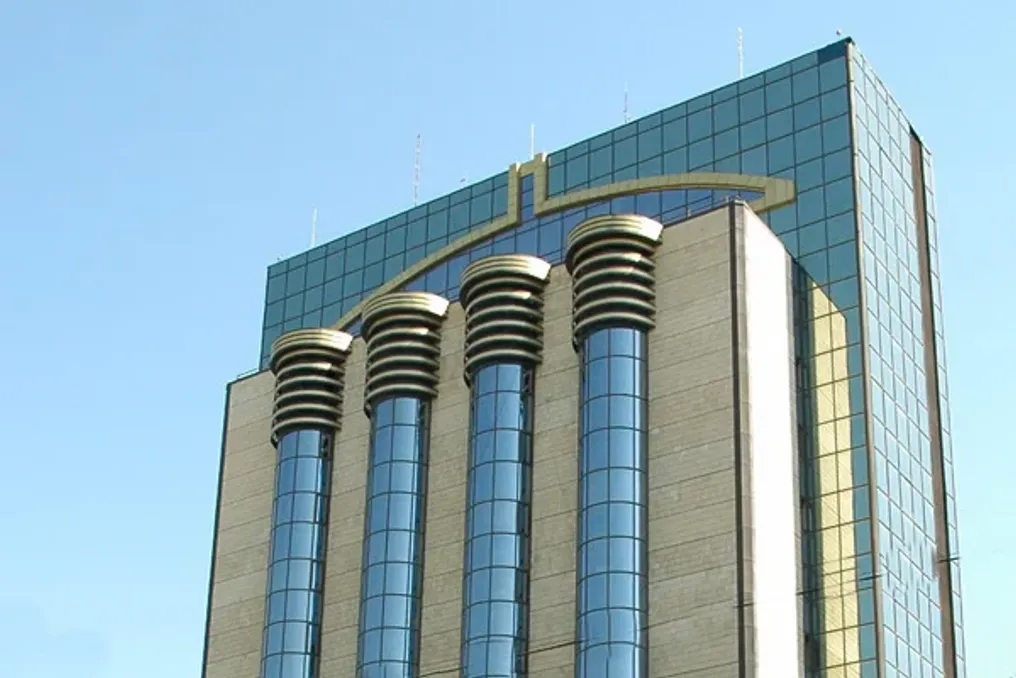
Central Bank of Uzbekistan Maintains Key Rate at 14%
Read more
UzDaily
uzdaily.uz

Central Bank of Uzbekistan Maintains Key Rate at 14%

The Council of the Central Bank of Uzbekistan, at a meeting held on September 16, 2026, decided to keep the key rate at 14% per annum. Despite the continued decline in inflation and signs of more balanced economic dynamics, the regulator noted persistent inflationary risks.

Annual inflation slowed to 6.2% in August, continuing the downward trend. Core inflation stood at about 5.5%. Nevertheless, the growth in the share of goods and services with annual price increases exceeding 5% indicates sustained price pressure.

Inflation expectations among the population and businesses also continued to decrease, but at a slower pace than overall inflation. According to the Central Bank, this suggests that inflation inertia continues to influence pricing processes.

Positive trends in retail trade, the service sector, and investments point to active consumer and investment demand. At the same time, signs of stabilization in some components of aggregate demand have appeared in recent months.

Under the influence of current monetary conditions, the growth rate of lending in the economy is gradually normalizing. A positive real interest rate also supports households' propensity to save.

External and Internal Inflation Factors

Among external risks, the Central Bank highlighted high global prices for raw materials, food, and energy, which could put pressure on domestic inflation through import, transportation, and logistics costs. However, the strengthening of the real effective exchange rate of the sum over the year, against the backdrop of weakening currencies of some major trading partners, helps reduce inflationary pressure via import prices.

The ongoing liberalization of regulated prices remains an internal factor of inflation that could amplify secondary inflationary effects through production costs and service prices.

The Central Bank deems it necessary to maintain tight monetary and credit conditions to prevent these risks from developing into sustainable inflationary processes, mitigating their secondary consequences, and further reducing inflation expectations.

The regulator will continue to monitor inflation, inflation expectations, domestic demand, and external economic conditions. Monetary conditions will be maintained at a level necessary to reduce inflation to the target of 5% by the end of 2027. The next meeting of the Central Bank Council to review the key rate is scheduled for October 28, 2026.
Similar stories

Central Bank of Uzbekistan tightens control over currency risks and asset quality requirements for banks
Read more
gazeta.uz

Central Bank of Uzbekistan tightens control over currency risks and asset quality requirements for banks

The Central Bank of Uzbekistan is introducing stricter requirements for financial institutions regarding currency risk management and reserve formation, as well as transitioning financial reporting to international standards. These changes were announced by Timur Ishmetov, Chairman of the Central Bank, in an interview with Financial Times.

According to Ishmetov, in light of growing external shocks, the economy is forced to change its strategy. He emphasized that uncertainty has become a new reality, which requires adjusting the regulator's policy.

The head of the Central Bank noted that the initial phase of reforms was aimed at eliminating internal problems, but subsequent events, such as the COVID-19 pandemic and new global crises, have changed the focus. If previously the main attention was on forecasting and protecting against potential risks, now the priority is increasing the overall resilience of the system.

Ishmetov stated that under current conditions, it is necessary to assume the constant occurrence of external risks rather than trying to predict the next source of threat, focusing instead on the economy's ability to cope with them.

The regulator considers the fight against inflation one of the most important tasks. However, he pointed out that external shocks related to global oil and food prices cannot be neutralized solely by monetary policy tools. Instead, issues of ensuring goods supply, finding alternative logistics routes, or stimulating domestic production must be addressed.

Nevertheless, price stability remains the Central Bank's main goal. The head of the regulator warned that implementing increased risks will require a reaction, but insisted on the need for caution and basing decisions on available data.

He also reported that if external shocks begin to significantly affect the economy of Uzbekistan, the Central Bank is ready to continue applying a tight monetary policy.

Regarding the stability of the banking sector, Ishmetov clarified that capital and liquidity requirements already comply with international norms. The next step will be the transition of all bank financial documentation to International Financial Reporting Standards (IFRS). This process may help identify issues related to the assessment of banks' asset quality.

The Central Bank plans to introduce stricter requirements for reserve formation, which will depend on asset quality. Furthermore, supervision over banks' currency risks is being strengthened, as a more open market entails higher risks.

In this regard, new regulations on currency risk management are being introduced, especially for banks with unhedged positions, and additional requirements are being added. The head of the regulator stressed the desire to find a balance between liberalization and preventing new risks through regulatory tightening.

Earlier, in the same interview, Ishmetov mentioned the preparation of a roadmap for the phased liberalization of capital operations, which is being done taking into account risks to the exchange rate and financial stability. Plans were also announced to complete the liberalization of remaining administratively regulated prices in Uzbekistan, including water tariffs and other utilities. Finally, he confirmed the full independence of the Central Bank in determining the key rate and exchange rate, noting the absence of pressure from the government.

Popular