Uzbekistan Tax Committee is Developing Transfer Pricing Administration System
Read more
UzDaily
uzdaily.uz

Uzbekistan Tax Committee is Developing Transfer Pricing Administration System

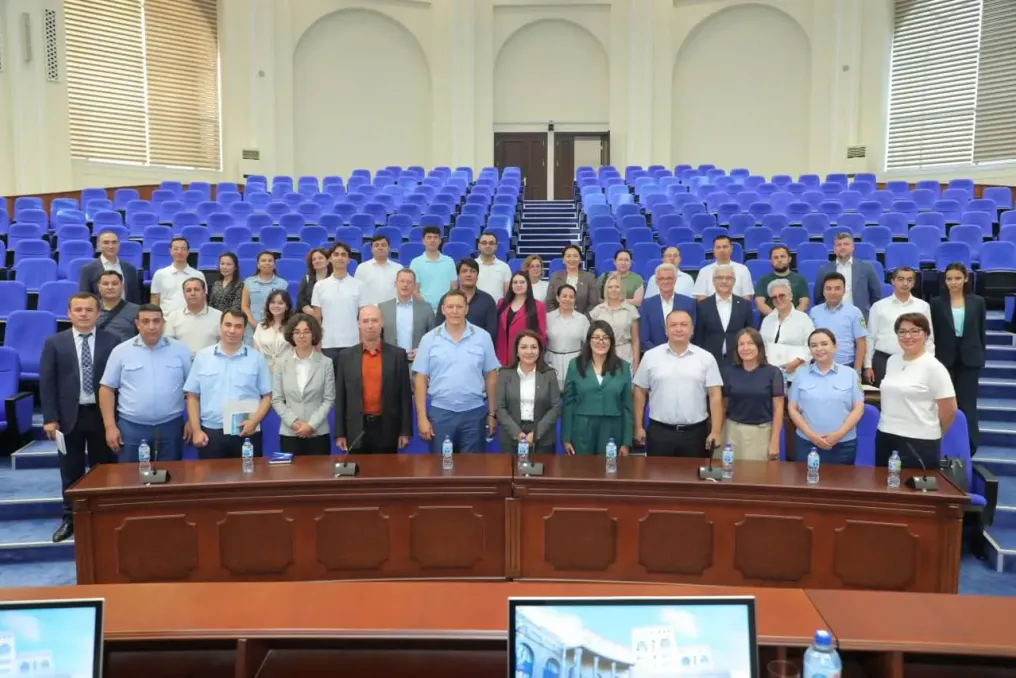
The Tax Committee of Uzbekistan intends to create its own transfer pricing administration system and implement advanced international practices. According to the Tax Committee, the International Monetary Fund (IMF) conducted an assessment of the committee's readiness for international taxation administration, including control over cross-border operations, in Tashkent.

This assessment was carried out using the FITAS methodology (Framework for International Tax Administration Strengthening), which the IMF uses to determine the level of maturity of tax authorities in different countries regarding international taxation.

Transfer pricing regulates the setting of prices in transactions between affiliated companies. The international standard here is the 'arm's length principle,' according to which the price of an intra-group transaction must correspond to the level that would be set between independent parties.

The Tax Committee has a specialized Department of International Taxation, which includes a dedicated unit for transfer pricing. The Tax Code provides rules for transfer pricing, controlled foreign company regimes, limitations on interest deductions, withholding taxes, and a general anti-avoidance rule.

Furthermore, Uzbekistan has concluded about 55 double taxation avoidance agreements. The Tax Committee noted that the practical application of transfer pricing tools is in its early stages.

As part of cooperation with the IMF, Uzbekistan plans to improve the qualifications of specialists, enhance transaction documentation, utilize international databases of comparable data, and develop a mechanism for Advance Pricing Agreements (APAs). The first transfer pricing audit conducted in Uzbekistan confirmed the significance of this area for the state budget.

The Tax Committee views cooperation with the IMF as one element of professional development for specialists and intends to continue integrating international standards of tax administration into national practice.

Similar stories

Uzbekistan Tax Committee Discussed Business Conditions for German Companies
Read more
uzdaily.uz

Uzbekistan Tax Committee Discussed Business Conditions for German Companies

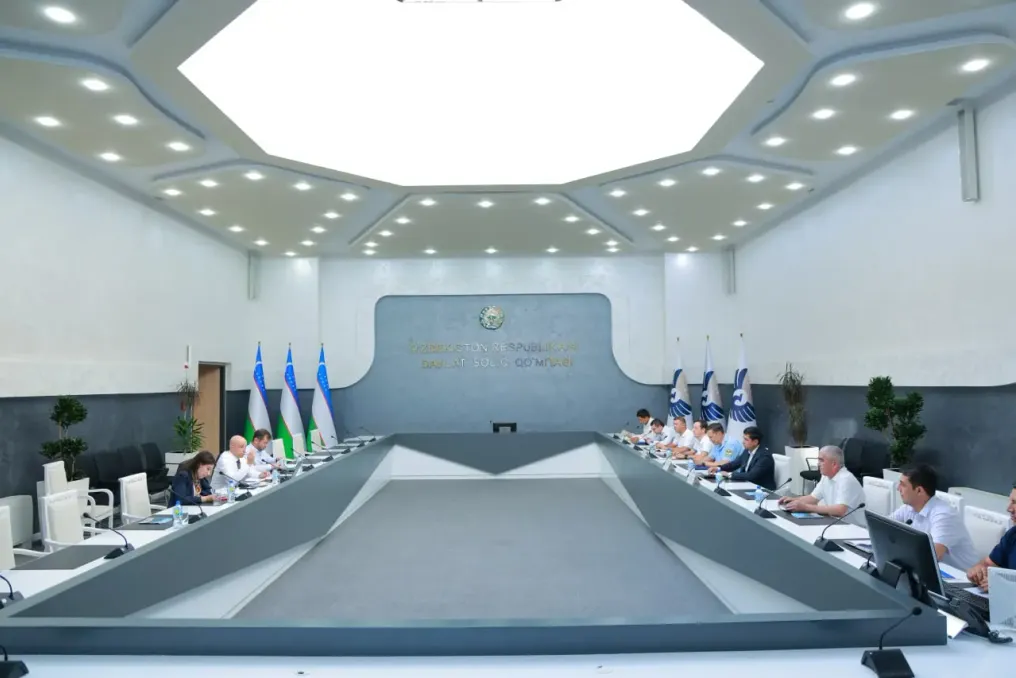
The Tax Committee of Uzbekistan held a meeting with representatives of German companies operating in the country to discuss tax administration issues, general business conditions, and ways to improve interaction with foreign investors, according to the committee's press service.

Currently, there are about 300 enterprises with German capital operating in Uzbekistan. This meeting was organized by the Association of German Businesses in Uzbekistan (VDWU), and leaders from relevant departments and divisions of the Tax Committee participated.

As of the end of the first seven months of 2026, enterprises with German participation employed 46,600 people. The number of employees increased by approximately 7% compared to the same period last year.

In the first eight months of the current year, companies with German participation paid over 5.1 trillion soums in taxes, which is an increase of approximately 8% compared to last year. The VAT refund volume amounted to about 219 billion soums, an increase of more than two-thirds. Meanwhile, the companies received tax benefits totaling over 1.3 trillion soums.

Discussion on Conditions for Foreign Investors

During the meeting, representatives of German businesses were provided with information on working conditions for foreign investors. The corporate income tax rate in Uzbekistan is 15%, and VAT is 12%. An agreement on the avoidance of double taxation has been in effect between the two countries since 1999.

The introduction of an automated VAT refund procedure for low-risk taxpayers is planned, which is scheduled to start on January 1, 2027. Furthermore, representatives of German firms were familiarized with the application of the simplified VAT payment procedure.

Special attention was paid to practical problems arising in business operations. Representatives of Papenburg Uzbekistan reported difficulties related to differences in information update times and synchronization between state bodies' information systems. According to them, this can sometimes lead to additional administrative costs.

Participants discussed further ways to improve interdepartmental information exchange and accelerate data transfer. It was noted that the development of digital tools for tax administration must maintain the ability for taxpayers to directly contact tax officials regarding issues requiring individual consideration.

German companies proposed creating a special fast communication channel through which responsible specialists of the Tax Committee could consult business representatives on practical matters. After the meeting, the parties agreed to regularly develop this format of interaction. The possibility of appointing a dedicated contact person for German investors to promptly resolve emerging issues is also being considered.

The Tax Committee noted that such meetings help identify real business problems and improve tax administration in line with the needs of foreign investors.

Uzbekistan proposes reforming liquefied gas supply system, including support for vulnerable groups
Read more
uzdaily.uz

Uzbekistan proposes reforming liquefied gas supply system, including support for vulnerable groups

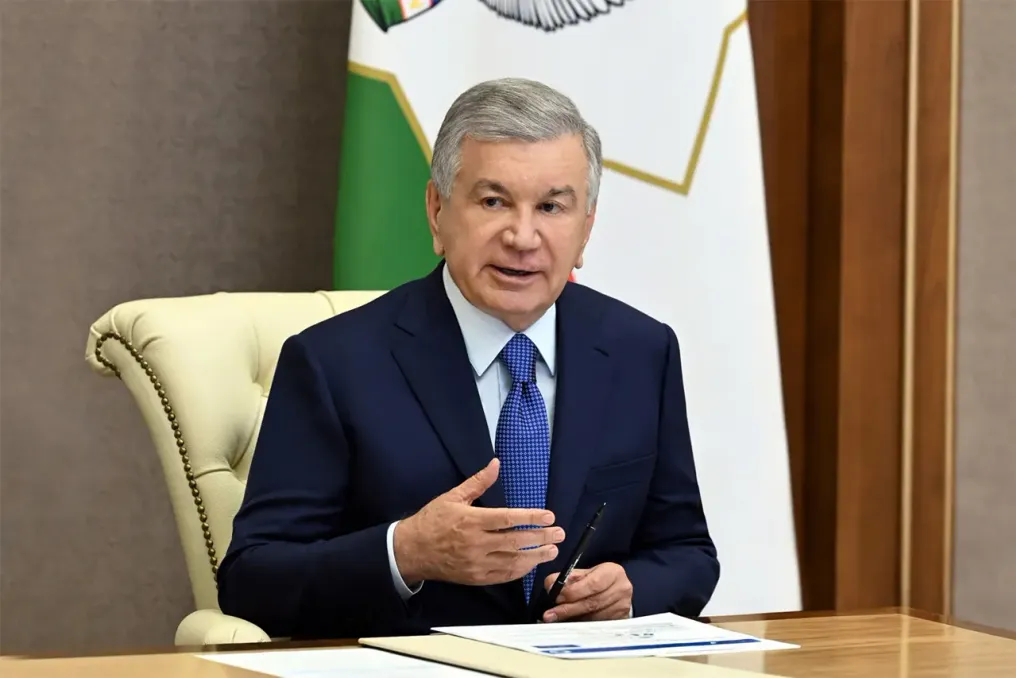
The President of Uzbekistan, Shavkat Mirziyoyev, reviewed proposals for the gradual modernization of the country's liquefied gas supply system. These proposals include creating a new structure for gas procurement and delivery, targeted compensation for socially vulnerable consumers, and increasing the participation of private companies, according to the Presidential Press Service.

Currently, liquefied gas is supplied to approximately 3.8 million consumers and nearly 2,000 social sector facilities. For 2026, the supply of 604,800 tons of liquefied gas is planned for households and social institutions.

The existing supply mechanism, covering resource distribution, pricing, and subsidies, was analyzed within the framework of the presentation. It was noted that in some areas, gas delivery occurs later than scheduled, forcing consumers to purchase additional volumes at market prices from gas stations.

According to the analysis, 22% of consumers receive liquefied gas with an interval exceeding 46 days. Due to such delays, some families effectively spend significantly more on gas than the established subsidized price.

Although households and social institutions currently receive gas at preferential rates, the gap between production, import, procurement, and delivery costs is widening, increasing the need for budgetary subsidies.

Support for Vulnerable Populations

The proposed reform involves establishing LPG-Trade LLC with Hududgaztaminot as a founder. This new structure will purchase liquefied gas through the exchange and organize its delivery to households according to approved procedures. The retail price will be determined using economically justified mechanisms.

It is planned that socially vulnerable groups will receive compensation for every kilogram of purchased liquefied gas. The reform should gradually shift state support from a general subsidy system to targeted assistance for individual consumers. This mechanism is expected to increase the efficiency of public spending and provide more focused support to needy families.

For social sector facilities, liquefied gas will be purchased at exchange prices, and the negative difference arising from selling gas to households at a regulated price will be covered by the state budget.

Another part of the proposals aims to expand the involvement of private business. A pilot project is planned with the involvement of private liquefied gas delivery operators in the Andijan region. Operators must possess the necessary licenses and permits and hire qualified specialists.

At least two operators are expected to participate in the pilot project, along with the introduction of a mobile application and online services for customers. Given the number of consumers and the distance between facilities, the construction of additional facilities in accordance with urban planning standards and fire safety requirements is envisaged. The possibility of extending this approach to other regions will be considered based on the results of the pilot project.

Mirziyoyev emphasized that the reform must be based on accurate calculations, taking into account convenience for the population and the principles of social justice. Responsible agencies have been instructed to ensure timely gas delivery according to schedule, digitize calculations, make distribution more transparent, and prevent artificial shortages and unjustified price increases. They were also tasked with guaranteeing the timely payment of compensation to socially vulnerable groups, adhering to safety requirements at gas stations and during transportation, and strengthening control over private operators.

The reform is expected to reduce liquefied gas delivery times, improve consumer service quality, and ensure more efficient use of budget funds. The presentation also included information on the implementation of additional directives from September 2nd regarding the construction of external infrastructure and a satellite city for the integrated nuclear power plant being built in the Jizzakh region.
Popular