South Africa Leads Africa in Wealth Status, Boasting 48,200 Millionaires and 10 Billionaires
Read more
IOL
iol.co.za

South Africa Leads Africa in Wealth Status, Boasting 48,200 Millionaires and 10 Billionaires

According to the Africa Wealth Report for 2026, South Africa is the wealthiest country on the continent. As of June 2026, the country is home to 48,200 high-net-worth individuals, 131 centimillionaires, and 10 billionaires.

This conclusion is drawn from the latest Africa Wealth Report 2026, prepared by New World Wealth. The report indicates that South Africa accounts for 38% of the total millionaires in Africa. Furthermore, the country has 131 centimillionaires and 10 billionaires.

The report places South Africa ahead of other continental countries in terms of the number of wealthy residents. It is noted that its millionaire population constitutes a significant share of the total in Africa. The report states: 'After two strong years, South Africa is now the wealthiest country in Africa with a noticeable advantage, having 48,200 HNWI residents as of June 2026, along with 131 centimillionaires and 10 billionaires. This means that SA now accounts for a substantial 38% of Africa's total millionaires and 36% of its billionaires.'

Globally, South Africa ranks 34th among the world's wealthiest countries by the number of millionaire residents, coming just behind Poland and surpassing major markets like Turkey and Thailand.

New World Wealth attributes this position to the country's diversified economy, developed financial sector, private healthcare system, and strong educational institutions. Additionally, the appeal of the lifestyle, including climate, beaches, natural environment, and elite residential complexes, continues to attract wealthy residents and retirees.

South Africa's financial markets are another factor highlighted in the report. The Johannesburg Stock Exchange (JSE) is described as the 17th largest stock exchange in the world by market capitalization, and the country has a developed fund management industry.

Richest Cities in South Africa

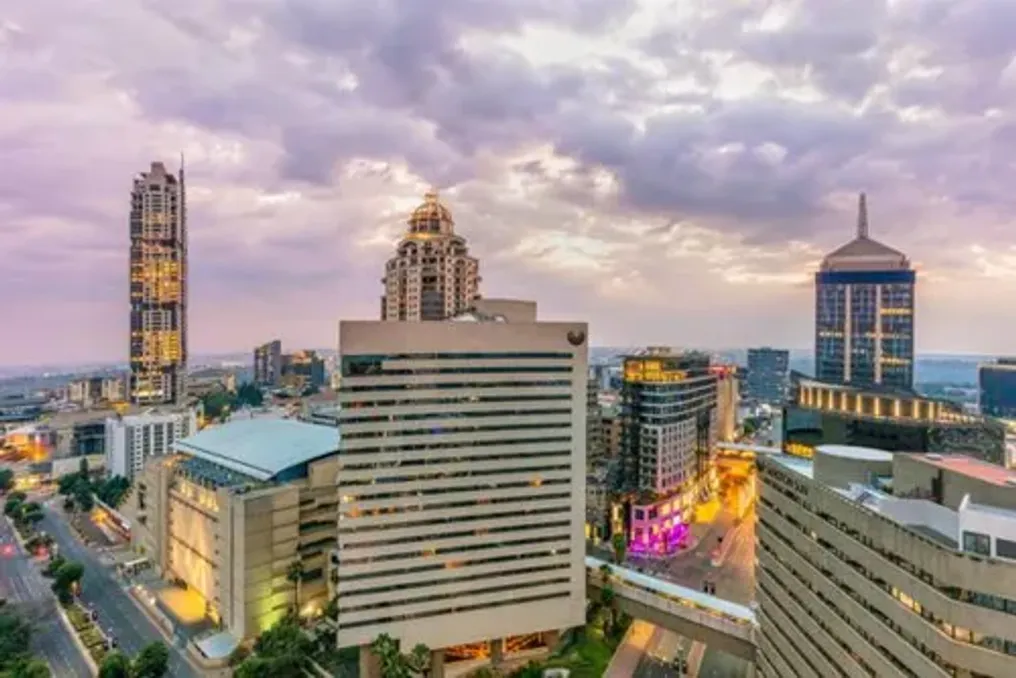
According to the report, Johannesburg remains the richest city in Africa. Much of the city's wealth is concentrated in Sandton, where numerous companies listed on the JSE Top 40 are located. The Waterfield-Midrand area is also recognized as a growing hub of wealth, housing several high-net-worth individuals in elite residential complexes.

Cape Town ranks second among the richest cities in Africa. The report indicates that the city's wealth has increased by 35% over the last decade.

Growing Wealth Areas

The report also highlighted several areas in South Africa that have shown significant wealth growth over the past decade. Cape Winelands, which includes Stellenbosch, Paarl, and Franschhoek, recorded a wealth increase of 55%. Garden Route showed a growth of 43%, covering settlements such as Plettenberg Bay, George, Knysna, Wilderness, and Mossel Bay.

Whale Coast, which includes Hermanus, Roe Els, and Betty's Bay, demonstrated a wealth growth of 63% over the past decade.
Similar stories

Johannesburg rises to 108th place in global quality of life ranking, but gap remains
Read more
iol.co.za

Johannesburg rises to 108th place in global quality of life ranking, but gap remains

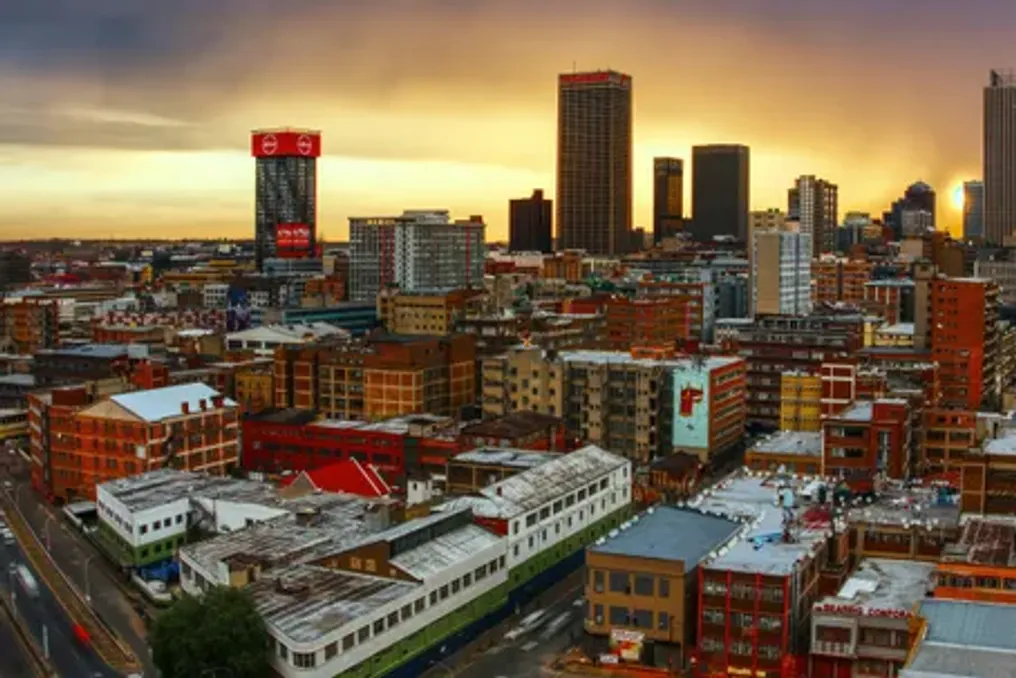
Johannesburg has improved its standing in the global ranking of most liveable cities for 2026, climbing to 108th place. This upward trend indicates a small positive step, although the overall picture remains challenging.

Despite the city surpassing its previous ranking, the gap between South Africa's commercial hub and global leaders like Copenhagen, which maintained first place, highlights ongoing issues with infrastructure and stability in local urban centers. The improvement allowed South Africa's economic hub to secure a higher position compared to last year, though Johannesburg is still far from the list of the world's most liveable cities.

The EIU Global Liveability Index for 2026, based on a survey conducted in May 2026, assesses 173 cities across more than 30 indicators. These indicators are grouped into five main categories: stability, healthcare, culture and environment, education, and infrastructure. The index measures the comfort of living in cities, with scores ranging from 1 (unacceptable) to 100 (ideal).

Copenhagen remains the world's most liveable city

Copenhagen, Denmark, holds the title of the world's most liveable city for the second consecutive year, scoring 100 points in three categories and over 95 in the remaining two. Vienna, Austria, took second place, and Melbourne, Australia, secured third.

The ten most liveable cities in 2026 include: Copenhagen (Denmark), Vienna (Austria), Melbourne (Australia), Sydney (Australia), Zurich (Switzerland), Geneva (Switzerland), Osaka (Japan), Adelaide (Australia), Vancouver (Canada), and Tokyo (Japan). Australia, Switzerland, and Japan each have two cities in the top 10, while Vancouver is the only North American city on the list. All ten cities received perfect scores in education, and most also achieved a score of 100 in healthcare.

Asia gains momentum as liveability metrics shift

Western Europe continues to be the strongest region in terms of quality of life, although the average score in 2026 stagnated. Meanwhile, Asia showed improvement: nine Asian cities are now in the top 20, compared to seven European cities. Healthcare became one of the main drivers of improvement globally, as the average healthcare score rose by 0.7 points, offsetting declines in stability and, to a lesser extent, culture and environment.

The average quality of life score across all 173 cities remained unchanged at 76.1 out of 100. Harare, Zimbabwe, ranked among the least liveable cities in 2026 according to the EIU Global Liveability Index.

The world's least liveable cities

At the opposite end of the ranking are cities affected by conflict, instability, and poverty. The ten least liveable cities in 2026 are: Tehran (Iran), Harare (Zimbabwe), Kyiv (Ukraine), Port Moresby (Papua New Guinea), Lagos (Nigeria), Algiers (Algeria), Karachi (Pakistan), Dhaka (Bangladesh), Tripoli (Libya), and Damascus (Syria).

Cities suffering from conflict, instability, weak public services, and economic difficulties occupy the bottom ten. Damascus remains at the bottom of the ranking, continuing its recovery after years of civil war. Tehran has become a new entrant in the bottom ten, and Kyiv has dropped even further in the index. Harare is the second lowest-ranked African city in the index, placing 165th out of 173 globally. Its overall score of 45 was particularly lowered by poor healthcare (33) and infrastructure (36), while education proved to be one of its strengths with a score of 67.

What does the 2026 index say?

Recent rankings demonstrate a growing shift in the global perception of quality of life. While established cities in wealthy countries continue to hold top positions, improvements in healthcare are helping several Asian cities climb the ranks. For Johannesburg, the rise of three places to 108th place represents a moderately positive outlook, although the city still has a significant journey ahead to join the world's most liveable urban centers. It should be noted that Cape Town and Durban were not included in the EIU Global Liveability Index this year, making Johannesburg the only city from South Africa included in the ranking.

Popular