How to make crumbly Motichoor Laddu at home from chickpea flour, like the Halwai does
Read more
Aaj Tak
www.aajtak.in

How to make crumbly Motichoor Laddu at home from chickpea flour, like the Halwai does

During Ganesh Utsav or any other festive occasion when it comes to offerings for Bappa, people first think of crumbly Motichoor Laddu, filled with ghee and sugar syrup. Often, people assume that making such small laddus is only possible for professional sweet sellers and requires special sieves or molds. However, this is not the case.

If you have regular chickpea flour at home, you can prepare moist, crumbly, and delicious Motichoor Laddu without unnecessary hassle or complexity. This homemade pure gift will please Bappa, and family members will praise it endlessly.

Ingredients:

The following components are required for preparation: 1 cup of chickpea flour, 3/4 cup of water (for the batter), 1 cup of sugar, 1/2 cup of water (for the syrup), 1/2 teaspoon of cardamom powder, a pinch of orange or yellow food coloring, 1 tablespoon of melon seeds, ghee or oil for frying, 1/2 teaspoon of lemon juice.

Method of Preparation:

First, take 1 cup of chickpea flour in a bowl. Gradually adding water, prepare a very thin and smooth batter without lumps. Then pour the batter onto a regular slotted spoon or grater. Gently tap the spoon on the pan; small drops of chickpea flour will fall into the oil. They need to be lightly fried for only 10-15 seconds until they are crispy but not overcooked.

In a separate pot, heat 1 cup of sugar and 1/2 cup of water. Add the food coloring, cardamom powder, and lemon juice. There is no need to cook the syrup to the first degree of thickness; it is enough for the sugar to dissolve and form a sticky syrup.

If your boondi turned out a bit large or uneven, after cooling, you can pulse them in a food processor for just 1-2 seconds. This will give them a texture similar to very fine, crumbly motichoor.

Now place this crumbly boondi into the hot syrup and simmer over low heat for about 2 minutes, until the boondi has completely absorbed the syrup. Turn off the heat, add the melon seeds, and cover for 10 minutes. When the mixture becomes slightly warm, shape the round Motichoor Laddus, greasing your hands with a little ghee.

Similar stories

In 2026, traditional sweets for Ganpati Chaturthi are offered with modern flavors, including butterscotch and kiwi.
Read more
www.aajtak.in

In 2026, traditional sweets for Ganpati Chaturthi are offered with modern flavors, including butterscotch and kiwi.

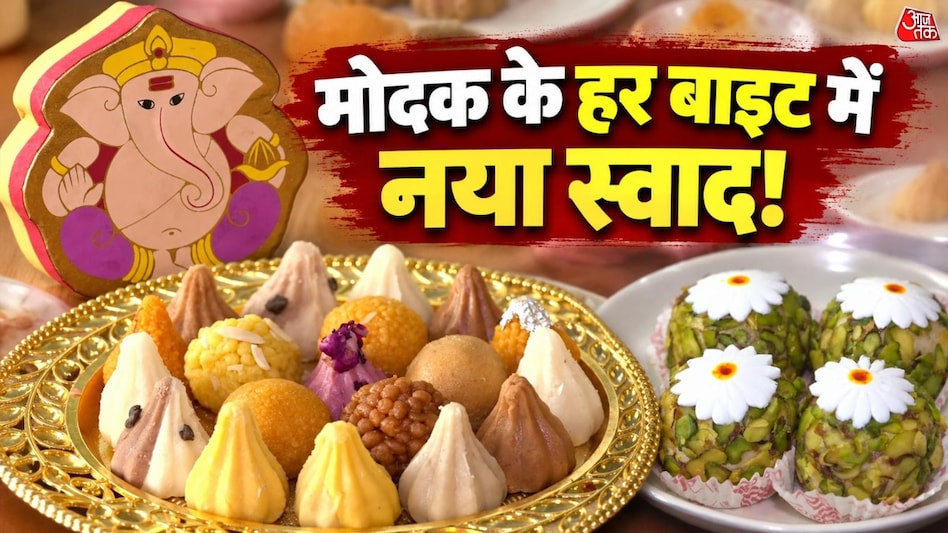
The Ganesh festival has begun, and in cities like Jaipur and Mumbai, preparations are actively underway for the Ganesh Chaturthi celebration. In addition to decorating and statues of the deity, special attention is paid to preparing favorite treats—modak and laddu—which this year are presented in a completely new format.

Modak is no longer exclusively a traditional dessert; options with new flavors are appearing on the market. One line features many diverse tastes, where each piece differs from the previous one. Among these special flavors, you can find mango cigar, matura peda, coconut, rose gulakand, tandai kesar, mawa, and motichur. Furthermore, traditional sweets have received a modern update through the addition of flavors such as Kanpur, kaju katli, Nutella with white chocolate filling, and Lotus Biscoff. Thus, one box can contain both local flavors and aromas favored by young people.

Experiments are also being observed in the world of laddu. Now, laddus are not limited to just boondi and besan. The market has introduced names and flavors such as Jest Full Bowls, Pista Malhar, almond, butterscotch rosher, kaju bemisaal, kaju rose fantasy, dates laddu, and kiwi-almond delight. Classic options are also preserved, including mung, besan, motichur, Bikaneri, Banarsi, milk, and gonda laddus.

The concept of including multiple flavors in one box has also become popular so that people do not get tired of the same taste. When purchasing a one-kilogram box, each piece can have its own unique flavor, creating a small surprise upon opening the package.

For the celebration of Ganesh Chaturthi, which is the deity's birthday, the focus has been on a special motichur laddu cake. This cake, decorated with almonds, roses, and pistachios, combines a traditional sweet with a new style of celebration.

How to make clean and delicious Mawa Modak from dry grain at home, avoiding expensive and fake sweets
Read more
www.aajtak.in

How to make clean and delicious Mawa Modak from dry grain at home, avoiding expensive and fake sweets

During the sacred festival of Ganesh Chaturthi, it is customary to offer worship to Lord Ganesha using modaks. However, during the festive season, there are concerns about impurities and adulterated mawa in the sweets sold in the market. Instead of buying expensive and counterfeit sweets to welcome Bappa, it is recommended to prepare crispy and aromatic Mawa Modaks from regular dry grain that you have at home.

Thanks to the outer shell made of high-quality coarse dry grain and the rich filling of mawa and nuts, the taste of these modaks becomes so delightful that they will win the hearts of everyone who receives them as prasad for Bappa.

For the outer shell: 1 cup of fine dry grain, 1.5 cups of milk, 1 tablespoon of ghee, 1/2 teaspoon of cardamom powder, 2 tablespoons of crushed sugar.

For the filling: 1/2 cup of mawa (khoya), 2 tablespoons of grated coconut, 2 tablespoons of cashew and almonds (finely chopped), 1 teaspoon of chirunji, a pinch of nutmeg and cardamom powder, 2–3 tablespoons of crushed sugar.

First, sauté the mawa in a pan over low heat for 2–3 minutes until light pink. Then add the chopped cashews, almonds, chirunji, grated coconut, nutmeg, and cardamom powder, after which turn off the gas. When the mixture cools slightly, add the crushed sugar and set aside.

In a pot, bring 1.5 cups of milk, 1 teaspoon of ghee, and 2 tablespoons of crushed sugar to a boil. Then reduce the heat and gradually, stirring constantly, add the dry grain to avoid lumps. Continue stirring until the grain has completely absorbed the milk and the mass starts to pull away from the sides of the pot. Turn off the gas and cover the dry grain with a lid for 5 minutes to steam well.

When the dry grain is slightly warm, knead it by hand for 2 minutes, lubricating your hands with a small amount of ghee, until it resembles dough. Lightly grease the modak molds with ghee. Place a small amount of the dry grain mixture on both sides of the mold and form an indentation in the center with a finger. Then, place the prepared mawa and nut filling into this central hollow, and cover it with a small amount of the dry grain mixture, sealing the mold from below. After removing the mold, you get a beautiful, clean, and delicious Suji Mawa Modak. Similarly, prepare all other modaks and offer them to Bappa.

Recipe for soft Kubcha in Daba style on a frying pan
Read more
www.aajtak.in

Recipe for soft Kubcha in Daba style on a frying pan

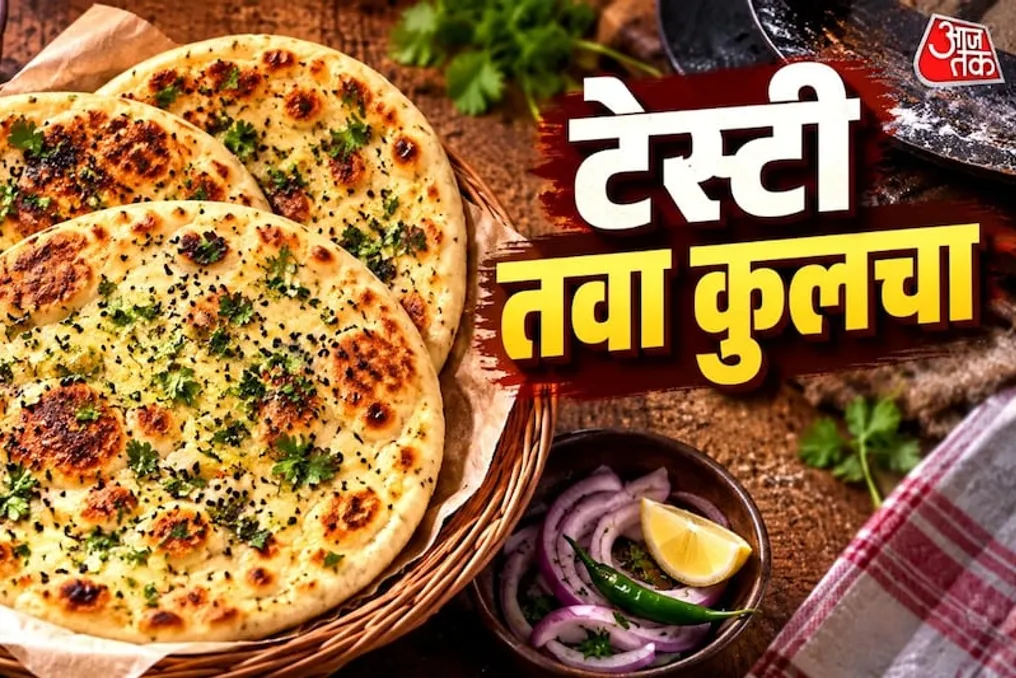
If you want to cook something new and delicious for breakfast or lunch, you can try Tawa Kubcha. Its preparation requires flour, milk, yeast, and some other common ingredients. This kubcha, cooked on a frying pan, turns out slightly golden on the outside and soft inside.

If you are tired of eating roti and paratha every day and want to cook something special in the Daba style at home, Tawa Kubcha can be the best option. It has a golden, crispy appearance and an incredibly soft, cotton-like texture, making it very tasty. People often think that soft and fluffy kubchas can only be made in a tandoor, but by using the right method, you can achieve a restaurant-quality result on a regular home frying pan. It can be served with Amritsari Chhole, Chana Masala, or any other favorite vegetable dish.

First, mix the yeast and sugar in warm water and let it stand for 5 to 10 minutes. When foam appears on the surface, it means the yeast is ready. Then, add the flour, warm milk, and salt to this mixture, thoroughly mixing all components. This dough needs to be kneaded for about 5 minutes, then covered and left for some time. After that, the dough needs to be kneaded again until it becomes soft and pliable. Initially, the dough may seem a bit sticky, but after thorough kneading, it will become soft.

When kneading the dough, stretch and spread it without applying excessive pressure. Then, apply a little oil to the dough and cover it with a cloth to rise. Leave the dough until it has doubled in size. When the dough has risen and doubled, gently press it to release the air and knead it for another 1-2 minutes. After that, place the dough in the refrigerator for a while to allow it to rise slowly.

Next, take a piece of dough the size of a tennis ball and flatten it slightly. Dusting it with dry flour, roll it into a thick round or oval shape. Heat the frying pan and place the kubcha on it. Cover it and cook over medium or low heat. When bubbles appear on the top surface of the kubcha, flip it over. Brush it with oil on top and fry on both sides until golden spots appear. After it is well cooked on both sides, serve it hot.

Tawa Kubcha can be served with chhole, chana masala, yogurt, or any other favorite vegetable appetizer.

Popular