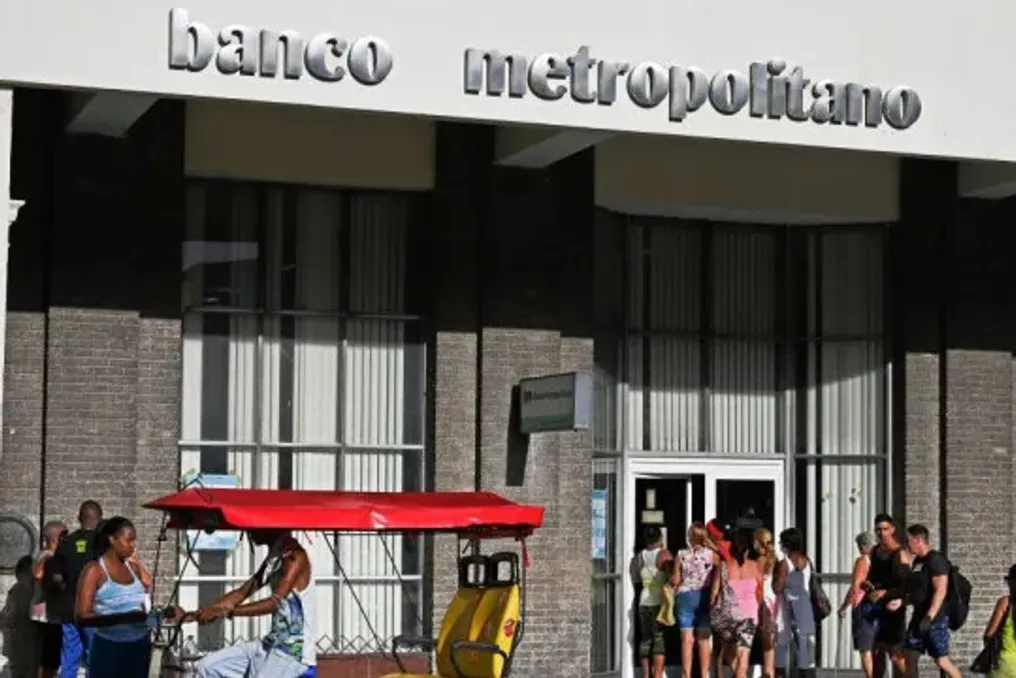
In an official televised broadcast, the president minister of the Central Bank of Cuba (BCC), Juana Lilia Delgado Portal, announced that the proposed changes aim to reestablish the fundamental role of banks in the economy. According to her, the banking sector must assume crucial functions, such as offering loans, simplifying receipt and payment processes, developing new services and products according to customer demands, and expanding both the access and quality of financial services.
The official detailed that the BCC organized these reforms into four major areas: opening and capitalization; credit, savings, and financing; innovation and new channels; and foreign exchange market and remittances. She emphasized that the objective is to establish secure mechanisms to direct financial flows that currently occur outside the banking system, which should strengthen the functionality and convertibility of the local currency.
For his part, the BCC vice-president, Alberto Quiñones Betancourt, stated that the transformations should lead to a financial and banking system characterized by agility and modernity. Regarding opening and capitalization, a more diversified and comprehensive system was projected, allowing for the inclusion of new actors, including financial institutions with capital from state, private, and foreign sources.
However, Delgado Portal warned that opening does not imply the absence of regulation. New participants must adhere to the rules defined by the BCC, presenting the necessary documentation and obtaining a license before operating, and subsequently being subject to oversight mechanisms.
Concerning the foreign exchange market, Quiñones highlighted the need for the country to have a safer, more efficient, and effective currency market, capable of ensuring that foreign currency resources are used more productively in the economy. Among the mentioned changes is the introduction of private exchange houses, one of which already operates in the city of Santa Clara.
These plans are part of a larger package of 176 economic and social reforms approved by the Government in June, whose purpose is to promote the decentralization and liberalization of the Cuban economy, which faces a deep crisis due to internal and external factors. Currently, about 88% of these reforms have legal backing, and it is expected that another 17 legislations will be approved in September, according to government sources.
Among the new laws planned is the Cuban Agricultural and Forestry Land Law, which establishes, for the first time, the principles governing land ownership, use, and enjoyment for an indefinite period, in addition to fostering greater openness to trade and investment, and allowing for the direct hiring of labor.
All this implementation occurs amidst a serious economic crisis affecting Cuba for six years, a situation that worsened since January with the start of the US oil embargo, accompanied by various sanctions aimed at forcing political and economic changes in the island. The crisis manifests through the scarcity of basic supplies such as food, medicine, and fuel, prolonged daily power outages, uncontrolled inflation, and an increase in dollarization.