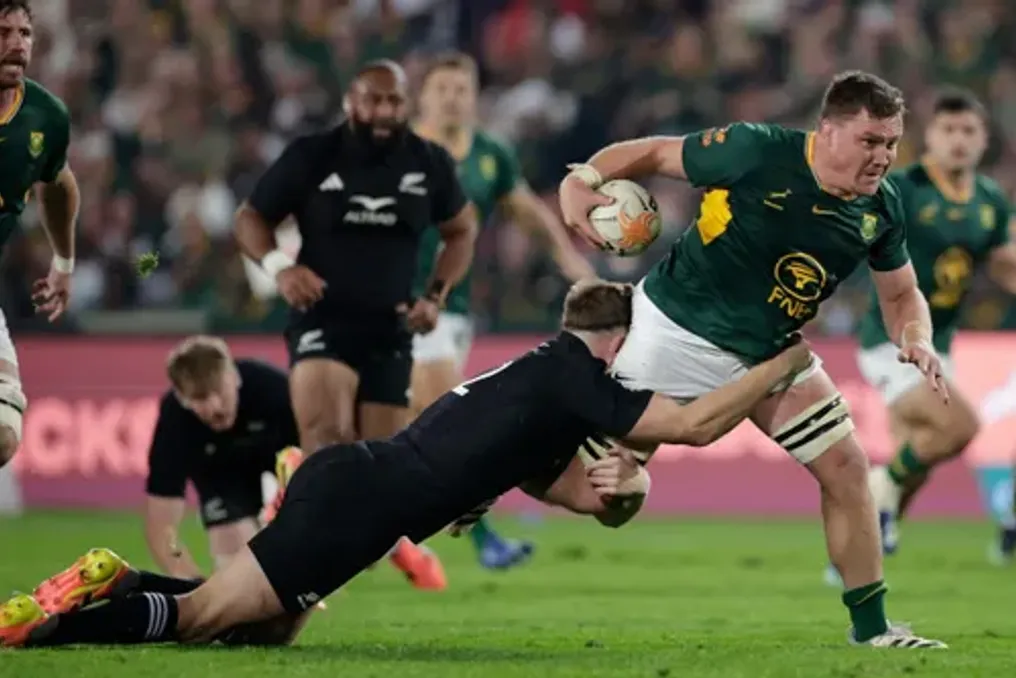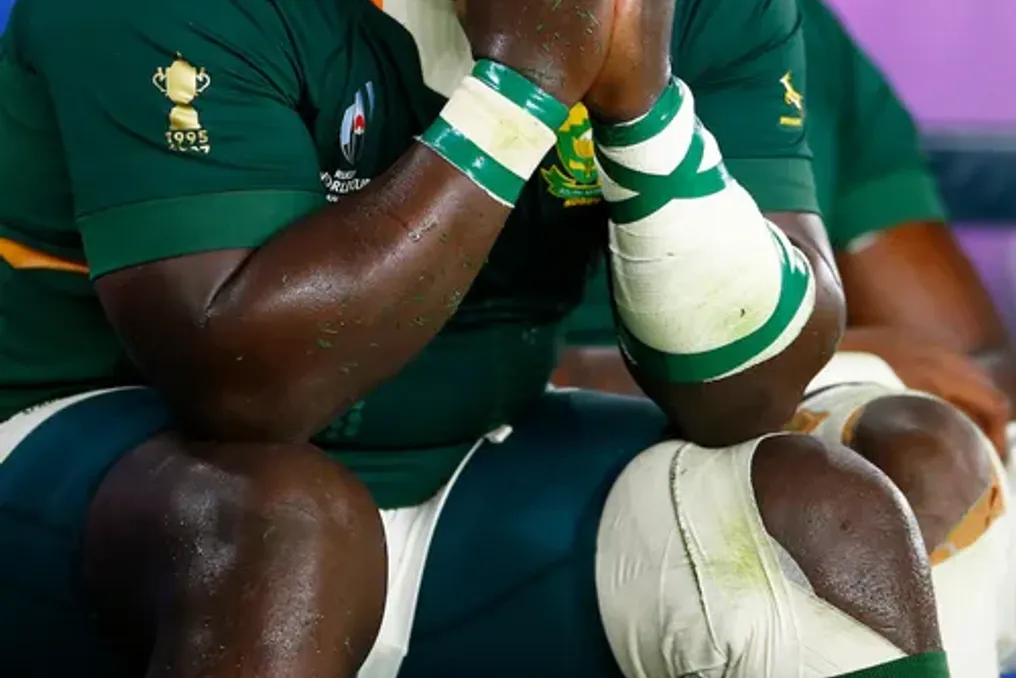
Trevor Nyakana, winner of the Springboks Rugby World Cup, is launching a new public initiative. When Trevor Nyakana, Bafana Bafana defender Grant Kekana, and Mamelodi Sundowns goalkeeper Reyad Pisterse step onto the field, they represent the pinnacle of South African athleticism.
However, off the field, these three men faced a quiet, heavy reality that millions of South African fathers know well: chronic fatigue, excess weight, and a growing fear that health issues are robbing them of time with their children.
According to the South African Heart Foundation, 31% of men in South Africa are overweight or suffer from obesity, significantly increasing the risk of hypertension, type 2 diabetes, and cardiovascular diseases. Nevertheless, issues of male health and weight remain deeply taboo subjects, rarely discussed at home, let alone in professional dressing rooms.
This silence was broken when Nyakana and Kekana became key figures in the Novo Nordisk Live Lighter campaign alongside current Sundowns player and former Bafana teammate Reyad Pisterse, as well as sports nutritionist Reabtedjo 'Rea' Mokoko.
For all three stars, participating in this wellness program was not a matter of sporting pride or meeting team weight standards; it was an uncomfortable admission that their long-term well-being was deteriorating.
Lifestyle
Grant Kekana of Mamelodi Sundowns openly spoke about his fatigue problems in some matches. In rugby, peak physical condition is considered a job requirement, but Nyakana reached a point where he had to separate on-field performance from long-term survival.
Nyakana noted: 'In rugby, you are forced to gain mass, but we want 'well-heavy'—the thinner, the better. For me, health is life after rugby. Will I be a healthier person after the game ends? It's knowing that once I finish, I can live longer for my daughter and wife.'
When consulting medical professionals when necessary, he added: 'We men don't like going through all these check-ups, but it is very important. It's all about being healthier so I know I can still chase her when my daughter wants to be mischievous.'
For Kekana, the turning point was when physical strain began to directly affect his daily life and performance, forcing him to confront a problem he didn't fully understand. He admitted: 'I felt very heavy. It felt like I was carrying a monkey on my back; I felt very tired. There were games where I hoped to make it through the first half. I never truly understood why I felt this way until I started asking questions. My ego was bruised, but then I realized it was time to start my health program.'
Pisterse also shared his experience: 'We were always in the overweight group, which used to be awful because, obviously, we had to train harder than anyone else, and we couldn't eat what we wanted. It was an awakening for me that I cannot subject my body to such a test.'
By publicly documenting their journey, Nyakana, Kekana, and Pisterse are changing the perception of what strength looks like for South African men. Under the guidance of Mokoko's practical approach, which focuses on gradual changes in diet, portion control, and regular medical check-ups without abandoning traditional foods, the players are challenging the culture of men avoiding medical issues.
Pisterse confessed: 'Now I feel good. I have the time and the right energy to spend with my children.'
Their message to fathers is simple and unsentimental: taking control of your weight and getting a medical check-up is not a sign of weakness, but a fundamental responsibility to the family waiting for you at home.