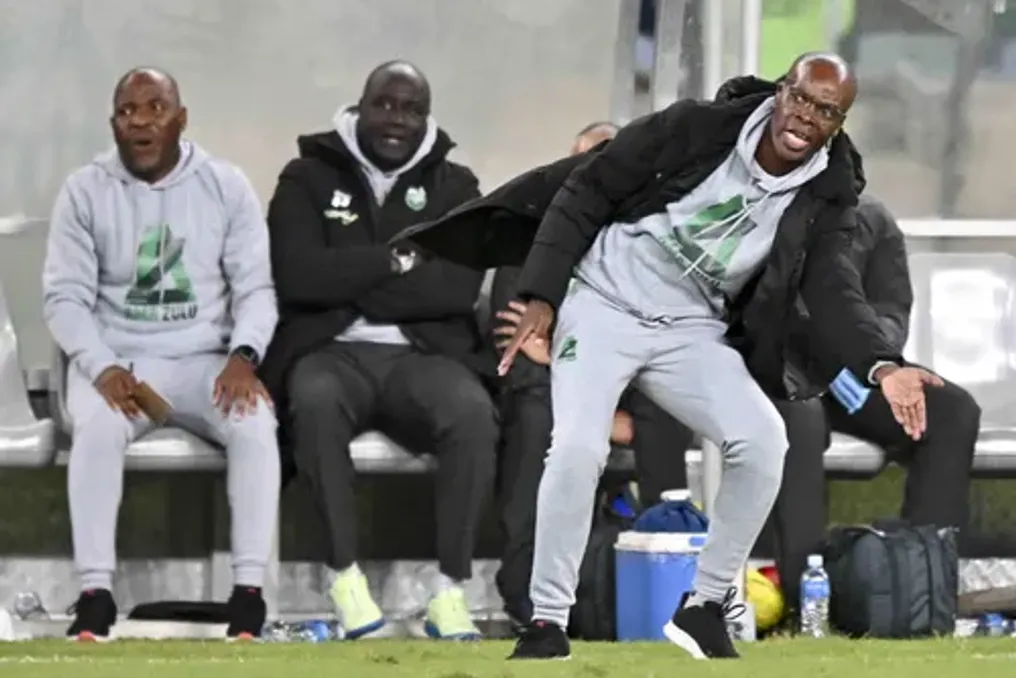
AmaZulu coach Arthur Zwane faces the challenge of maintaining the support of his staff as the opportunity arises to combine the duties of AmaZulu head coach and the coach of the South African youth national team (SA U23).
If Zwane does not create engaging content or receive rare praise, he diligently works and achieves results at AmaZulu, demonstrating his ability to balance both spheres. These successes have attracted attention, making Zwane one of the hardest-working and most respected coaches in the PSL top division. This recognition is well-deserved, considering the difficulties he overcame before getting the position at Usuthu.
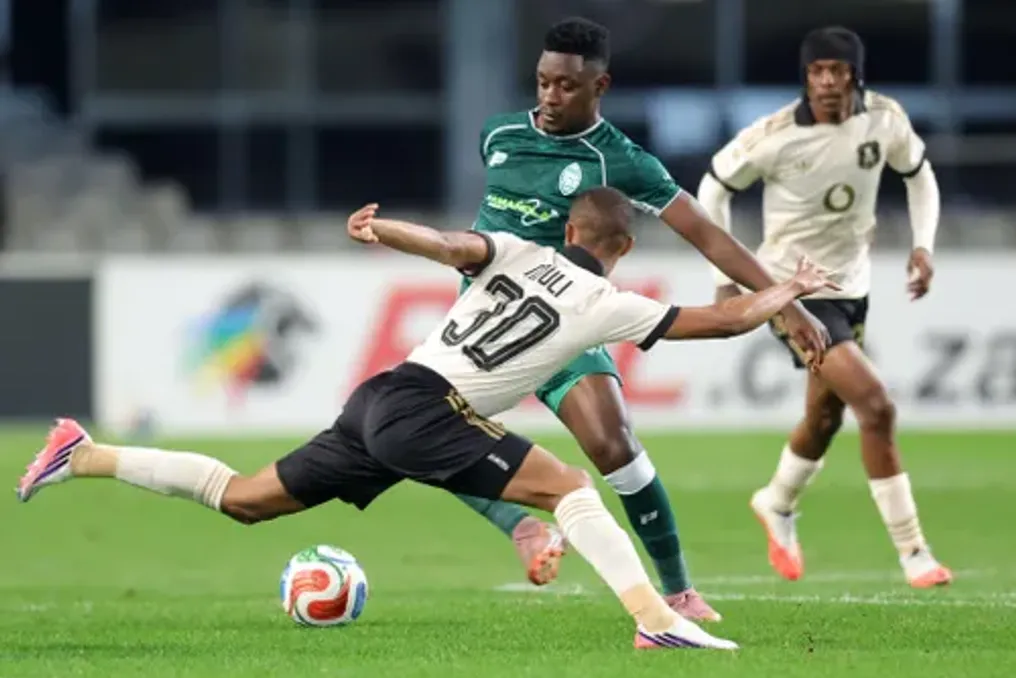
Sandile Zungu, the club president, is one of the league's most satisfied executives because he managed to retain Zwane during the pre-season, despite reports that Sekhukhune United and other clubs showed interest in him over the winter. However, the interest in Zwane is not waning; as he continues to deliver results for Usuthu, keeping the team among the leaders of the race, links to potential moves are becoming increasingly apparent.
Recently, there have been reports that the new Bafana Bafana head coach, Pitso Mosimane, is interested in bringing Zwane on as a second assistant. This comes after Mosimane added former Botswana national team coach Moreno Ramoreboli to his technical staff as the first assistant.
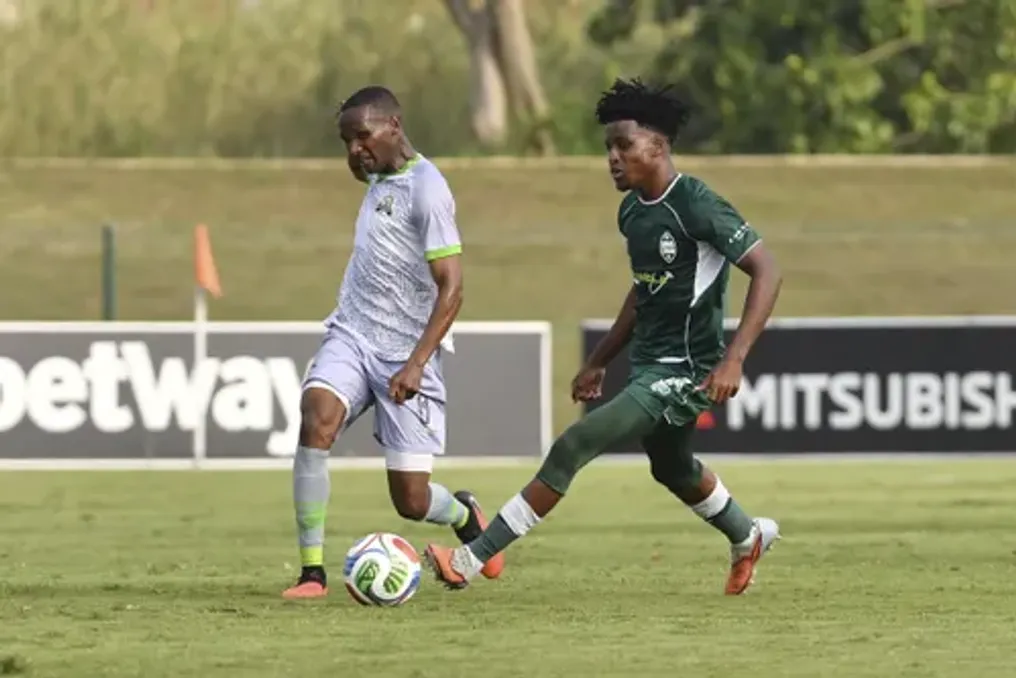
According to reports, Zwane's role within Bafana would be to lead the U23 youth structure, helping to bridge the gap between the youth structures and the senior national team. He is ideally suited for this role, as his career at AmaZulu has been marked by deep investment in young talent, and he has examples to prove it. Young forward Tandolwenkosi Ngenya is in excellent form in the Betway Premiership, being a key figure in Usuthu's attack this season.
Youth development is exactly how Zwane began his coaching career in the Kaizer Chiefs development structures, helping players like Nkosingifile Ngkobo, Siyabonge Ngenzana, and Bruce Bwuma transition into professional football. Working under Mosimane should also accelerate Zwane's growth. Mosimane did not become the Bafana head coach by chance; he possesses continental experience and a successful track record.
Other reports suggest that the Bafana assistant role would be performed on a dual basis, allowing Zwane to remain the head coach at AmaZulu. This seems like an ideal option, as it ensures the possibility of continuing to advance Usuthu in the current season. Mosimane is an influential figure, and his trusted assistants often reflect his mindset and tactical approach. This could be a double-edged sword: while adopting winning habits is invaluable, maintaining an independent point of view remains critically important.
Amidst all this excitement—returning to Bafana, learning from Mosimane, undertaking dual roles, and cementing his philosophy at AmaZulu—Zwane must remain true to himself and preserve the calm, hardworking identity that brought him here. He will face a completely different environment at Bafana compared to his previous period under Molefi Ntseki. Adaptability will be vital, but Zwane must remember that Usuthu is a completely separate project built on his own principles and values.
He must ensure that he maintains the full support of his players and staff. Given the tight turnaround between FIFA international breaks and the resumption of domestic matches, Zwane needs complete confidence that his technical team can function seamlessly in his absence. Ultimately, he must return after international duties ready to implement constructive improvements—building on what works and eliminating what doesn't. By doing so, he embodies the perfect combination of a student of the game and a confident leader. Football is constantly evolving, and learning never stops. Zwane will likely enjoy the challenge of balancing both roles—master and student—provided he maintains the equilibrium that made his work at AmaZulu outstanding.