Next Starship test flight from SpaceX scheduled for September 22
Read more
CGTN
cgtn.com

Next Starship test flight from SpaceX scheduled for September 22

The U.S. Federal Aviation Administration (FAA) announced on Monday that September 22 is the primary date set for the fourteenth test flight of SpaceX's giant Starship rocket.

According to the updated FAA operations plan, the launch is scheduled to take place from SpaceX's Starbase facility located in Texas, USA. A backup date of September 23 was provided.

Previously, SpaceX conducted the thirteenth test flight of its Starship system on July 24, during which important milestones were achieved. These included the first orbital deployment of next-generation Starlink V3 satellites and the successful testing of engine reignition in space.

Similar stories

SpaceX plans first Starship orbital test flight for September
Read more
olhardigital.com.br

SpaceX plans first Starship orbital test flight for September

SpaceX has scheduled its first attempt to place the Starship vehicle into Earth orbit for September 22nd. This launch will be the fourteenth test flight of the mega-rocket and is considered a crucial step in the system's development.

The event is scheduled to take place at the Starbase facility in South Texas, United States, within a 75-minute window, with a planned start time of 9:15 AM Brasília time. Although Starship has conducted 13 test flights since its launch in 2023, all of them followed suborbital trajectories.

This time, the mission aims to place the rocket's upper stage into orbit, marking the first flight with this objective. The complete vehicle stands 124 meters tall. As stated by SpaceX itself in the mission description, reaching orbit will allow the initiation of the next development phase to make Starship fully and rapidly reusable.

Orbital Mission Details

This flight will differ from previous tests because, if everything goes according to plan, the Ship will complete six laps around the planet, maintaining an approximate altitude of 275 kilometers. After this course, the spacecraft will execute a return maneuver and is expected to land in the Pacific Ocean, located west of Chile, about ten hours after liftoff.

In contrast, during past suborbital tests, the Ship remained airborne for about 65 minutes without completing a terrestrial lap before landing in the Indian Ocean, near the coast of Western Australia.

Despite the mission's ambition, it will not include capturing the upper stage using the mechanical arms installed on the Starbase launch tower, nor will it attempt to capture the Super Heavy booster. According to TechCrunch, Elon Musk abandoned previous plans to catch the Ship during this flight, as a potential explosion would represent a very significant setback for the vehicle's development at this time.

The Super Heavy is expected to land in the Gulf of Mexico approximately seven minutes after ignition, following a pattern already used in previous flights. The company implemented changes to both the hardware and software of the booster to correct flaws noted in the previous test. In the 13th test, conducted in July, the Super Heavy faced difficulties restarting its engines after the separation of the upper stage.

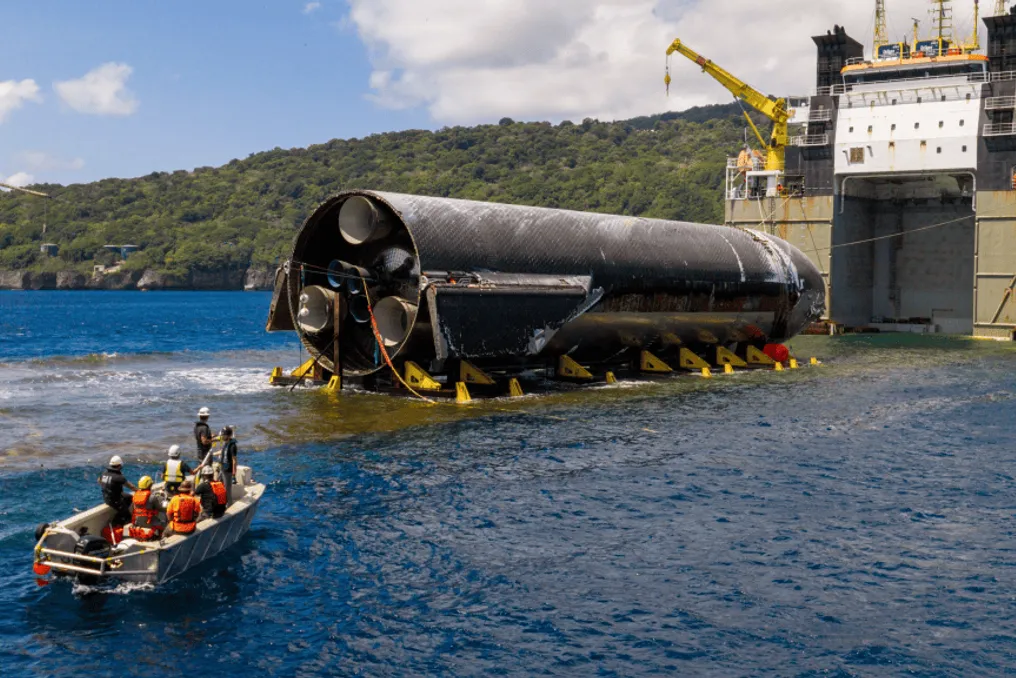
Additionally, SpaceX modified the Starship's heat shield based on lessons learned from analyzing the recovered upper stage after the 13th flight. On that occasion, the Ship completed a flight considered successful up to the simulated landing in the Indian Ocean; the upper stage fell into the water without exploding, allowing it to be recovered and transported back to Texas for inspection.

Strategic Importance of the Flight

The attempt to reach orbit is fundamental to SpaceX's goals of converting Starship into a high-frequency and fully reusable launch vehicle. The company has already invested billions of dollars in the program and plans to eventually replace the Falcon 9 and Falcon Heavy rockets with Starship, which should happen when the new vehicle can operate reliably several times a week, according to Musk.

However, to achieve this goal, Starship must not only reach orbit but also return to Earth and be reused quickly. The fourteenth flight will only serve to test the first part of this process. Other crucial phases will be reserved for subsequent flights, such as capturing the Ship with the tower and refueling the spacecraft in orbit, an essential capability for future trips to destinations like the Moon and Mars.
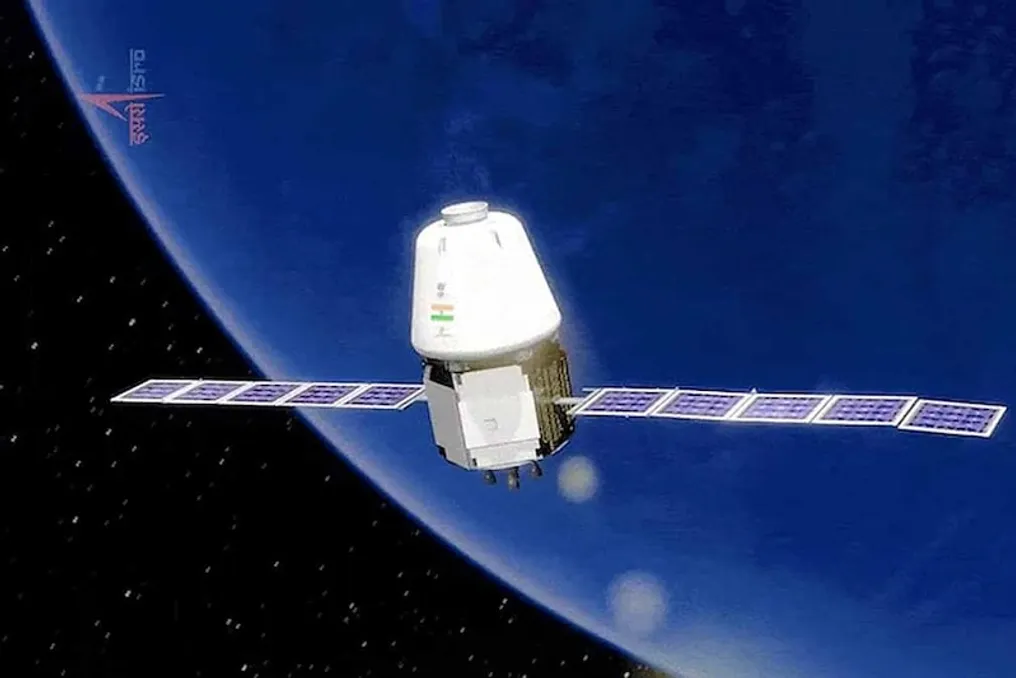
ISRO is preparing to launch the first unmanned mission for Gaganyaan this year
Read more
www.aajtak.in

ISRO is preparing to launch the first unmanned mission for Gaganyaan this year

ISRO is preparing to launch the first unmanned mission of the Gaganyaan mission this year. ISRO Chairman V. Narayanan informed on Friday at Sriharikota that work is progressing rapidly on this mission and no person will go into space. Narayanan stated this after the successful launch of GSLV-F17/EOS-05.

He also mentioned that several other companies and institutions are collaborating with ISRO in the preparations for Gaganyaan. Additionally, he informed that ISRO plans to conduct six more launches in this financial year, which includes the NVS-03 navigation satellite.

Gaganyaan is India's first such mission towards sending Indian astronauts into space. According to the plan, astronauts will be sent to an altitude of approximately 400 kilometers from Earth and then safely brought back. Before sending humans, ISRO will test the unmanned Gaganyaan in space. During this test, it will be observed whether the rocket flies correctly and if the crew module functions properly in space.

In the Gaganyaan mission, merely reaching space is not enough; bringing the astronauts back to Earth safely is equally important. Parachutes have been installed in the crew module for this purpose. These parachutes will slow down the module's speed so that it can land safely in the sea. ISRO has already conducted several tests of the parachute system, and all these essential systems will be tested together in the upcoming unmanned mission.

Many aspects, from the rocket's flight to the module's return to Earth, will be checked in the first unmanned mission. Scientists will observe whether all systems are functioning correctly during the launch. Furthermore, the entire process of module operation in space, re-entry into the Earth's atmosphere, and landing in the sea will be monitored. If any deficiencies are found during the tests, they can be rectified before sending humans.

The ISRO chairman stated that apart from Gaganyaan, a target of six more launches has been set for this financial year, including the NVS-03 navigation satellite. Narayanan also dismissed the speculations surrounding EOS-05, which was being called a 'spy satellite'. He clarified that EOS-05 is an Earth Observation Satellite whose function is to collect images and related information about the Earth, and its operational period is approximately 9 years. The goal is to launch the first unmanned mission of Gaganyaan this year, and after its success, ISRO will move forward towards sending humans into space.

Popular