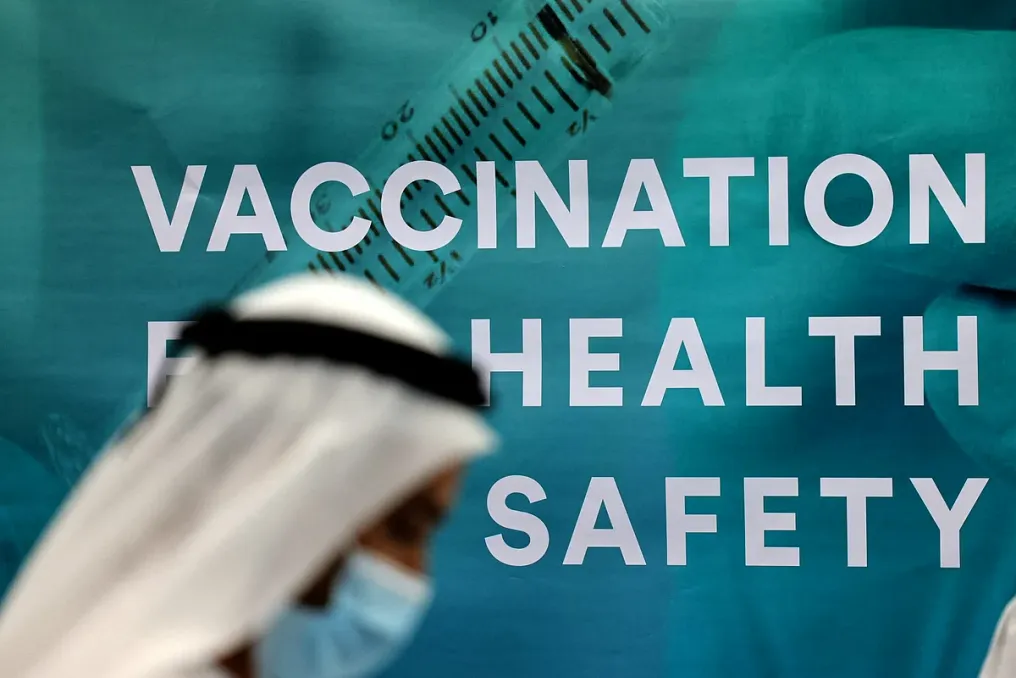
The UAE's annual flu campaign has been expanded this year to include a wider range of seasonal respiratory illnesses, moving beyond a focus solely on influenza.
The awareness campaign for flu and seasonal respiratory illnesses for 2026–27 now pays more attention to infections such as respiratory syncytial virus (RSV) and pneumonia, alongside seasonal flu.
The main change is the expansion of the campaign's scope. Instead of focusing predominantly on seasonal flu, health authorities are using this campaign to raise awareness about several respiratory diseases that become more common in cooler months.
The goal of this initiative is to help residents understand how various respiratory infections spread, who is most likely to develop complications, and what preventive measures are available.
According to health officials, the activity of respiratory illnesses in the UAE has remained similar to the previous two seasons. This means the expanded campaign is being launched not due to a sudden surge in respiratory infections, but as part of a broader preventive approach.
Officials noted that seasonal respiratory illnesses typically become more frequent from September to March, as several viruses may circulate simultaneously.
The campaign includes seasonal flu, RSV, and pneumonia. RSV is a common respiratory virus that can cause mild cold-like symptoms in many people, but it can lead to more serious illnesses in certain groups, especially infants and the elderly.
Health authorities have identified several groups that may be more vulnerable to complications from respiratory infections. These include young children, the elderly, pregnant women, people with chronic diseases, and immunocompromised individuals.
During a recent event organized by the UAE Ministry of Health and Prevention (MoHAP) in Dubai, various preventive options were presented. These include vaccination during pregnancy, monoclonal antibodies for infants, and RSV vaccines for eligible older adults.
Information was provided that maternal RSV vaccination can begin from the 28th week of pregnancy. For infants not protected through maternal vaccination, monoclonal antibodies can be used as an alternative prevention method.
Furthermore, health authorities emphasized the importance of simple daily measures to reduce the spread of respiratory infections. These measures include regular handwashing, covering the mouth and nose when coughing or sneezing, staying home when unwell, and frequently cleaning frequently touched surfaces.