A resident of Abu Dhabi will be able to take a train to Dubai in the morning and then transfer to the metro to continue their journey to any point in the emirate. The same journey can be made in the opposite direction in the evening, saving time spent traveling between the two emirates.
This daily route will become possible after the full integration of Etihad Rail—the planned high-speed railway between Abu Dhabi and Dubai—and the expanding Dubai Metro network.
The Dubai rail network plan for 2032, published by the Dubai Media Office in April, demonstrates how these systems are planned to be integrated. It includes Etihad Rail, the high-speed railway, as well as the Red, Green, Blue, and future Gold Metro lines.
Matar Al Tayyar, CEO and Chairman of the Executive Council of the Roads and Transport Authority (RTA) of Dubai, stated that the railway communication projects are being developed jointly. During a press conference dedicated to the RailX Dubai conference and exhibition, he noted: 'We are working with them on these projects, and our plans complement theirs.'
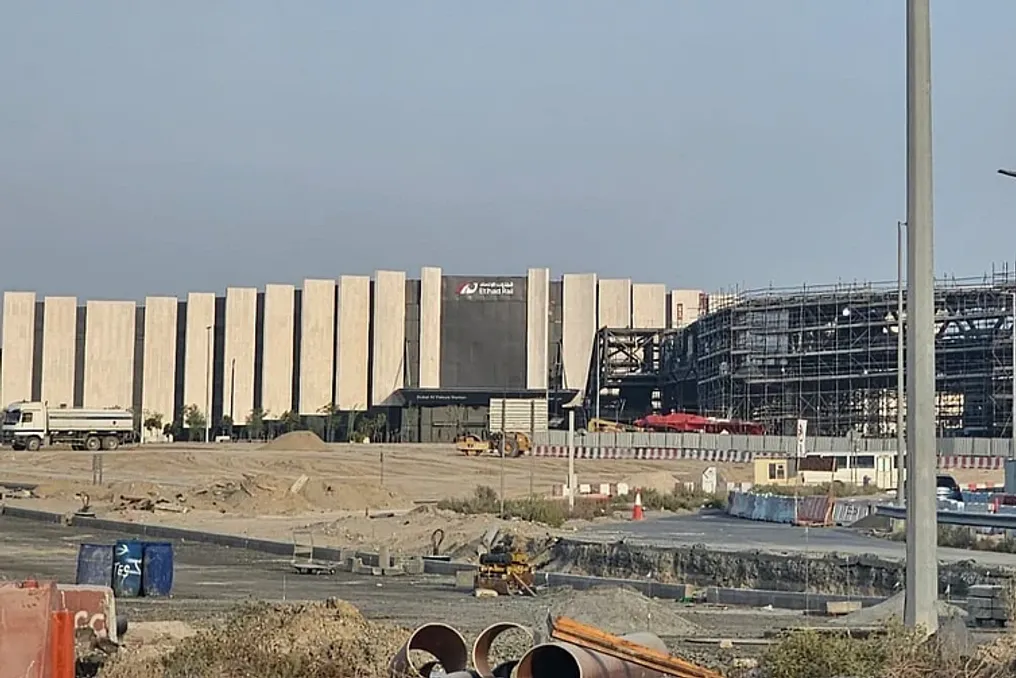
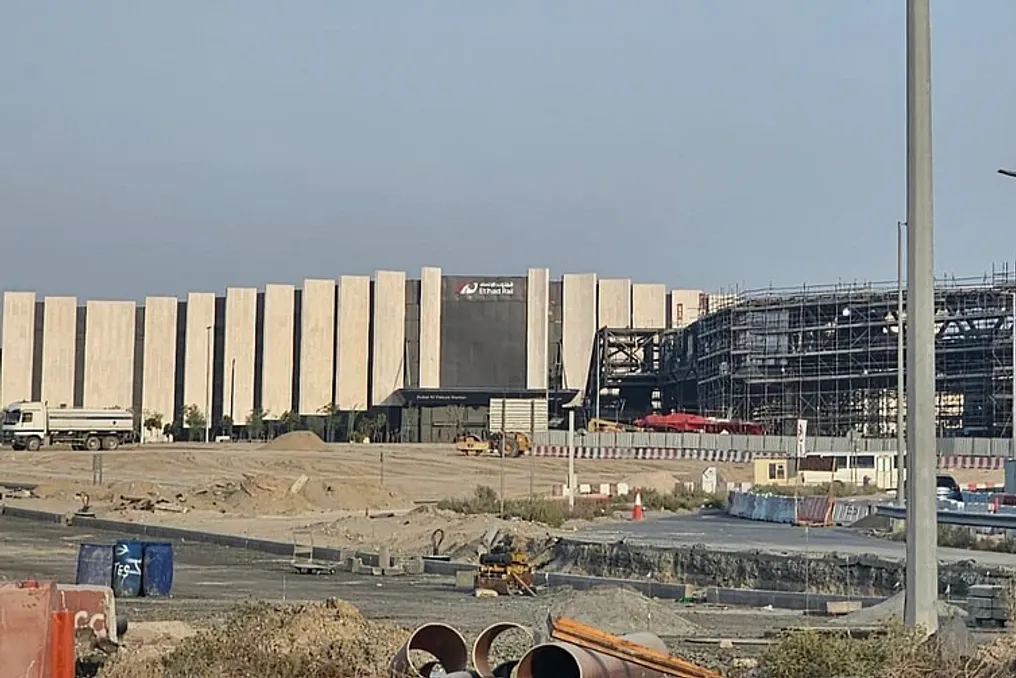
The Etihad Rail passenger network is expected to have two stations in Dubai. One is planned in the Al Yayali area, near the Jumeirah Golf Estates, and the map indicates Meydan as a future station for Etihad Rail passengers.
On the Jumeirah Golf Estates grounds, passengers will be able to transfer to the Dubai Metro's Red Line. From there, they can travel towards Dubai Marina, Internet City, Business Bay, Downtown Dubai, or Dubai International Airport.
Meydan station is shown as the connection point with the future Gold Line. According to the map, the Gold Line will also intersect with the Red Line in Business Bay and Jumeirah Golf Estates, and with the Green Line in Al Ghubaiba.
For someone living in Abu Dhabi and working in Business Bay, this could mean taking Etihad Rail to Dubai and then completing the journey by metro. A Dubai resident working in Abu Dhabi could make a similar trip in the opposite direction.
A separate high-speed railway is planned between Dubai and Abu Dhabi. Trains should reach speeds of up to 350 km/h, and the journey between the two cities will take about 30 minutes. Six stations have been announced for this route: Palm Island, Saadiyat Island, Yas Island, Zayed International Airport, Al Maktoum International Airport zone, and Al Jaddaf.
This service has the potential to simplify inter-emirate travel for thousands of people who currently rely on private cars. Office workers could live in one emirate and work in another, and students could attend universities without long daily car commutes.
Doctors, nurses, and other shift workers may also benefit, especially when traveling early in the morning or late at night. However, the total journey time will exceed 30 minutes once travel time to the station, waiting, and transfers are accounted for.
The railway will provide Dubai residents with another way to reach Zayed International Airport. Passengers can board a high-speed train in Al Jaddaf or near Al Maktoum International Airport and travel to the airport in Abu Dhabi by train.
Important information, including fares, operating hours, service frequency, and the final design of the interchange stations, has not yet been disclosed. The opening date of the high-speed railway has also not been confirmed.
Dubai's Blue Line is scheduled to open in 2029, while the Gold Line is expected to be completed by 2032.
When all networks begin to operate, the most significant change may not only be the faster train between Dubai and Abu Dhabi. It will be the ability to exit the train and continue to the office, university, airport, or home using Dubai's broader public transport network.